Why go
Cream puffs and cakes from a two-shop patisserie
Choux baked through the morning is the clearest way into this Narashino patisserie, and the case is arranged so that it is the first thing you see. The Keisei Ōkubo branch is the second of two shops under the Le Pâtissier Yokoyama name: the first opened in Yatsu in 2001, and this one followed on 20 October 2005, so the operation has stayed local rather than growing into a chain. The chef patissier who gives the shop its name was born in Tokyo in 1963 and trained at the Tsuji Culinary Institute before hotel pastry work at Hotel Okura, Hotel New Otani and Hotel New Otani Makuhari. He then won TV Tokyo's cake competition three years running, in 1998, 1999 and 2000.
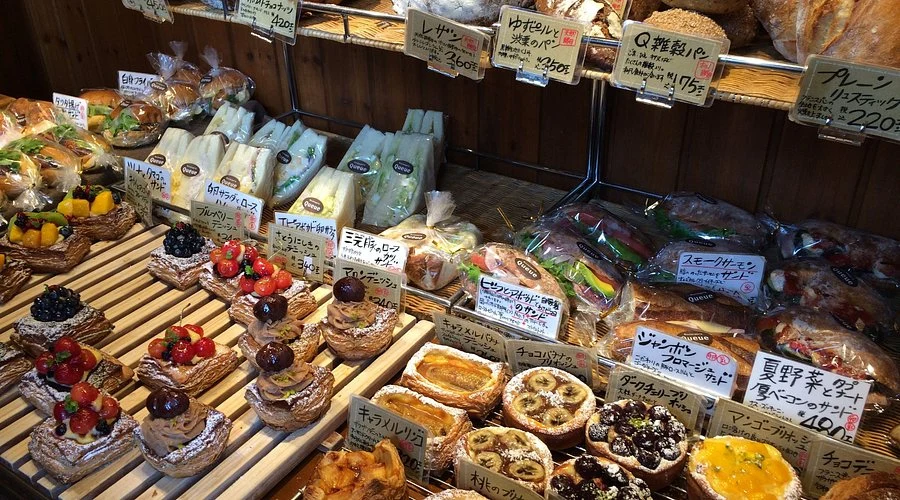
The display case is the main event
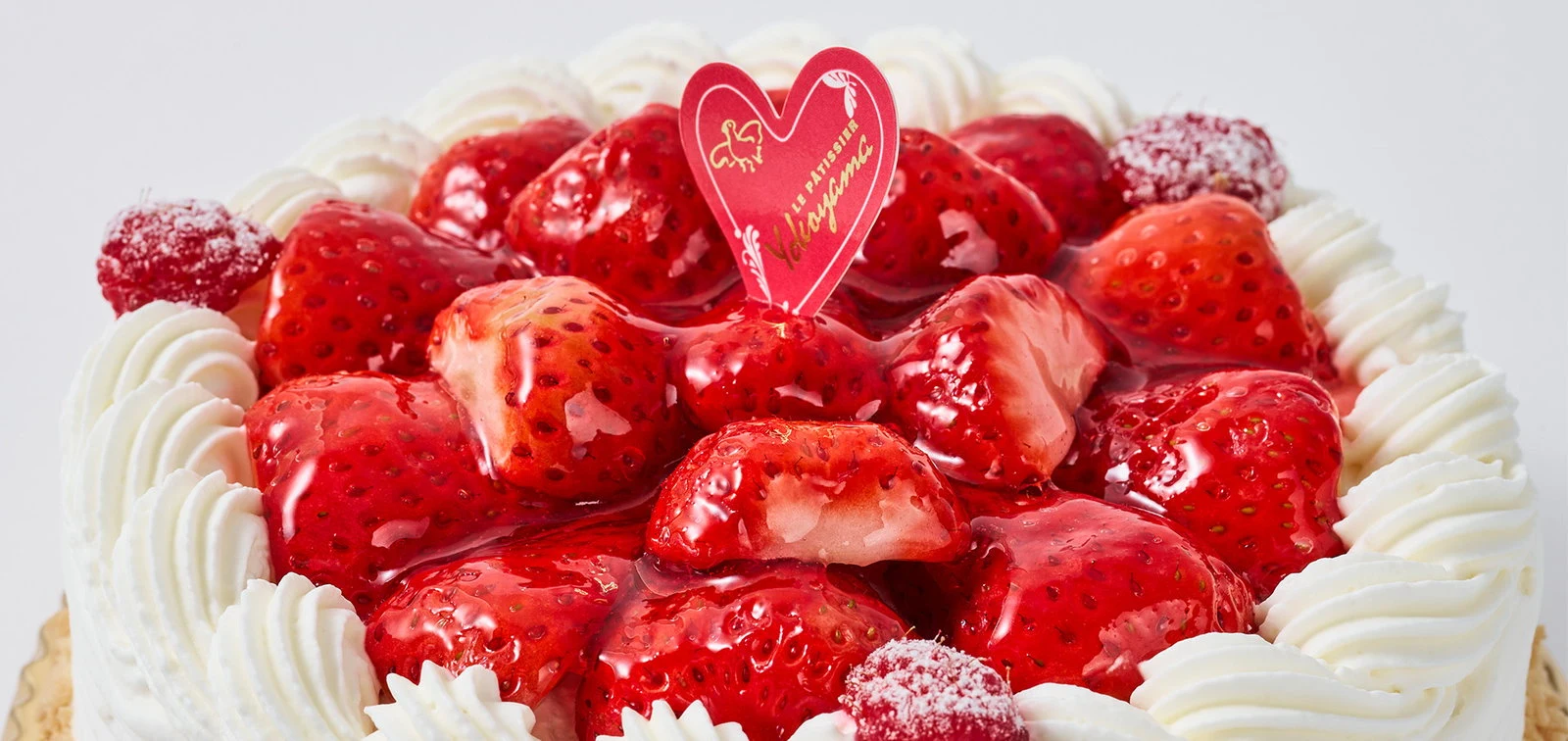
The identity is built on the immediate appeal of that case: cakes, cream puffs and tarts baked fresh each morning, with generous seasonal fruit and colourful finishing. The format is retail patisserie, so the work divides between same-day desserts, decoration cakes made for celebrations, and baked sweets and assortments meant to be given away. The seasonal rhythm is where the house style shows most clearly. Recent bakes have included blueberry pie and blueberry mille-feuille, café tiramisu, a melon boat for Father's Day, a caramel Basque cheesecake with Miyazaki mango, and a chocolate roll cake with strawberries. Those are classic Western and French forms adapted to Japanese gift culture and the calendar. The shop also sits at number 21 on the Tabelog 100 for 2023.
Order the cream puff first
Begin with a cream puff, because freshly baked choux is what the house puts at the centre of its own case and it is the item that shows the pastry work with the least decoration in the way. Move toward fruit next: a tart when you want a crisp base under whatever is in season, or a cake built around fresh fruit when the occasion is celebratory. If blueberries are in, the pie and the mille-feuille are the seasonal draws. For richer choices, the café tiramisu and the caramel Basque cheesecake with Miyazaki mango show how coffee, cheese, caramel and fruit get folded into familiar patisserie formats. For sharing, the chocolate roll cake with strawberries is the straightforward move, while decoration cakes cover birthdays and family gatherings.
Frequently asked questions
What should I order at Le Pâtissier Yokoyama?
Start with a cream puff, since the house bakes its choux fresh each morning and puts it at the centre of the case. Follow it with a seasonal fruit tart, or with the blueberry mille-feuille when blueberries are in. The café tiramisu and the caramel Basque cheesecake with Miyazaki mango are the richer choices.
What is the pastry style here?
Classic Western and French forms, adapted to Japanese gift culture and to the calendar. The chef trained at the Tsuji Culinary Institute and worked in hotel pastry kitchens before opening in Narashino, and that background shows in the fruit tarts, the roll cakes and the decoration cakes made for celebrations.
Compare nearby places
| Venue | Type | Area |
|---|---|---|
| Le Patissier Yokoyama Yatsu ten | Bakery | Yatsu |
| patisserie SATSUKI | Bakery | Kaihimmakuhari / Mihama-ku |
| Boulangerie Queue | Bakery | Tsuboi Higashi |
| Sakuma Ice Cream Kobo | Café | Takifudo |
| patissier Hiro Yamamoto | Bakery | Edogawa / Shinozaki |