Why go
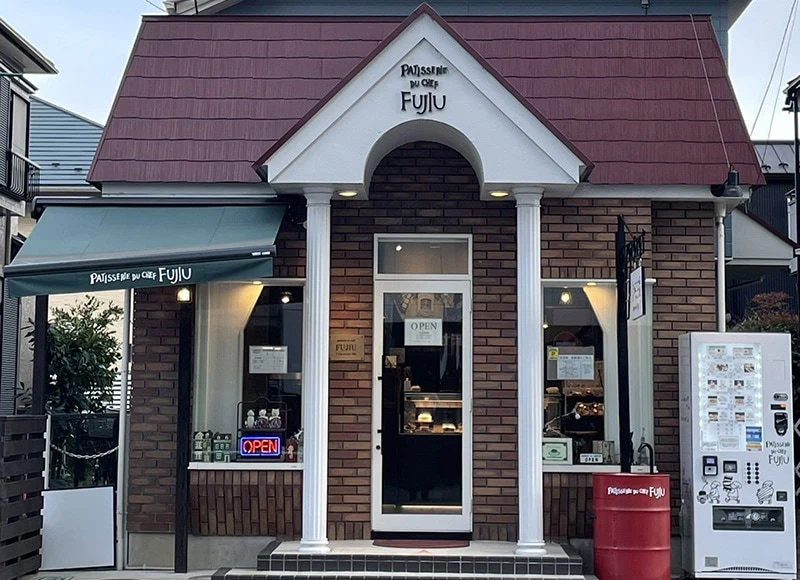
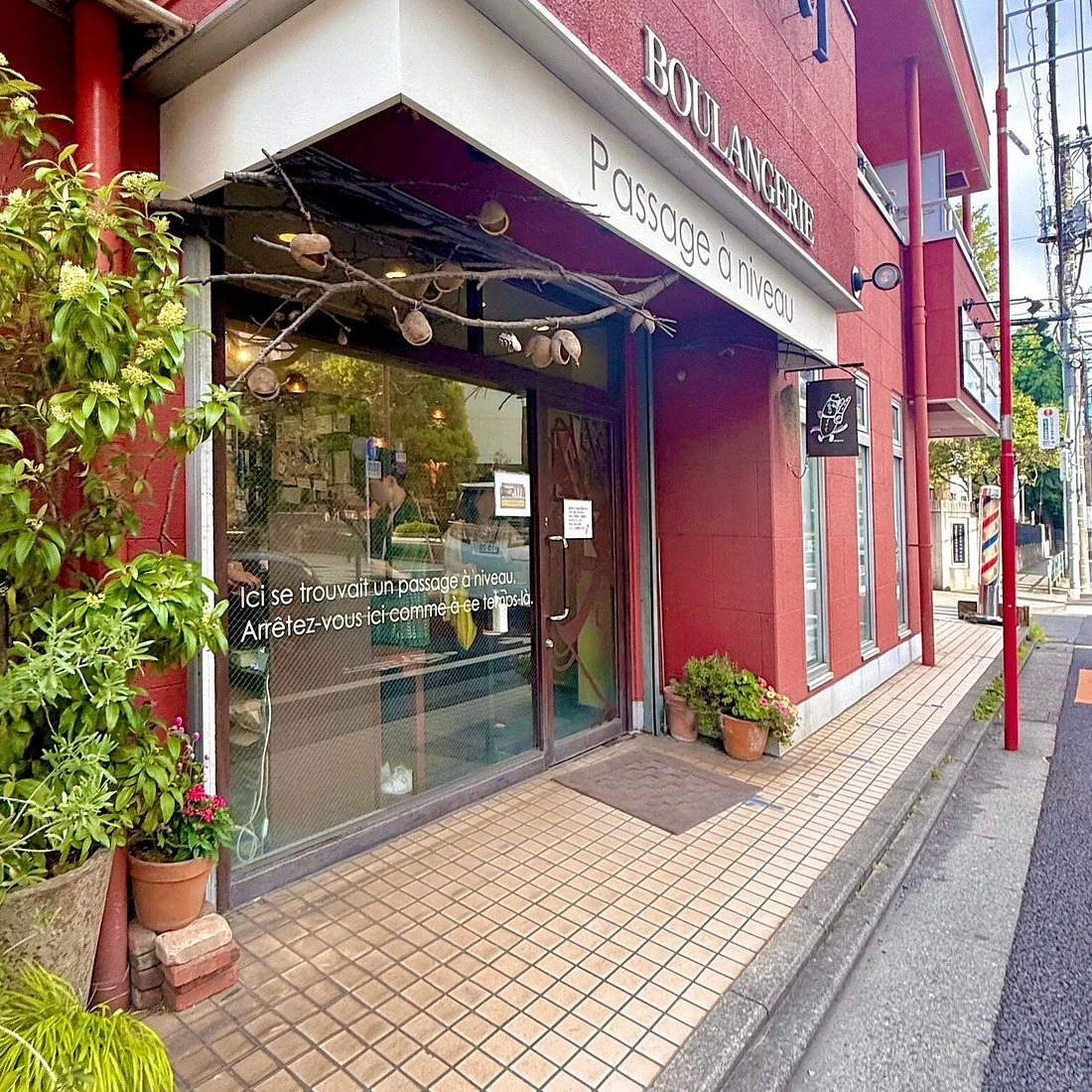
Approaching a serious Tokyo bakery is often less about spectacle than compression: a narrow frontage, a short queue, trays moving quickly, and a room designed for choosing rather than settling in. In Hachioji, that physical economy matters. Boule Beurre Boulangerie works in the compact take-out register that defines many of the city’s better bread shops, where the interior is not a dining room but a high-pressure display case for timing, variety, and restraint.
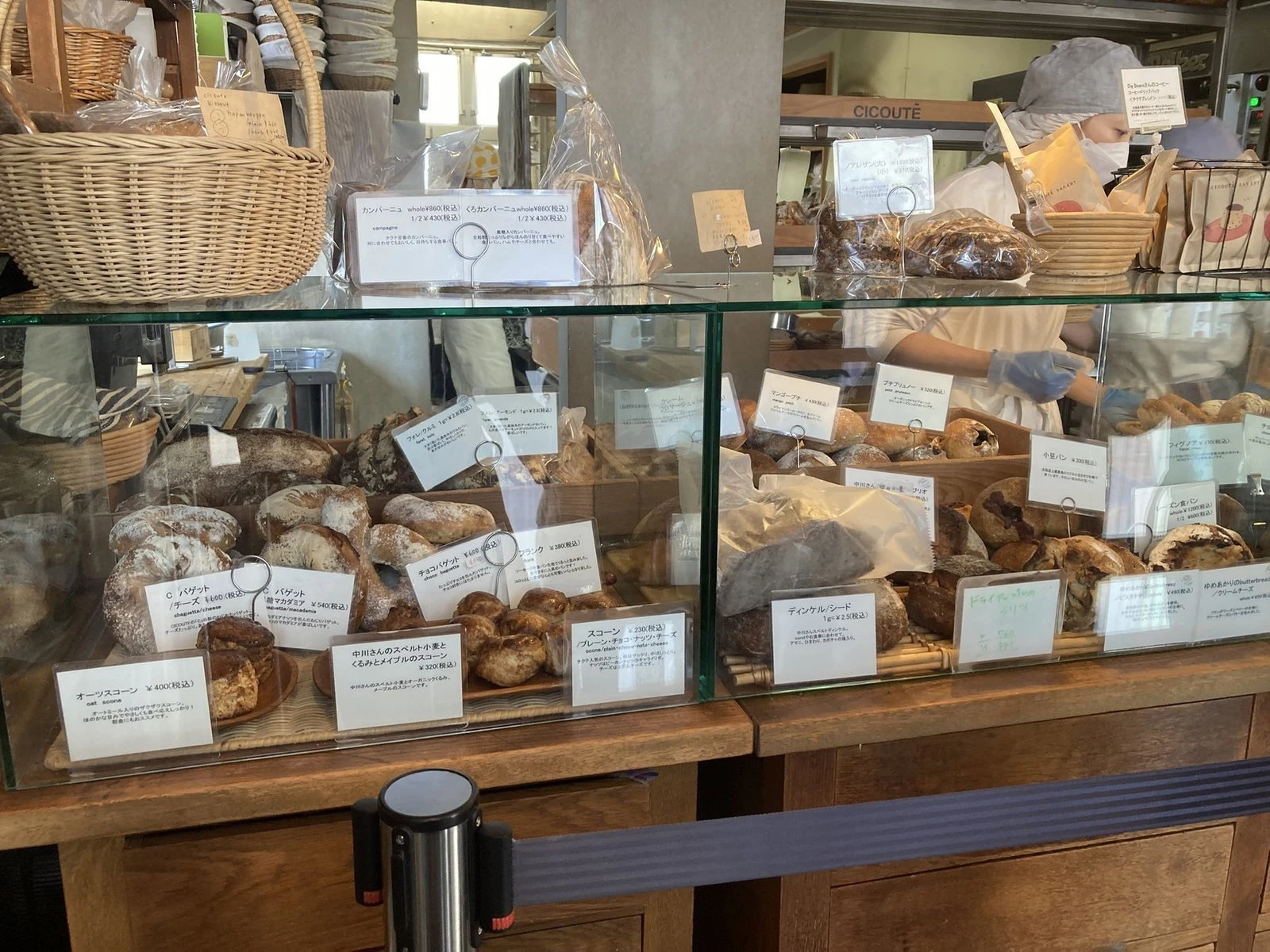
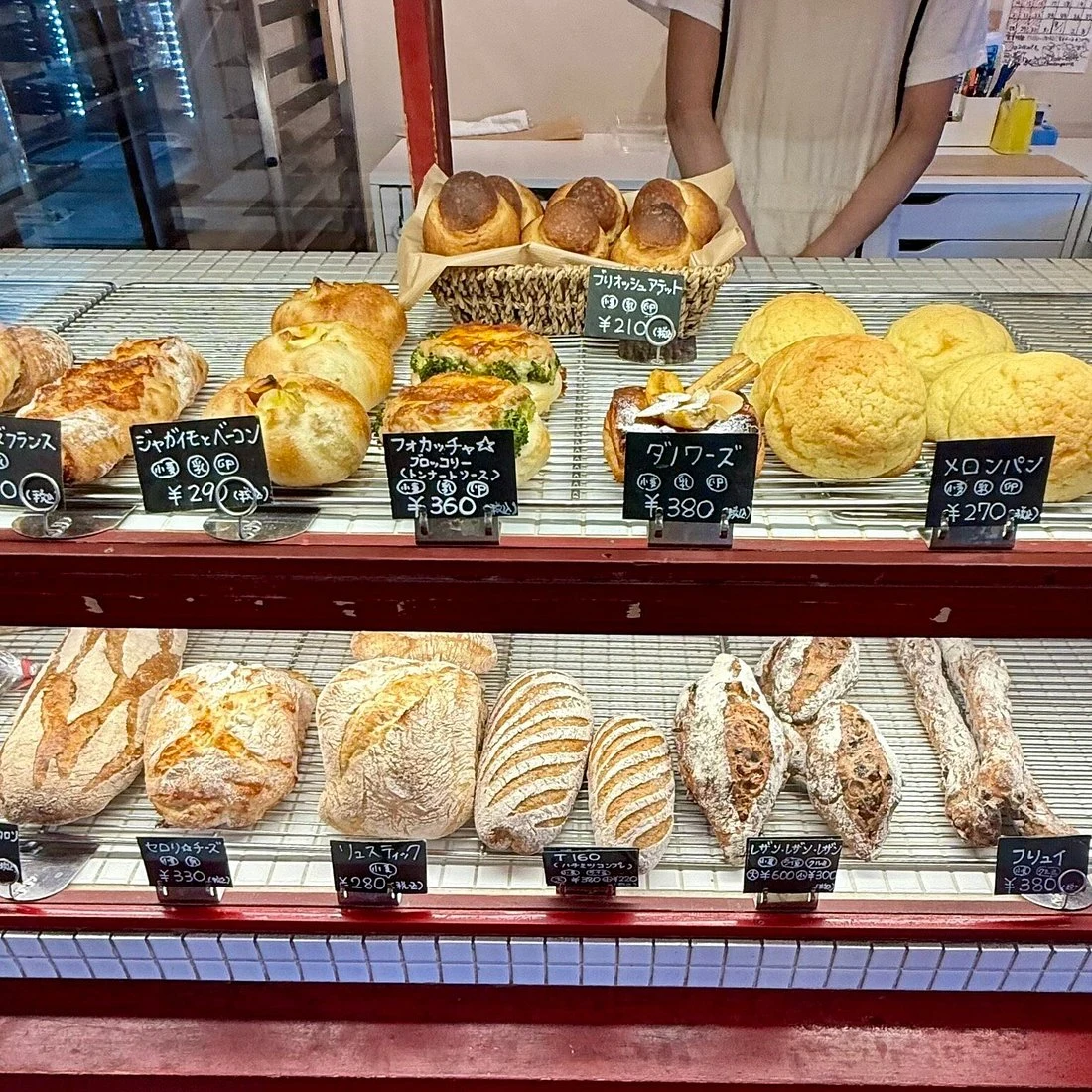
Tokyo’s bread culture has long been more complicated than the phrase “French bakery” suggests. The city absorbs European technique, then folds it into local habits: commuter breakfasts, mid-afternoon snacks, gifting, and the deeply Japanese affection for sweet buns and filled breads. The stronger shops do not choose between baguette discipline and domestic comfort. They carry both, which is why a bakery making French-style bread alongside bagels and Japanese sweet buns belongs to a broader Tokyo pattern rather than a novelty lane.
A compact Hachioji room built for turnover, not lingering
The design argument here is practical. A small bakery that admits only a handful of customers at a time changes how bread is read: the counter becomes the room, and the customer’s eye moves by sequence rather than by table service. This is a different kind of hospitality from Tokyo’s restaurant counters, but it shares the same city instinct for choreography. The space has to keep a line moving, protect the bread, and make decisions legible fast.
That structure also explains why Hachioji is not a footnote in Tokyo dining. Western Tokyo has its own food rhythm, less dependent on central-city hotel dining and more tied to neighborhood repeat use. In that context, a bakery recognized in Tabelog’s Bread TOKYO 100 in 2022 has to compete not only with destination shoppers but with local routine. The achievement is not theatrical luxury; it is consistency inside a low-margin, high-frequency category.
Among nearby casual specialists, the comparison is useful. Honkaku Teuchi Udon Arata and Isoya operate in a similar sub-¥1,000 comfort band, while Niboshi Iwashi Ramen En Hachioji honten and Chuka Soba Kamofuku sit slightly higher in the quick-meal bracket. Bread, though, has a different tempo: it asks the customer to buy for later, to judge by shelf life, texture category, and household use. Boule Beurre Boulangerie sits in that daily-provision lane, closer to a neighborhood ritual than a sit-down meal.
The serious Tokyo bakery is a range test
A stated production of 80 varieties daily is not just abundance. In a bakery, range tests systems: fermentation schedules, shaping, proofing, oven allocation, cooling, display, and sell-through. The mix from French bread to Japanese sweet buns signals a shop working across technique and audience rather than narrowing itself to a single imported identity. Traditional European methods give the structure; Tokyo’s eating habits broaden the shelf.
The Tabelog score of 3.74 and repeated Bread 100 selections from 2017, 2018, 2019, 2020, and 2022 give the bakery a measurable place in the city’s bread hierarchy. Tabelog’s Hyakumeiten lists are particularly useful in categories like bread, where Michelin-style international attention is thinner and local repeat behavior carries more weight. For travelers, that distinction matters: this is not destination dining in the formal sense, but it is destination shopping for a category Tokyo treats with seriousness.
The absence of table service is part of the point. Take-out bakeries reward a different kind of planning than restaurants. Timing affects selection, payment needs to be frictionless, and the room’s small scale means customers should be ready before entering. The better move is to treat it like a stop in a neighborhood food circuit rather than the anchor of a full itinerary. Hachioji’s casual dining scene can absorb that approach, especially for travelers already looking beyond central Tokyo’s omakase and hotel-restaurant orbit.
How to place it in a Tokyo food day
Tokyo rewards category-hopping, and bread is often the quieter counterweight to the city’s more famous bowls, grills, and tasting menus. A Hachioji bakery visit pairs naturally with a broader look at western Tokyo’s everyday food economy: udon, ramen, curry, and take-out bread all compete for repeat customers at prices that keep frequency realistic. That is a different kind of luxury from white-tablecloth scarcity, but serious travelers should not dismiss it. The city’s food intelligence often shows itself in formats that look modest from the outside.
For a wider Tokyo map, EP Club’s restaurant coverage ranges from casual addresses such as . 鮪と炭火焼き うお炭 秋葉原店, 12/10 Shinjuku ten, 124. KAGURAZAKA (Yakitori), 2D Cafe, and 3 Chome no Curry Ya San to the broader index in Our full Tokyo restaurants guide. City planning can also extend through Our full Tokyo hotels guide, Our full Tokyo bars guide, Our full Tokyo wineries guide, and Our full Tokyo experiences guide.
For readers comparing Japan’s casual formats beyond Tokyo, useful cross-city references include -Grilled beef Sukiyaki- KAMAKURA TANUKIAN 鎌倉 たぬき庵 in Kamakura,.cafe in Osaka,.know in Kumamoto, (Shoku) Vietnam in Kawasaki, [Curry Senmon Ten] Maruyama Kyoju. in Sapporo, and [ki:] in Kyoto. Outside Japan, Jōdo Saké Bar in Los Angeles and Onigiri Time in Pasadena show how Japanese drinking and snack formats travel, though Tokyo’s bakery culture remains rooted in a different daily-use grammar.
The editorial read is clear: Boule Beurre Boulangerie is for travelers who care about how Tokyo eats between reservations. Its value lies in the physical discipline of a small room, the breadth of an 80-variety production model, and recognition within a local bread ranking system that privileges repeat credibility over spectacle.