Why go
A Paris corner shop in Edobori
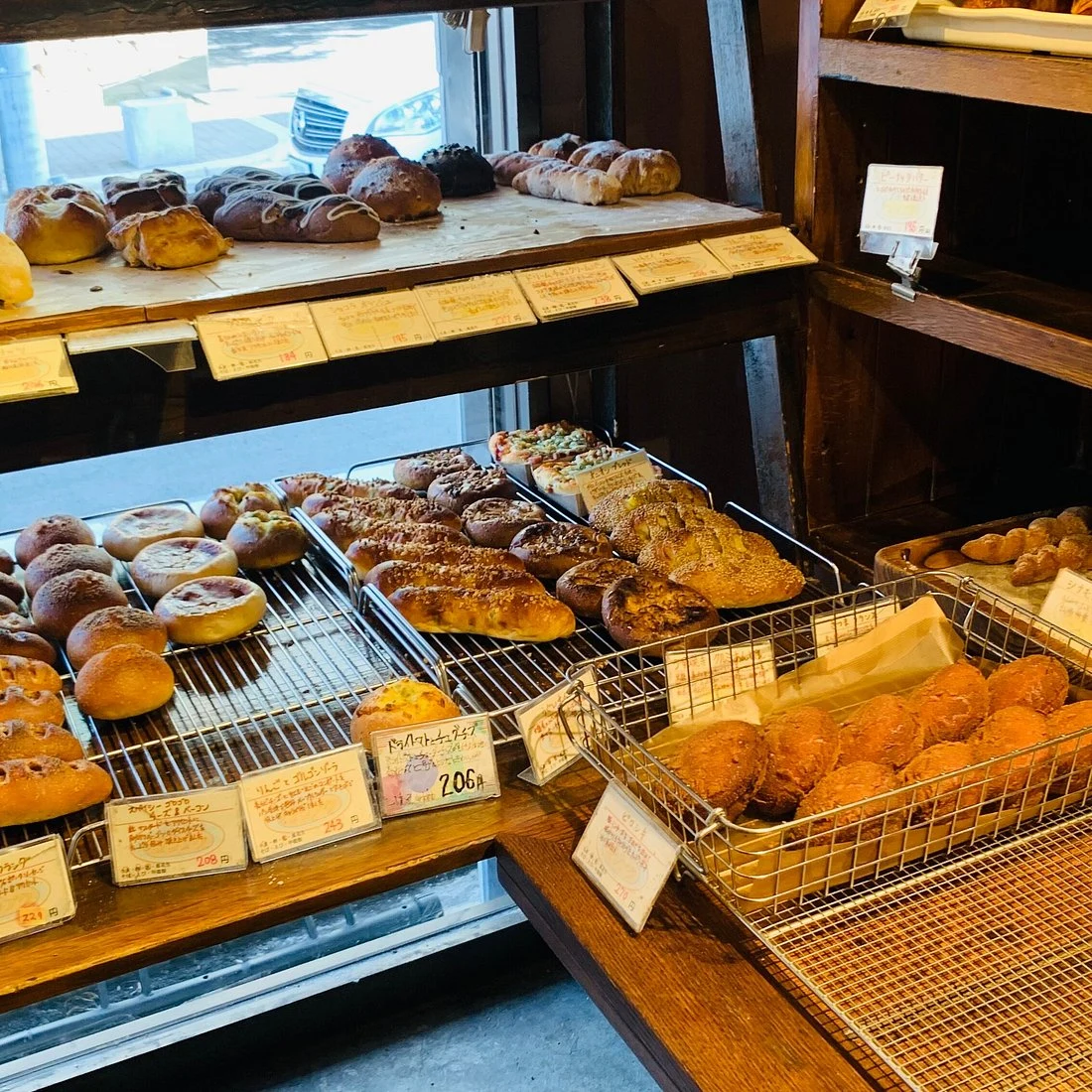
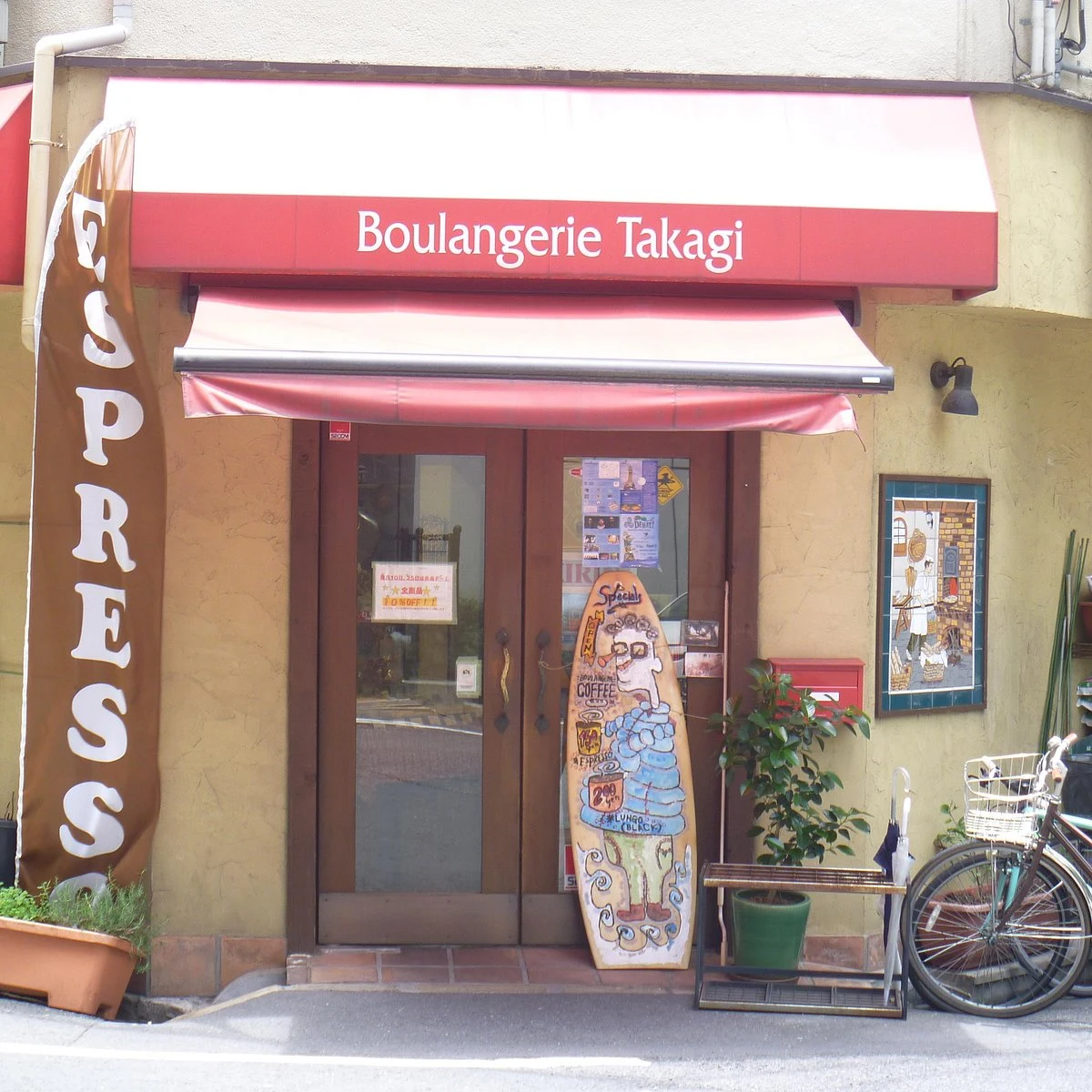
Tables of bread in the middle of the floor, more bread around the walls and a cold case by the register: Boulangerie Takagi is laid out the way a Paris corner boulangerie is laid out, which is plainly the reference the shop is reaching for. It sits on a corner in Edobori, in Osaka's Nishi Ward within short walking distance of Higobashi, and it is a bakery in the strict sense. There is no eat-in seating and no cafe menu, so everything here is chosen, bagged and carried out.
What holds the room together is that the savoury breads each make a separate argument rather than repeating one house line in variations. Reading the tables takes a minute longer than it does elsewhere, and that is the point of the trip.
Long fermentation and Hokkaido wheat
The house style is savoury-leaning and built on time. The salt bread is long-fermented and made with Hokkaido wheat, which is the item that best explains the kitchen's priorities: few ingredients, a long rest, and a crust that earns its salt. Around it sit breads that read like small compositions. Fig is paired with anise. Pistachio is worked with cream cheese and orange. A fruit and cheese loaf carries walnuts, raisins and Hokkaido cream cheese in one slice.
The pastry side runs to a hazelnut chocolate croissant and a lemon cream pastry, while the cream pan holds the plain sweet end. The refrigerated case by the till adds custard pudding and cream puffs for anyone who wants dessert rather than bread, and sandwiches cover lunch for people passing through the office blocks nearby.
Named to the Tabelog 100 list twice
Takagi was selected for the Tabelog 100 bread list in 2020 and again in 2022, which is the clearest external marker of how seriously Osaka takes it. A second branch opened by JR Senrioka Station in autumn 2024, so the name now covers two addresses, but Edobori is the original and the one the reputation was built on.
Come at it as a shopping trip rather than a sit-down. Pick one long-fermented savoury loaf, one of the composed breads for contrast, and something from the cold case, and eat them somewhere else. The bread is better for the walk than it would be for a table.
Frequently asked questions
What should you buy at Boulangerie Takagi?
The long-fermented salt bread made with Hokkaido wheat, which is the clearest statement of the house style. Then take one of the composed breads for contrast: fig with anise, or pistachio worked with cream cheese and orange. The cream pan covers the sweet end, and the cold case by the register holds custard pudding and cream puffs.
Can you sit down at Boulangerie Takagi?
No. It is a retail bakery in Edobori with no eat-in seating and no café service, so bread and pastry are chosen at the tables in the middle of the floor and carried out. Sandwiches are made up for anyone wanting lunch to go. A second branch opened by JR Senrioka Station in autumn 2024.
Compare nearby places
| Venue | Type | Area |
|---|---|---|
| Takamura Wine & Coffee Roasters | Café | Nishi-ku |
| Patisserie La Plage | Bakery | Chuo Ward |
| patisserie accueil | Bakery | Kitahorie |
| Boulangerie & cafe gout | Bakery | Tanimachi 4-chome / Chuo Ward |
| Cante Grande Bakery | Bakery | Kita-ku Nakatsu |