Why go
Chocolate first, with cakes and seasonal sweets
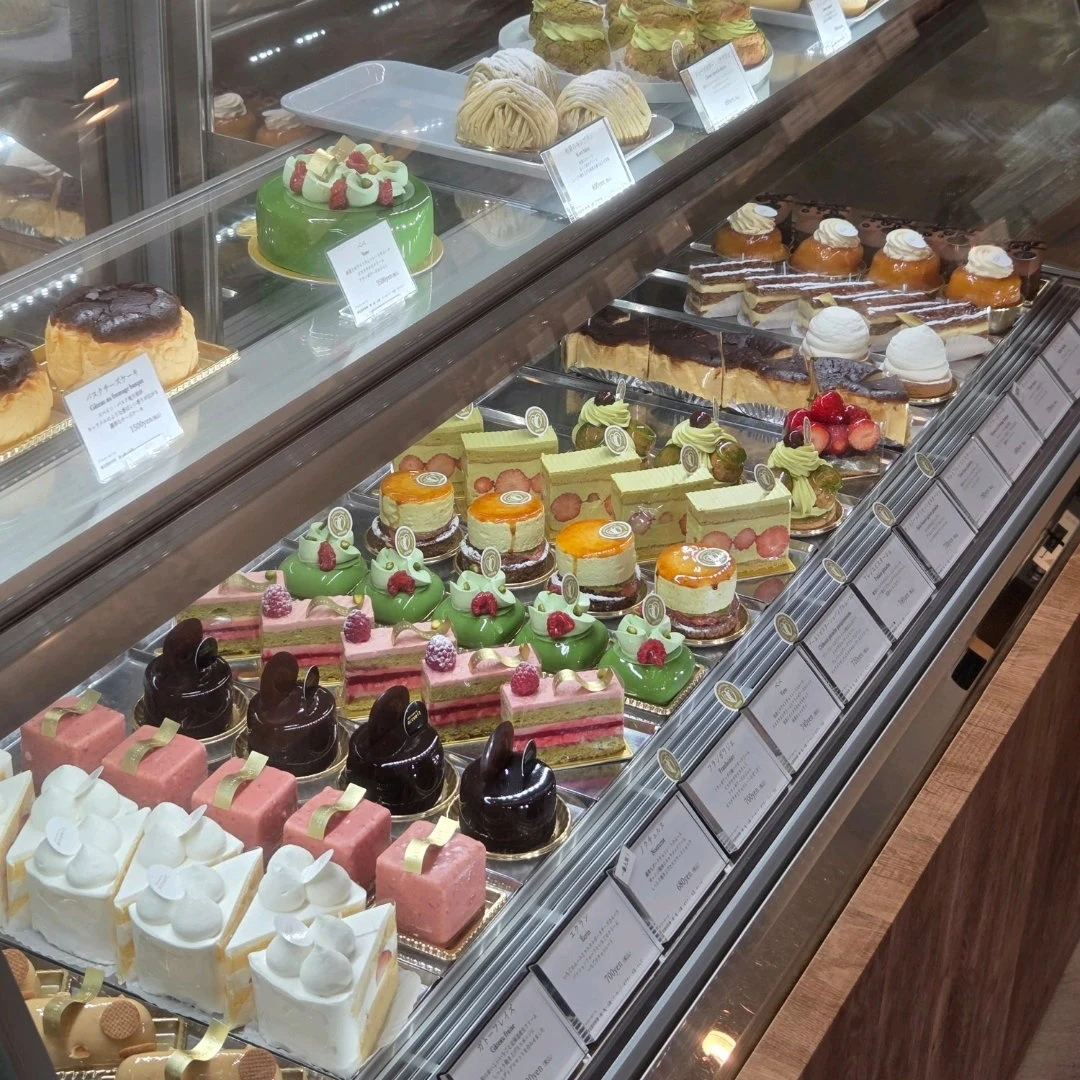
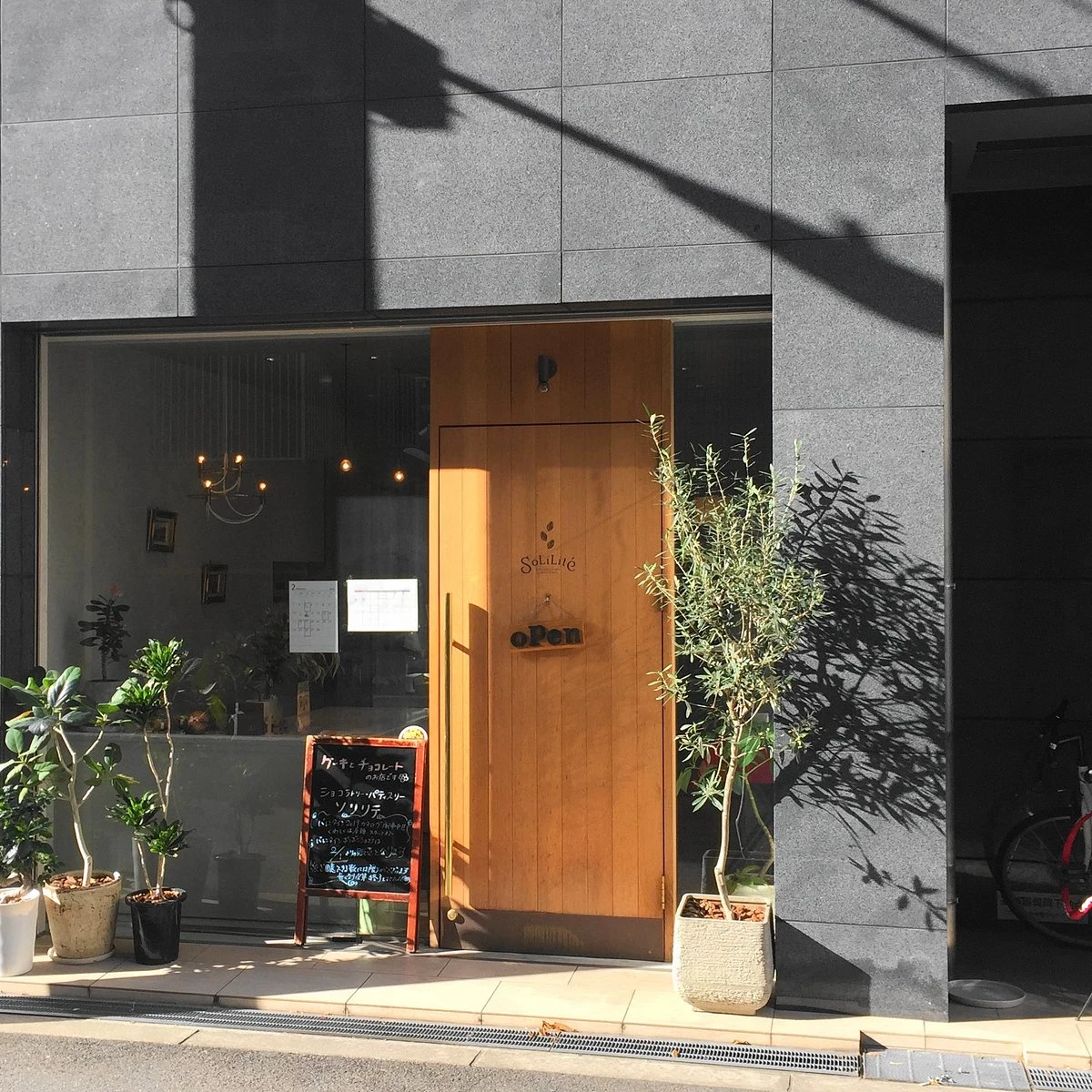
Bonbons lead the case at CHOCOLATERIE PATISSERIE SOLILITE, with tablet chocolate, a butter sandwich du chocolat and a cream-filled sable chocolat behind them, and whole cakes built to order for the days that need one. The shop, written SoLiLite in Latin script, opened in Osaka's Nishi Ward in 2015, and its name joins three French ideas: souvenir for memory, lier for connection, liberte for freedom.
What follows is a chocolate-forward patisserie rather than a general bakery. Chocolate stays central through bonbons, tablets, the butter sandwich du chocolat, cream-filled sable chocolat and seasonal pieces, while cookies, baked goods and gift assortments fill out the shelf. Whole cakes are made to order, which gives the cake side a planned, celebratory role: birthdays, anniversaries and seasonal marking points rather than a spontaneous slice.
A compact counter with a seasonal calendar
The shop is small and counter-served, and a visit is a matter of choosing, whether for a gift, an occasion or the walk home. The idea the shop works from is deliberately loose: confectionery as a way to connect people and add something to a moment that matters, which is why so much of the range is built to be handed over. An online shop carries baked goods, cookies, chocolates and other items, so the range travels further than the Edobori street it sits on.
Seasonality drives the selection more than any fixed everyday list. Limited items, holiday products and end-of-year sweets recur, and Christmas is the biggest of them, so the case reads as an evolving calendar rather than a set menu. Gift buyers work from cookies, baked goods, chocolates and limited assortments; anyone marking a date follows the order-cake route instead.
Order the bonbon chocolat first
Start with the bonbon chocolat, the clearest expression of what SoLiLite is. The Christmas range shows the same hand at a larger scale: Christmas bonbons, a three-piece bonbon set, a chocolate tree, a Joyeux Noel cookie assortment and a cacao stollen, all French-inflected in naming and finish.
Beyond bonbons, the architecture of the shop is easy to read from the named pieces: the renewed tablet chocolate, the butter sandwich du chocolat, the cream-filled sable chocolat and a cheesecake the chef would happily eat every day. For a celebration, take the whole-cake route. For a smaller visit or a gift, chocolates, cookies, baked goods and seasonal assortments capture the craft best, and they are the parts of the range that change most through the year.
Frequently asked questions
What should I order first at SoLiLite?
The bonbon chocolat. It is the clearest statement of a shop built around chocolate, and the seasonal versions, including the Christmas bonbons and the three-piece set, show the same work at a larger scale. After that, the butter sandwich du chocolat and the cream-filled sable chocolat are the natural next steps.
Are the whole cakes at SoLiLite made to order?
Yes. Whole cakes are produced to order rather than kept in the case, which puts them at the celebratory end of the shop: birthdays, anniversaries and seasonal marking points. Everyday buying happens instead through bonbons, tablet chocolate, cookies, baked goods and the limited seasonal assortments that change through the year.
Compare nearby places
| Venue | Type | Area |
|---|---|---|
| patisserie accueil | Bakery | Kitahorie |
| Patisserie Ravi,e relier | Bakery | Nakazakicho / Kita-ku |
| Patisserie Rechercher | Bakery | Minamihorie |
| Acidracines Patisserie | Bakery | Chuo-ku |
| Patisserie Rielg | Bakery | Higashi-Osaka |