Higashi-Osaka

Patisserie Rielg

BakeryPatisserieAbout $15 a head
Patisserie Rielg

Why go

Approaching Higashi Hanazono, Osaka changes register. The city’s central appetite for queues, neon, and late-night eating gives way to a more residential tempo, where a pastry counter can carry as much local gravity as a dinner reservation downtown. In that setting, Patisserie Rielg belongs to a specific Japanese sweets tradition: compact, Western-influenced patisserie filtered through neighborhood routine rather than hotel-lobby ceremony.

Osaka’s food reputation often starts with savory shorthand, takoyaki, okonomiyaki, kushikatsu, ramen, udon, and department-store counters stacked with edible gifts. The sweets scene is quieter but no less disciplined. A serious patisserie here has to serve two audiences at once: the customer buying cake for home, and the customer treating the shop itself as a brief pause in the day. That split matters. It produces a different rhythm from tasting-menu dining, with sequence built through the counter, the box, and the decision to eat in or carry out.

A six-seat sweets room built around restraint, not spectacle

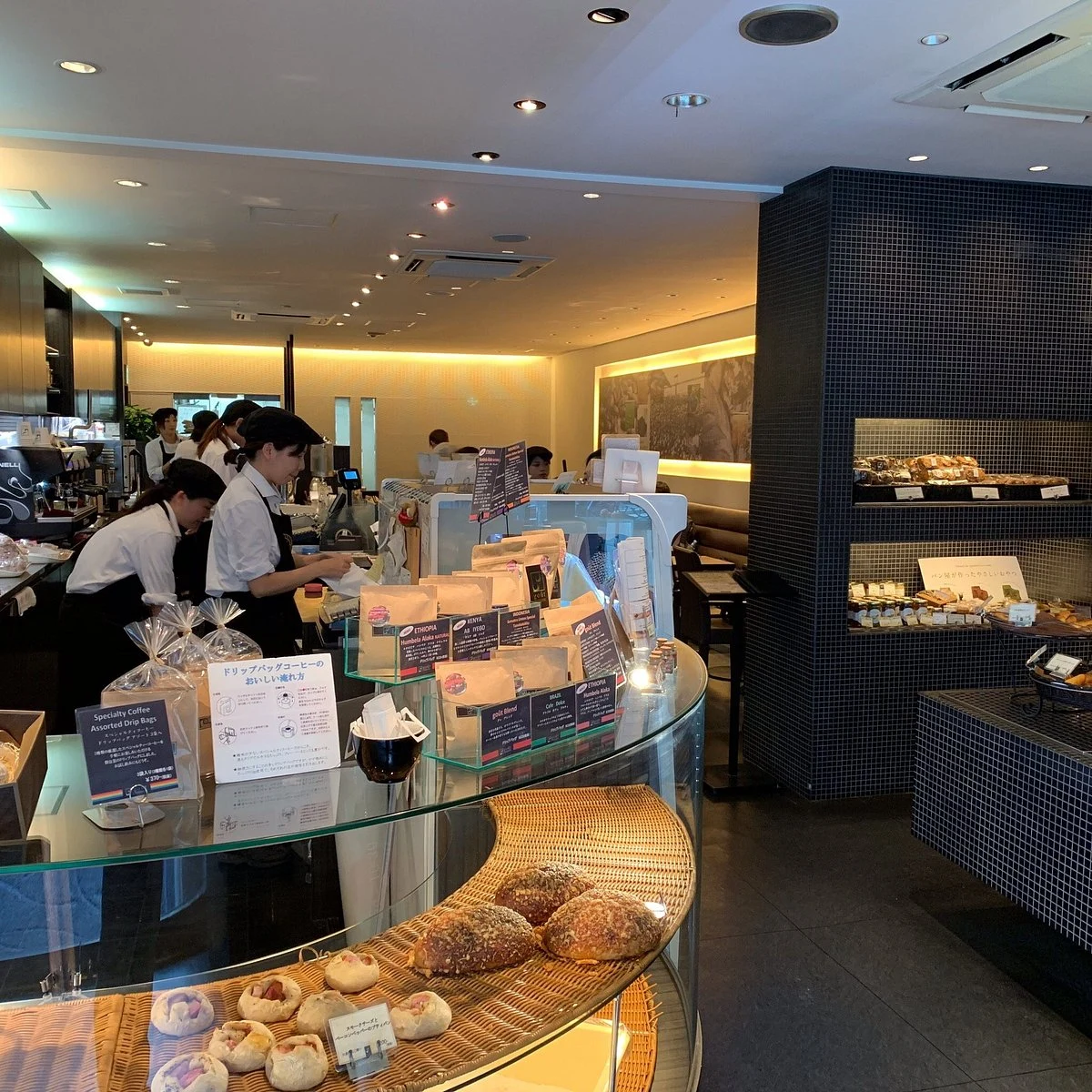
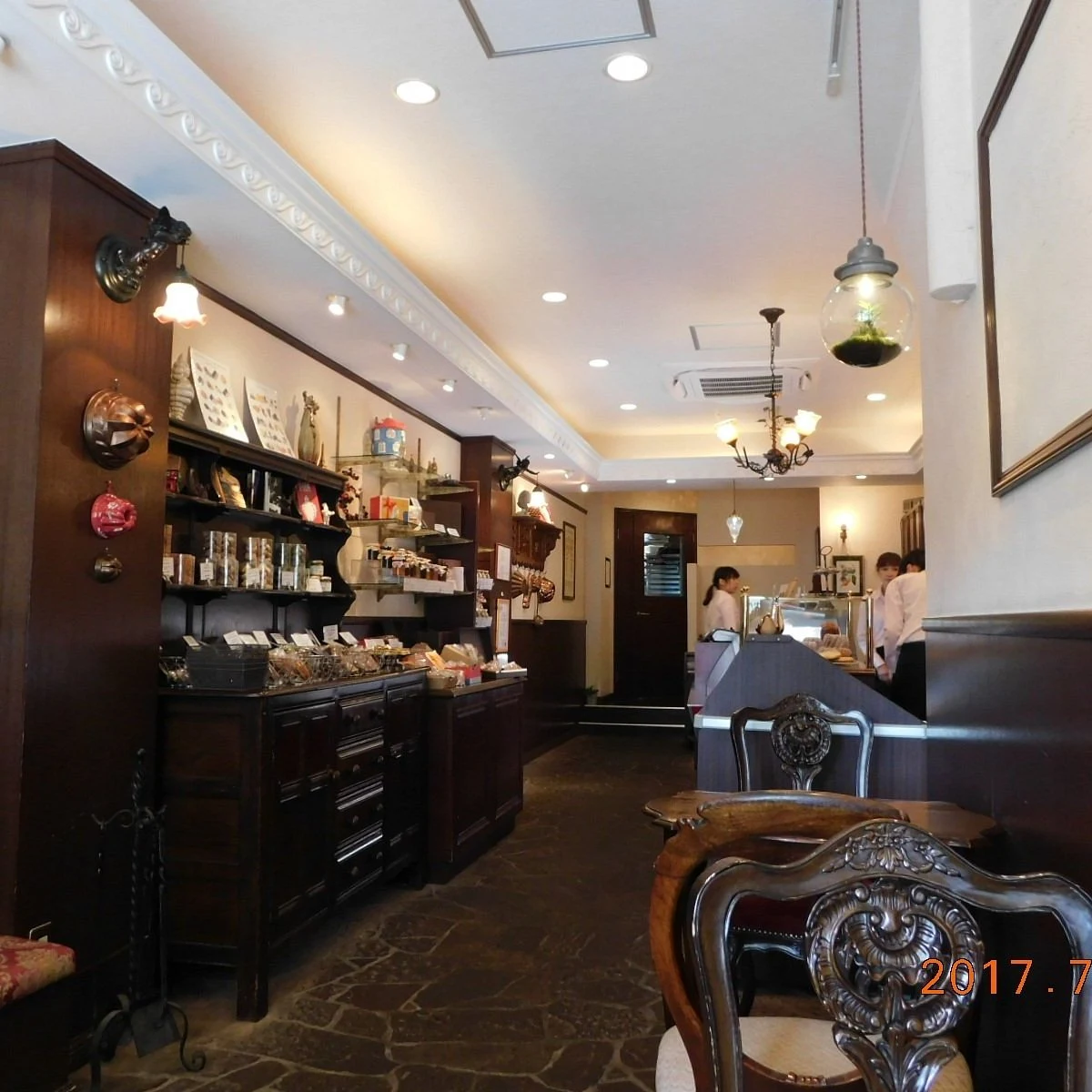
The small scale shapes the reading of the experience. A six-seat room, divided between counter seating and a two-person table, places Patisserie Rielg in the micro-format end of Osaka dining, closer in capacity logic to a specialist counter than a cafe built for lingering groups. That intimacy suits pastry. Cakes and Western-style sweets rarely need theatrical explanation; they need precision, timing, and a room that does not drown the product in noise.

The listing in Tabelog Sweets WEST 100 for 2023 gives the address a useful external marker. In Japan, Tabelog’s Hyakumeiten lists often function less like luxury awards and more like maps of category depth, especially for ramen, sweets, curry, udon, and other fields where obsessive local comparison matters. A sweets selection in WEST places this Higashiosaka shop inside a regional conversation rather than simply a local errand stop.

That distinction is important because Osaka has several parallel food economies. There are central-city restaurants built around destination dining, neighborhood shops serving repeat customers, and casual specialists where price and frequency are part of the appeal. Compared with Yakitori Tokei, a dinner-led Osaka counter in a far higher spending tier, a patisserie like this plays a different game entirely. Compared with udon addresses such as Udon Biyori, Sanukiya Masajiro, Teramae, or Menya Issou, the shared value is specialization: a narrow category executed seriously enough to justify a detour within the city’s broader eating map.

The tasting arc is chosen at the counter

The assigned category, cake, Western-style sweets, and cafe, points to a format where progression is self-composed. A meal here is not a chef-led dégustation with a fixed run of courses. The arc is built by the customer: something immediate, something to carry, and something that reads as a gift rather than a personal dessert. That is a recognizable Japanese pastry rhythm. Department stores formalize it with packaging and seasonal gifting; neighborhood patisseries make it more personal, smaller in scale, and more dependent on the day’s counter.

Because no signature items are publicly specified here, the smarter editorial read is category-based rather than dish-led. The shop is strongest as part of a sweets crawl or a targeted Higashiosaka stop, not as a substitute for a full restaurant booking. Its price bracket supports that reading. This is not the economics of luxury pastry in a hotel salon; it sits in the range where a visitor can treat the stop as a focused tasting rather than a major dining event.

There is a useful Osaka contrast in that. The city rewards appetite across formats: a steamed bun from 551 Horai (551蓬莱), a bakery run such as 52CHO-ME BAKERY, a cafe stop at .cafe, or a more structured meal at a canto (Italian) and 99 Pizza Napoletana Gourmet. Patisserie Rielg fits the same day differently: not as lunch or dinner, but as the sweet punctuation that makes the itinerary feel locally textured.

That is why the tasting progression should be read horizontally rather than vertically. Instead of courses arriving in a scripted order, the sequence moves from neighborhood approach to counter selection, from eat-in pause to take-out practicality. The pleasure is editorially modest but structurally clear: a compact pastry address with enough recognition to matter beyond its immediate block.

Where it fits in an Osaka itinerary

Higashiosaka is not the default base for first-time visitors chasing central Osaka density. That gives the stop a different function. It rewards travelers who are already moving east, using the Kintetsu Nara Line, or building a day that does not depend entirely on Namba, Umeda, and the usual food corridors. The walk from Higashi Hanazono places the shop in a calmer part of the metropolitan food map, useful for readers who care about how Japanese pastry lives outside major station complexes.

The practical character is part of the editorial value. Take-out service, non-smoking status, children welcome, and a small number of seats make the address better suited to a measured daytime stop than a social evening. QR code payments are accepted, while credit cards and electronic money are not, so the transaction style is closer to a small local shop than a heavily internationalized venue. Parking is limited, which reinforces the sense that this is a planned neighborhood visit rather than a drive-up group outing.

For broader planning, use Our full Osaka restaurants guide alongside Our full Osaka hotels guide, Our full Osaka bars guide, Our full Osaka wineries guide, and Our full Osaka experiences guide. Readers comparing Japan-wide specialist formats can also cross-reference -Grilled beef Sukiyaki- KAMAKURA TANUKIAN 鎌倉 たぬき庵 in Kamakura,. 鮪と炭火焼き うお炭 秋葉原店 in Tokyo,.know in Kumamoto, (Shoku) Vietnam in Kawasaki, [Curry Senmon Ten] Maruyama Kyoju. in Sapporo, [ki:] in Kyoto, Jōdo Saké Bar in Los Angeles, and Onigiri Time in Pasadena.

The critical takeaway is simple: this is a recognized Osaka sweets address whose appeal depends on scale, category focus, and neighborhood context. Treat it as a precise daytime pastry stop, not a grand dining production, and the format makes sense.

Tags

CozyModernHidden GemIntimateSoloFamilyCasual HangoutAfter WorkStandaloneDesign Destination