Why go
Bread built backwards from the meal it belongs to
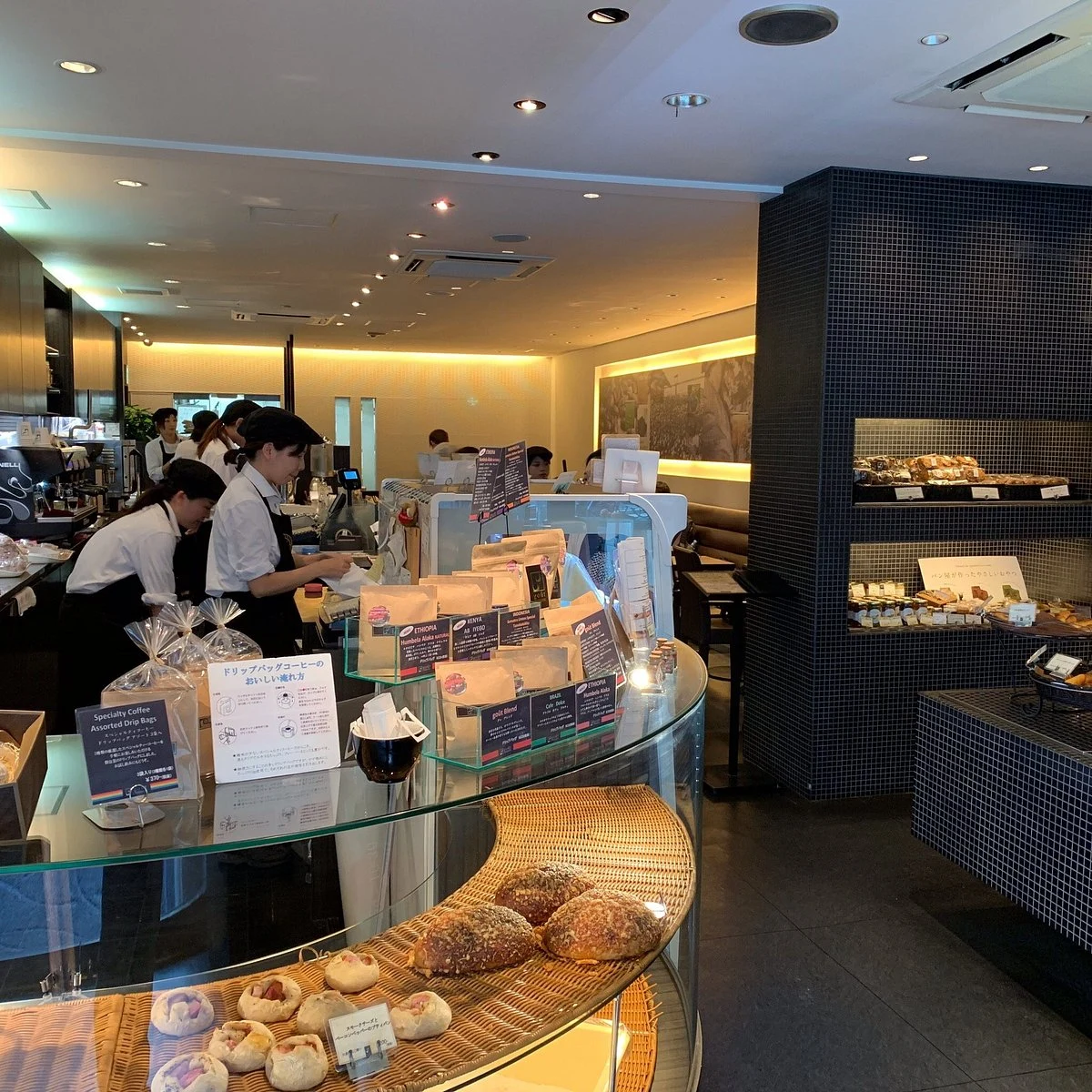
Boulangerie Parigot starts with the scene a loaf is going to be eaten in, then works back into the dough. That is an unusual place to begin, and it explains the shape of the range in this Tennoji bakery: breads for the morning table, breads meant to sit beside a glass of something alcoholic, standard loaves for repeat buying, and seasonal breads that come and go. The baking is French in technique, above all in the baguette, which is made by traditional method, while the wider range, written up in Japanese as ブーランジュリー パリゴ, is pitched at how people in Osaka actually eat. Some breads are built deliberately around Japanese food culture rather than imported wholesale from France.
Nine standards, and a bake that moves with the weather
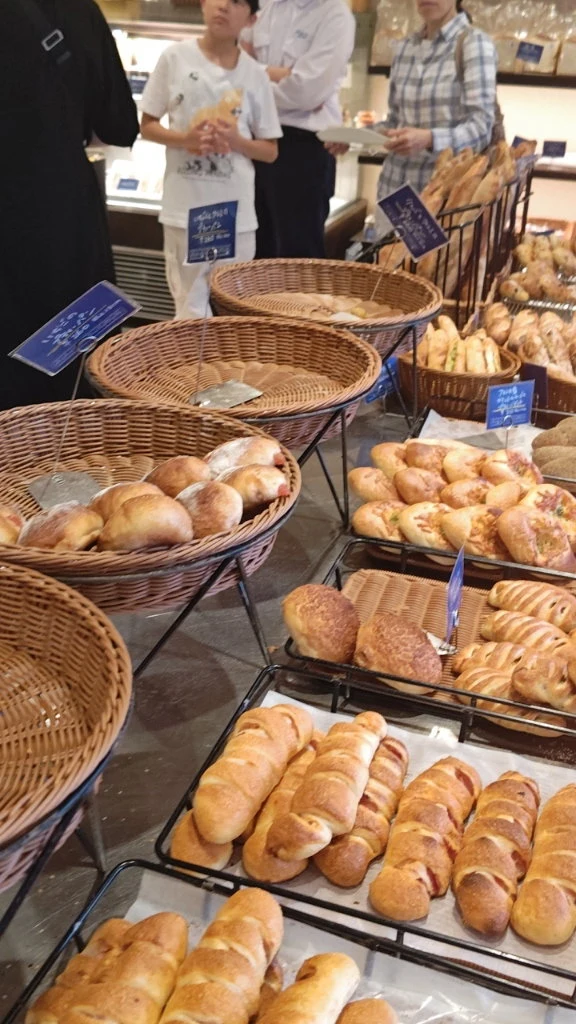
The core of the shop is a set of nine everyday products, presented as Nos Produits du Quotidien, or 定番商品. The classic baguette anchors it, with shokupan and croissants alongside, and those three cover the two traditions the bakery works between: French lamination and crust on one side, the soft Japanese loaf on the other. Method is not fixed. Fermentation, dough handling and bake are adjusted to weather and temperature, which is the practical version of a claim most bakeries only make in the abstract.
The ingredient thinking runs the same way: safe, reliable materials, attention to nutritional balance, and a deliberately watched salt level. The goal the bakery sets itself is a wheat aroma and sweetness that fill the mouth, a sensation it compares to a bowl of freshly cooked rice. Several breads exist purely to draw that out, made so the wheat itself is the flavour rather than a vehicle for a filling.
Start with the baguette, then a standard and a seasonal
Begin with the traditional baguette. It is the clearest read on the technique and the least forgiving thing in the case. Then add one of the nine standards, shokupan or a croissant, to see how the same hand handles a soft crumb and a laminated dough. Finish with whatever seasonal loaf is out, since that is where the wheat-forward experiments live.
Approached that way the bakery makes sense as a daily shop rather than a destination treat: bread for breakfast, bread for the evening table, and a baguette holding the French side of the argument together.
Frequently asked questions
What should I buy first at Boulangerie Parigot?
The traditional baguette, which is the clearest read on the French technique here. After that take one of the nine everyday standards, shokupan or a croissant, to see the same hand on a soft crumb and a laminated dough, and add whatever seasonal loaf is out that week.
What kind of bakery is Boulangerie Parigot?
A neighbourhood boulangerie in the Tennoji area of Osaka that designs each bread around the meal it is meant for: breakfast loaves, breads to drink with, everyday standards and seasonal runs. Technique is French, particularly in the baguette, but the range is shaped for Japanese tables, with a watched salt level and a wheat-forward flavour.
Compare nearby places
| Venue | Type | Area |
|---|---|---|
| Boulangerie goût | Bakery | Chuo Ward |
| patisserie accueil | Bakery | Kitahorie |
| Boulangerie & cafe gout | Bakery | Tanimachi 4-chome / Chuo Ward |
| Patisserie La Plage | Bakery | Chuo Ward |
| Patisserie Rechercher | Bakery | Minamihorie |