Why go
Approaching a serious Osaka bakery in the morning requires different dining intelligence from securing a counter seat at night. The cues are smaller: trays moving, customers choosing quickly, bread displayed for immediate decisions rather than staged courses. Boulangerie goût fits this compact urban format, where production, display, and front-of-house service work as one system because the experience is built around takeaway speed, not a dining room.
Osaka is often reduced to takoyaki, okonomiyaki, and late-night appetite, but its bread culture deserves attention from travellers who plan meals as carefully as hotels. Japanese bakeries absorbed French technique, localised it for daily use, then expanded it into an unusually broad category: breakfast loaves, filled rolls, sandwiches, sweet breads, and savoury items for the commute as much as the table. That breadth explains why a bakery can matter alongside sushi, ramen, tea rooms, and formal French dining, even when the spend is modest and the format brief.
Osaka bread culture works on timing, not ceremony
The defining feature is not a named dish but a category position: bread and sandwich craft recognised by Tabelog’s Bread WEST 100 in 2022, with prior Bread 100 selections in 2017, 2018, 2019, and 2020. In Japan, repeated listing signals consistency across a wide customer base rather than tasting-menu drama. It also places the shop in a more democratic competitive set than Osaka’s destination restaurants, where excellence is judged through daily turnover, bake rhythm, and reliable simple formats.
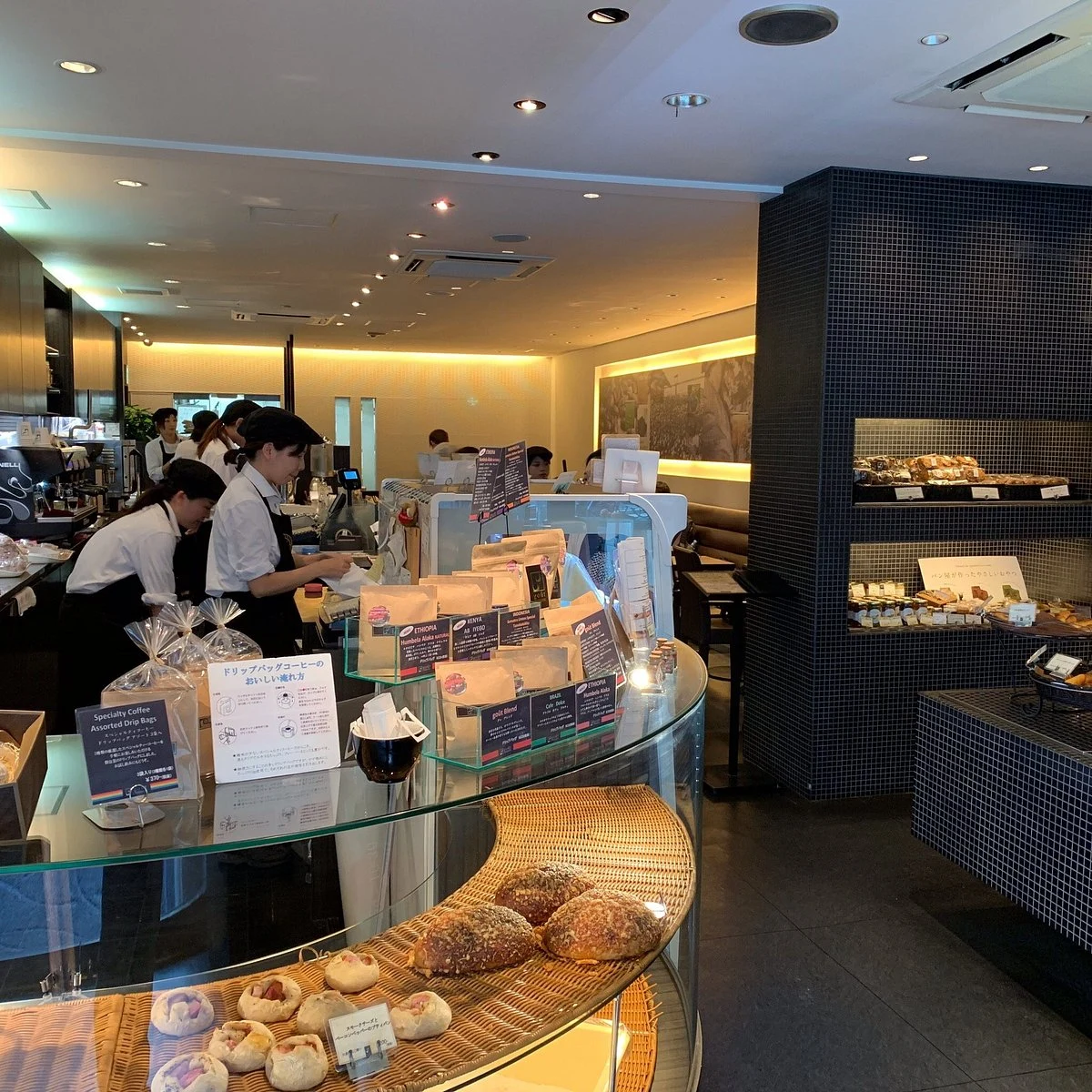
Bakery judgment is unusually collaborative. A chef’s name is not the useful lens when the public evidence points to a shop format: takeout only, bread and sandwiches, children welcome, no private rooms, no dining-room theatre. The team dynamic is practical. Production must land at the right pace, display must turn variety into fast choices, and the counter must keep flow moving without turning a bakery visit into restaurant service. When that chain works, the customer reads it as ease; when it fails, even good bread feels disorganised.
Compared with Osaka restaurants that ask for a larger commitment, the bakery category rewards lighter planning. Kiyo Suke sits in a higher spend bracket, Sushi Sanshin belongs to the city’s serious sushi conversation, and Être à l'aise occupies a formal French lane. Boulangerie goût operates differently: low-cost, daytime, portable, and useful between neighbourhood walks. That is not a lesser experience, but a reminder that Japanese food culture is as strong in routine purchases as in reservation-only rooms.
The craft sits in the everyday format
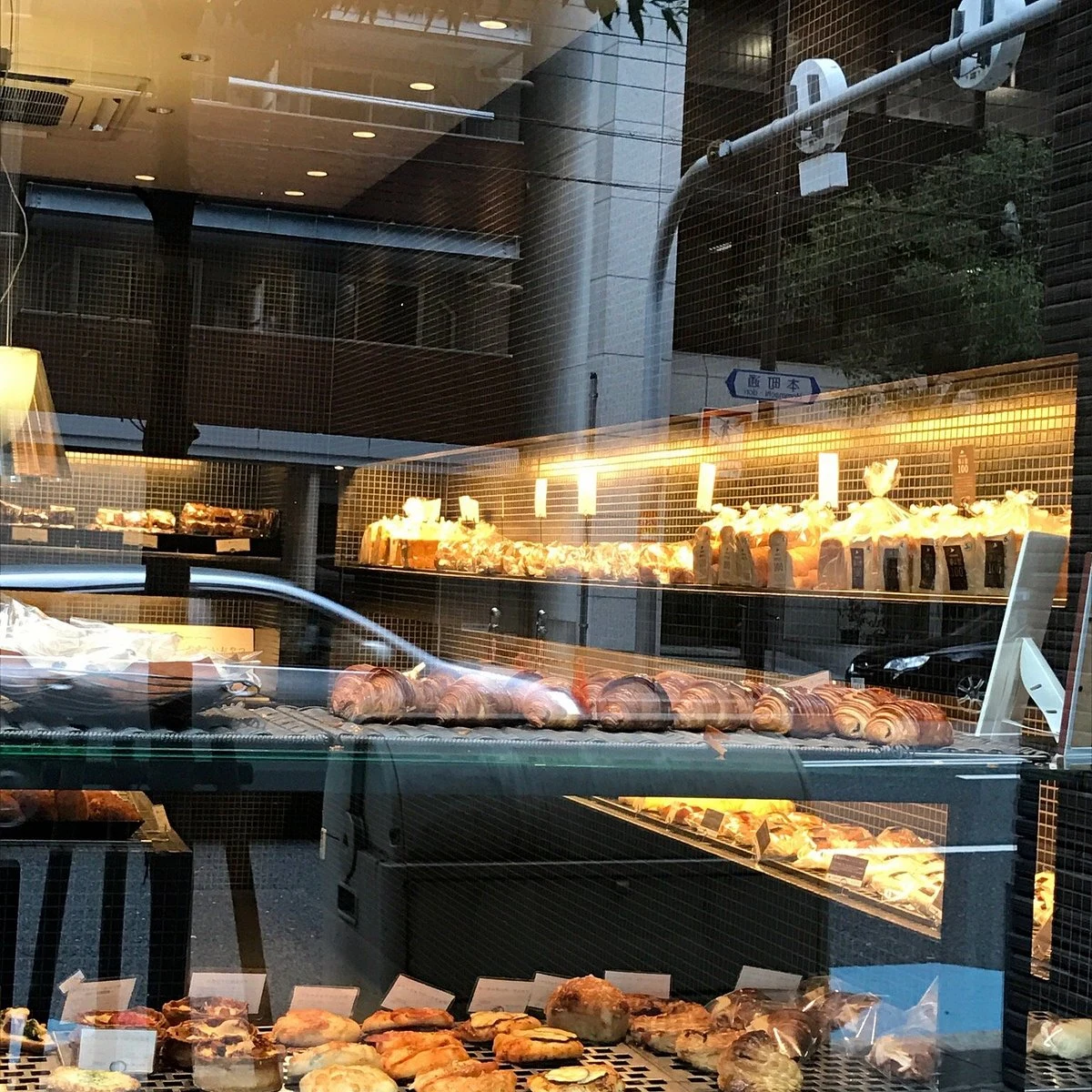
Japanese boulangeries are not French replicas. The stronger examples use European technique as a base, then widen the offer for local eating habits: softer textures, savoury fillings, precise individual portions, and a retail rhythm built around repeat customers. This is why bread and sandwiches are worth tracking separately from cafés. A café can be judged by seating, drinks, and mood; a bakery like this by the discipline of the case and the confidence of the takeaway proposition.
The Tabelog score of 3.72 is another useful signal. In Japan’s review culture, high scores for casual categories are not handed out casually, especially outside the small universe of luxury dining. Travellers should read the number alongside the award history rather than alone: the point is not mathematical precision but convergence. Multiple Bread 100 years plus a strong public rating create a firmer case than either signal alone.
The physical limitation is part of the editorial point. A takeaway-only bakery removes the markers international travellers often use to evaluate a restaurant: table service, wine list, pacing, and a visible chef. What remains is execution under daily conditions. The front counter therefore carries unusual weight: it is where the production team’s work becomes legible, the selection must be clear, and the customer decides quickly.
Within an Osaka food day, this stop works better as punctuation than centrepiece. Pair it with a broader Chuo Ward route, then save the evening for a room with more structure. Readers building a citywide plan can use Our full Osaka restaurants guide for dining depth, then cross-check sleep, drinking, and cultural planning through Our full Osaka hotels guide, Our full Osaka bars guide, Our full Osaka wineries guide, and Our full Osaka experiences guide.
How it fits into a sharper Osaka itinerary
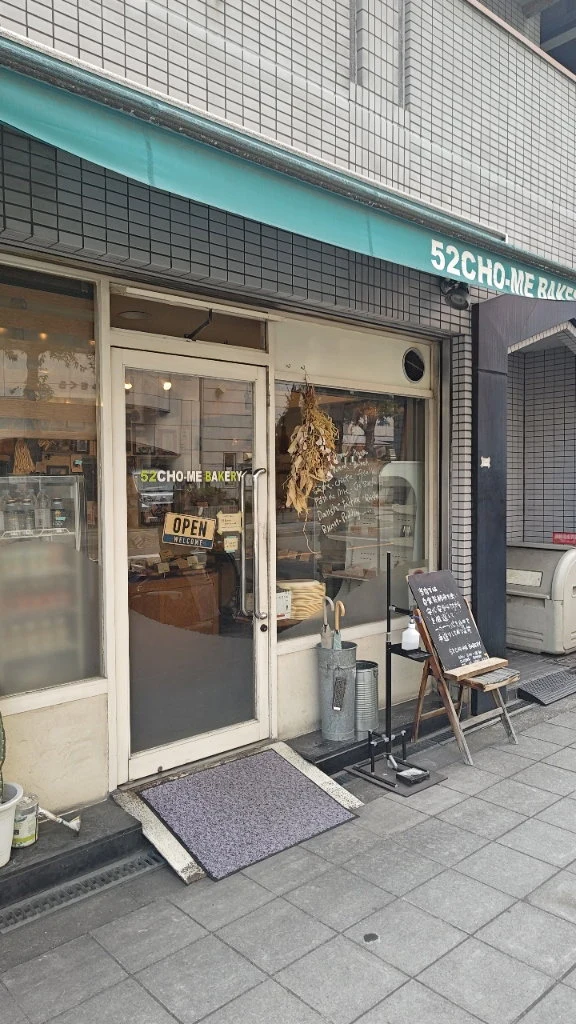
The city’s casual food map is broad enough that a bakery should not be treated as novelty. It sits near other everyday formats that show how Osaka eats between formal meals: 551 Horai (551蓬莱) for a different quick-service institution, 52CHO-ME BAKERY for another bakery reference point, and.cafe when the brief shifts toward sitting down. For a broader casual-to-restaurant spread, 99 Pizza Napoletana Gourmet and a canto (Italian) show how imported food forms become local Osaka habits rather than simple copies.
Travellers comparing Japanese regional dining should keep the lens wide. The same itinerary logic that makes room for Boulangerie goût in Osaka can also make sense of [ki:] in Kyoto,.know in Kumamoto, (Shoku) Vietnam in Kawasaki, [Curry Senmon Ten] Maruyama Kyoju. in Sapporo, -Grilled beef Sukiyaki- KAMAKURA TANUKIAN 鎌倉 たぬき庵 in Kamakura, and. 鮪と炭火焼き うお炭 秋葉原店 in Tokyo. Outside Japan, Jōdo Saké Bar in Los Angeles and Onigiri Time in Pasadena show how Japanese formats travel and change when they leave home.
The editorial verdict is measured. This is not the Osaka stop for diners seeking ceremony, cellar depth, or a chef-led narrative. It is the stop for understanding how the city’s food seriousness appears at street level: repeated bakery recognition, a lean takeaway model, and a category where coordination matters more than spectacle. In a city full of louder meals, that quieter competence is exactly the point.