Why go
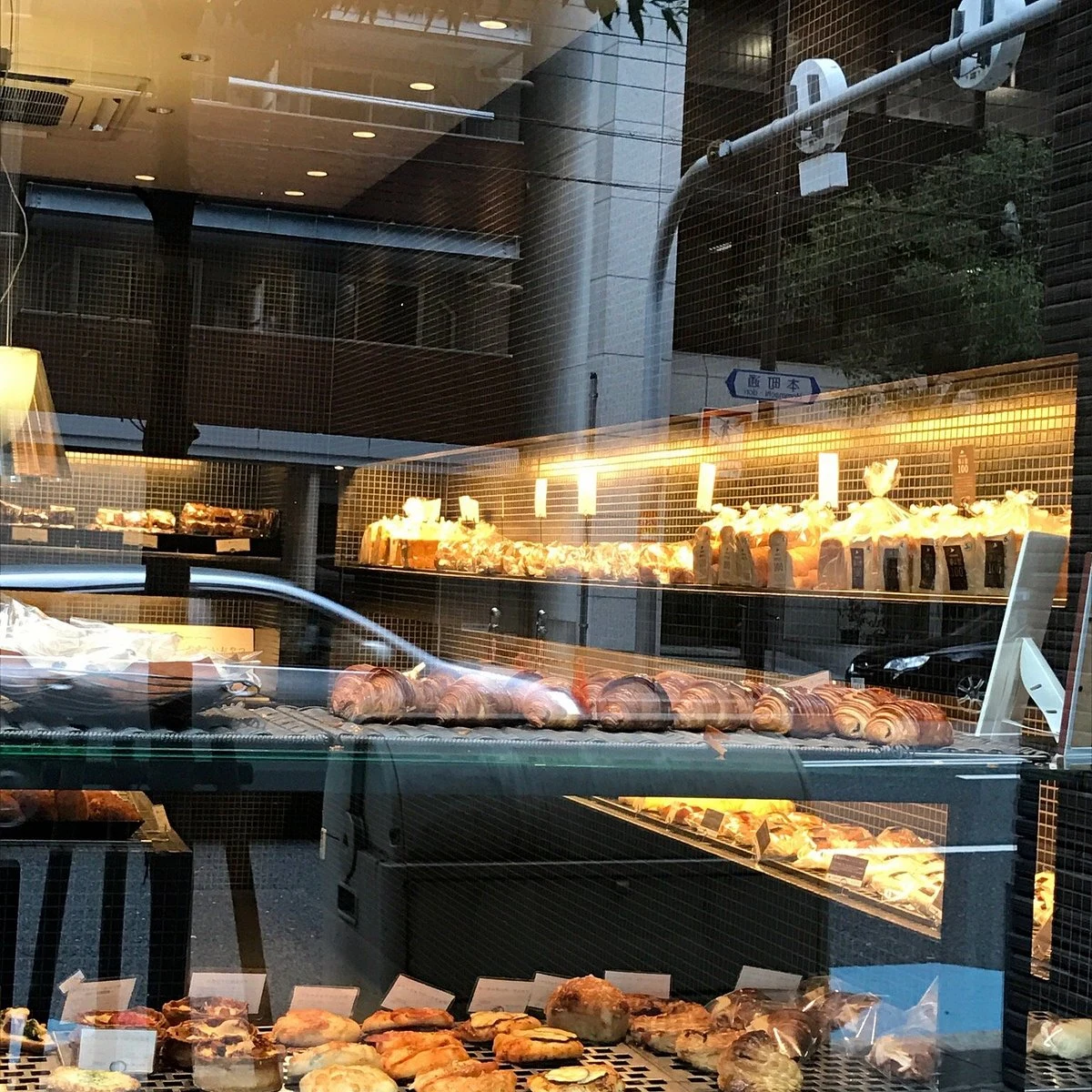
Osaka’s bakery culture is not a soft-focus add-on to the city’s dining scene. It is a daily-use category with its own competitive pressure: commuters, office workers, families, and pastry obsessives all judging the same counters by freshness, range, and timing. Boulangerie & cafe gout belongs to that practical Osaka rhythm, operating as a bread, sandwich, and cafe stop rather than a dressed-up restaurant experience. The room is compact, the format is direct, and the decision-making happens quickly: eat in if space allows, carry out if the day is moving faster.
That matters because Osaka rewards food that can function at street level. The city’s better-known eating traditions often lean casual in format but exacting in execution, and bakeries fit neatly into that pattern. A place selected for Tabelog Bread WEST “Tabelog 100” in both 2020 and 2022 is being judged inside a crowded western Japan bakery field, not simply against neighborhood convenience. For travelers, that award signal is useful: it separates a casual bread stop from a bakery worth planning around when the day’s route runs through central Osaka.
Osaka bread culture, without restaurant ceremony
Japan’s urban bakery scene has long absorbed French technique, local breakfast habits, sandwich culture, and convenience-led takeaway into a category that feels less formal than patisserie but more exacting than a cafe counter. In Osaka, the strongest examples tend to be useful first: places where a morning purchase, a lunch sandwich, and a coffee break can all make sense without changing venue. Boulangerie & cafe gout sits in that lane, with its bread, sandwich, and cafe categories doing more editorial work than a chef biography would.
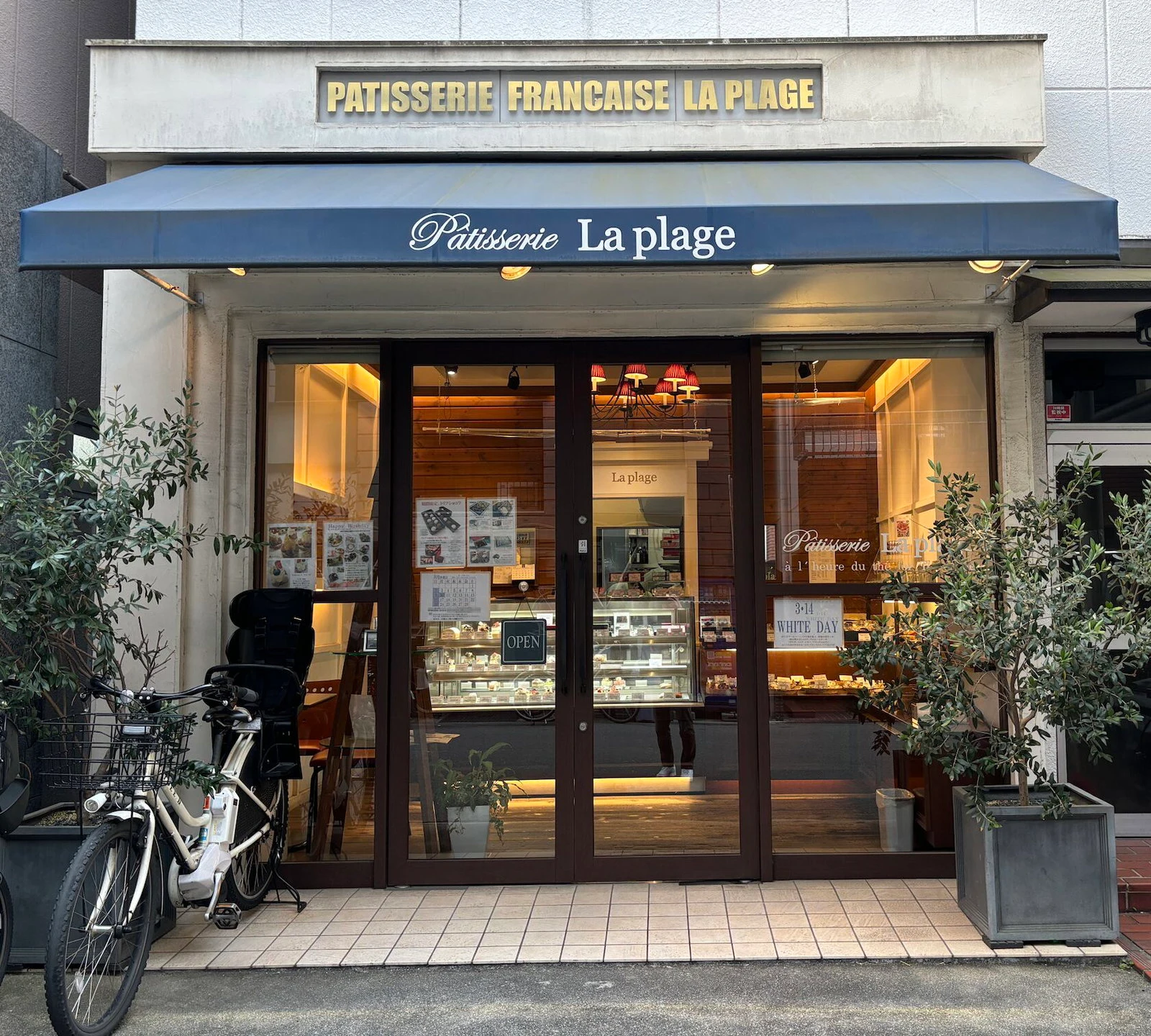
The absence of reservations changes the experience. This is not a table to secure weeks ahead; it is a timing play. In a city where high-demand sushi, kappo, and tasting-menu rooms often turn access into a separate skill, a bakery-cafe shifts the calculation. The informed move is to treat it as part of a walking day rather than a fixed lunch appointment. Compared with Osaka entries such as Ramen Tsuji, Yatagarasu Udon, Dahl, Patisserie La Plage, and Kamekichi, the appeal here is not a long meal arc. It is a shorter, more flexible stop inside the same broader culture of specialist casual dining.
The practical format also suits travelers who want Osaka beyond the evening reservation circuit. A bread counter can reveal a city’s everyday standards with less theater than a dining room. Selection turns over, regulars move decisively, and the strongest bakeries rarely need elaborate explanation. The Tabelog recognition gives this address a public credential; the cafe and takeout structure make it easy to fold into a day without reshaping the whole itinerary.
The planning advantage is flexibility, not scarcity
For a premium traveler, the phrase “no reservations” can sound like inconvenience. Here it is better read as category logic. Bakeries depend on cadence: production, display, sell-through, and the quieter windows between waves of customers. The experience is therefore less about booking access and more about building a route that leaves room for a short stop. This is where Osaka’s central geography helps. A bakery-cafe can sit between museum time, shopping, hotel check-in, or a later dinner without forcing a formal reset.
There is a useful distinction between destination restaurants and destination provisions. The former ask for a commitment; the latter improve the day around them. This address belongs to the second group. It gives visitors a way to eat well outside the usual lunch-dinner binary, especially when the schedule includes early starts, train transfers, or meals later in the evening. The budget category also keeps the decision low-risk compared with a full-service dining room, while the Tabelog Bread WEST “Tabelog 100” selections supply enough external validation to justify the detour.
Its 20-seat scale reinforces that point. A small cafe space should be treated as a bonus rather than the entire premise. Takeout is part of the format, and that makes the bakery more resilient for travelers: if seats are occupied, the visit does not fail. The better expectation is a quick purchase with the option to pause, not a long cafe session built around guaranteed seating.
Where it fits in an Osaka food day
Osaka dining itineraries often overload the evening and underthink the hours before it. That is a mistake. The city’s casual categories, from noodles to bakeries to department-store food halls, carry much of its character. For readers mapping a broader trip, Our full Osaka restaurants guide gives the wider dining frame, while Our full Osaka hotels guide, Our full Osaka bars guide, Our full Osaka wineries guide, and Our full Osaka experiences guide help structure the rest of the stay.
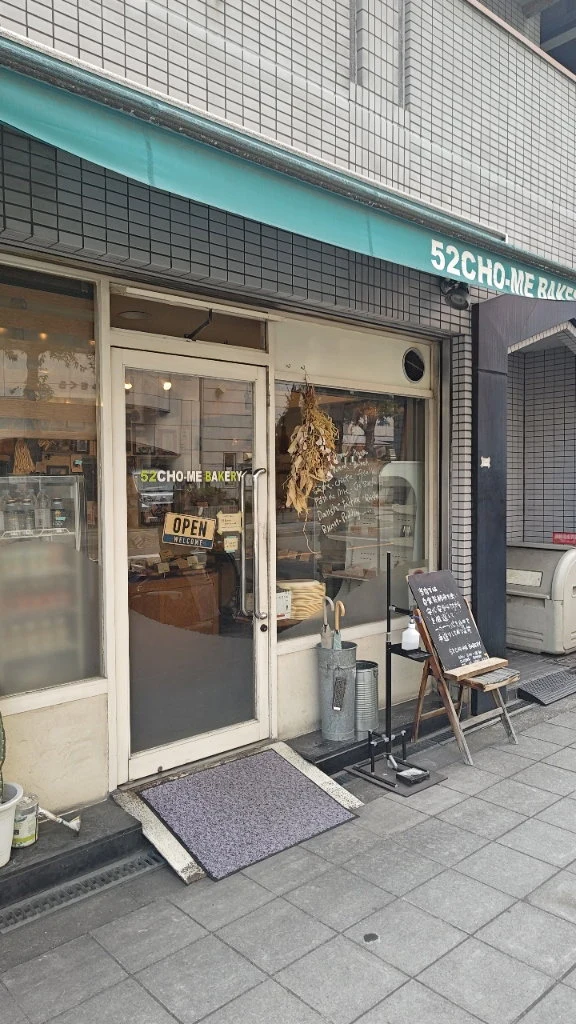
Within that map, bakery-cafes make particular sense on days when dinner is the anchor. Nearby categories can create a useful sequence: coffee or bread at.cafe or 52CHO-ME BAKERY, a classic Osaka snack reference such as 551 Horai (551蓬莱), then a more structured meal at 99 Pizza Napoletana Gourmet or a canto (Italian). The point is not to rank them against one another; it is to understand how Osaka lets serious eating happen across different levels of formality.
Travelers building Japan-wide food routes can also place this bakery-cafe beside more specialized stops elsewhere: -Grilled beef Sukiyaki- KAMAKURA TANUKIAN 鎌倉 たぬき庵 in Kamakura,. 鮪と炭火焼き うお炭 秋葉原店 in Tokyo,.know in Kumamoto, (Shoku) Vietnam in Kawasaki, [Curry Senmon Ten] Maruyama Kyoju. in Sapporo, and [ki:] in Kyoto. For North American detours with a Japanese drinking or snack vocabulary, Jōdo Saké Bar in Los Angeles and Onigiri Time in Pasadena show how portable these formats have become.
The editorial case is simple: this is an Osaka stop for travelers who understand that access is not always about reservations. Sometimes it is about arriving with the right expectations, reading the format correctly, and letting a serious casual address do what it does well without demanding restaurant theater from it.