Why go
A hundred kinds of bread, and a mochi croissant
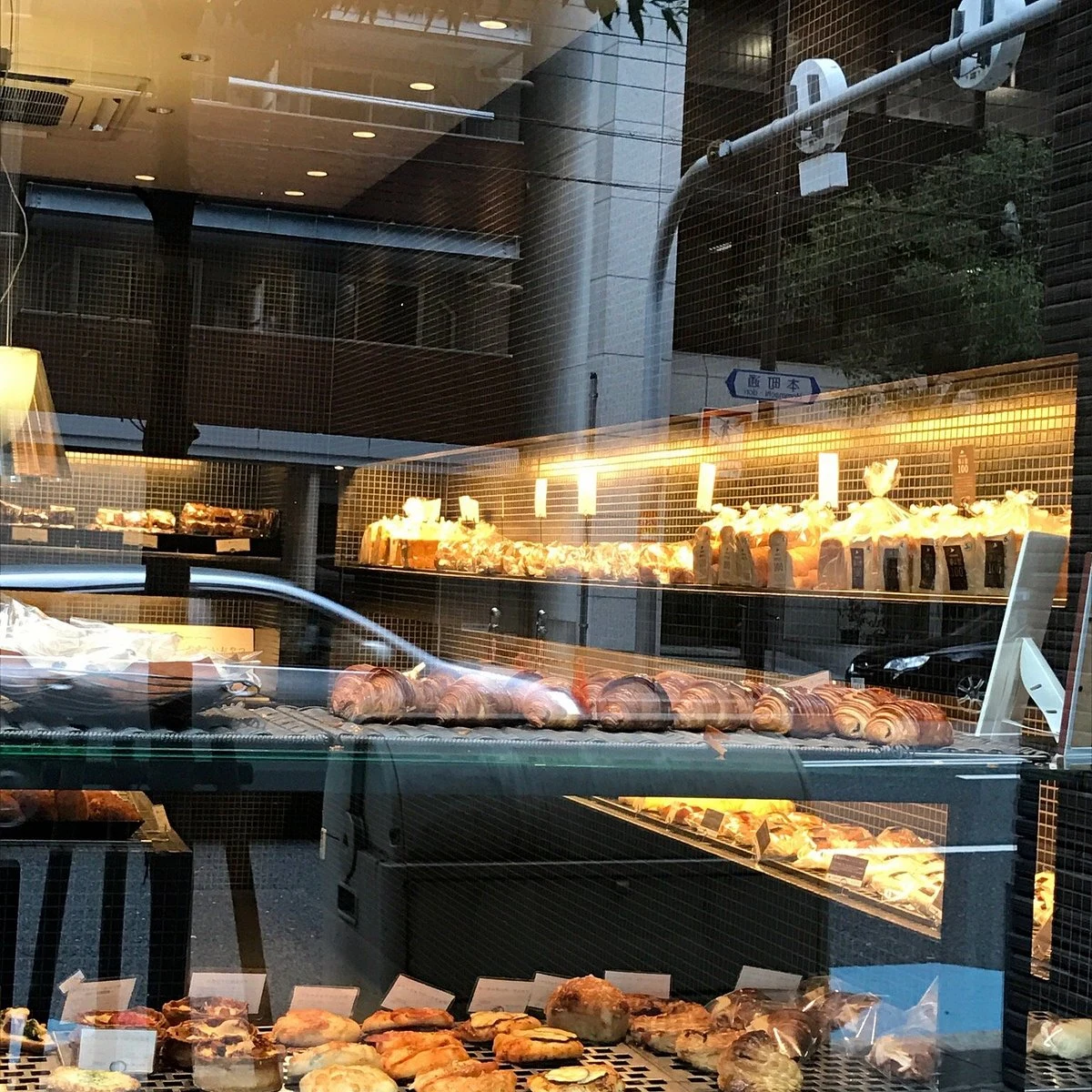
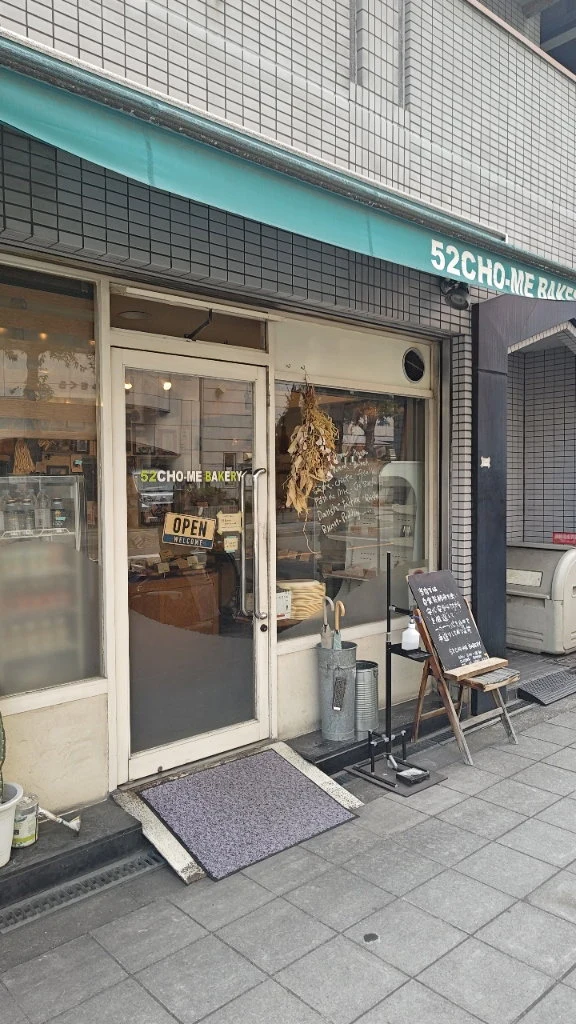
The case at 52CHO-ME BAKERY runs to something like a hundred kinds of bread and pastry, which is the first thing to know and the reason the shop rewards a slow look before choosing. Bagels and sandwiches sit among the everyday loaves as fixtures rather than occasional extras, and the sweet end leans French-Japanese, with crisp flaky layers and rich cream. The mochi red bean croissant is the item that names that whole approach. That breadth is unusual for a shop this size, and it means the case changes character through the morning as different batches come out. The bakery works as a take-out counter in the Noninbashi area of Osaka’s Chuo Ward, and it was named to the Tabelog 100 in 2022.
A quick stop rather than a long sit
This is a retail bakery, not a café, and a visit tends to last about a quarter of an hour: read the case, choose what looks best that morning, carry it out. The atmosphere is neighbourhood rather than designed, with European-style baking as the frame and Japanese fillings as the thing that makes the case distinctive and no attempt to turn the shop into a destination. That suits the way it gets used, as part of a walk to or from the station, or as the bread for the rest of the day at home.
Order the mochi red bean croissant
Start with the mochi red bean croissant, the most distinctive named item here. It puts croissant lamination, mochi and red bean into a single pastry, so it demonstrates the French-Japanese direction faster than anything else in the case: flaky layers against a chewy centre, with the sweetness of the bean paste held in check by the butter. Take a bagel next, since bagels are one of the shop’s identity items and they give the plainer, chewier counterpoint. A sandwich is the practical third choice if the bag is standing in for lunch. Cream-filled sweet pastries are the other half of the French-Japanese thread and worth adding while the display is full. Between them, those three cover both halves of the bakery, the pastry side and the everyday bread side, and the remaining ninety-odd items leave plenty of room to add whatever looks strongest in the display that day.
Frequently asked questions
What should I order at 52CHO-ME BAKERY?
The mochi red bean croissant, which combines croissant lamination with mochi and red bean and shows the bakery’s French-Japanese direction in one item. Bagels are the other identity product and give a plainer, chewier counterpoint, while the sandwiches are the practical choice if the order is standing in for lunch.
How big is the selection at 52CHO-ME BAKERY?
Around a hundred kinds of bread and pastry, which is wide for a shop this size and the reason it is worth reading the whole case before choosing. The range covers everyday loaves, bagels, sandwiches and cream-filled sweet pastries, with the mochi red bean croissant as the signature.
Compare nearby places
| Venue | Type | Area |
|---|---|---|
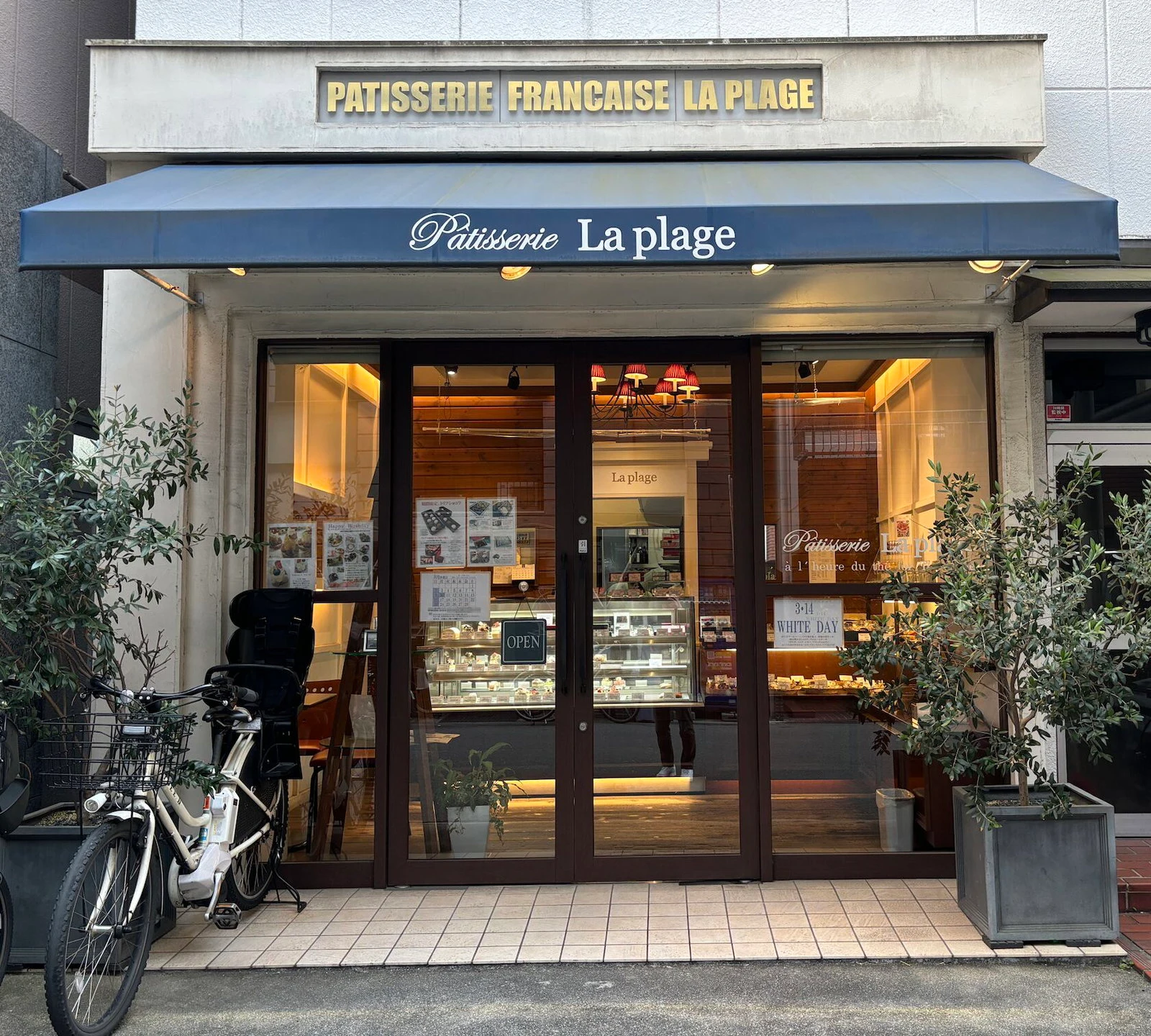
| Patisserie La Plage | Bakery | Chuo Ward |
| Boulangerie goût | Bakery | Chuo Ward |
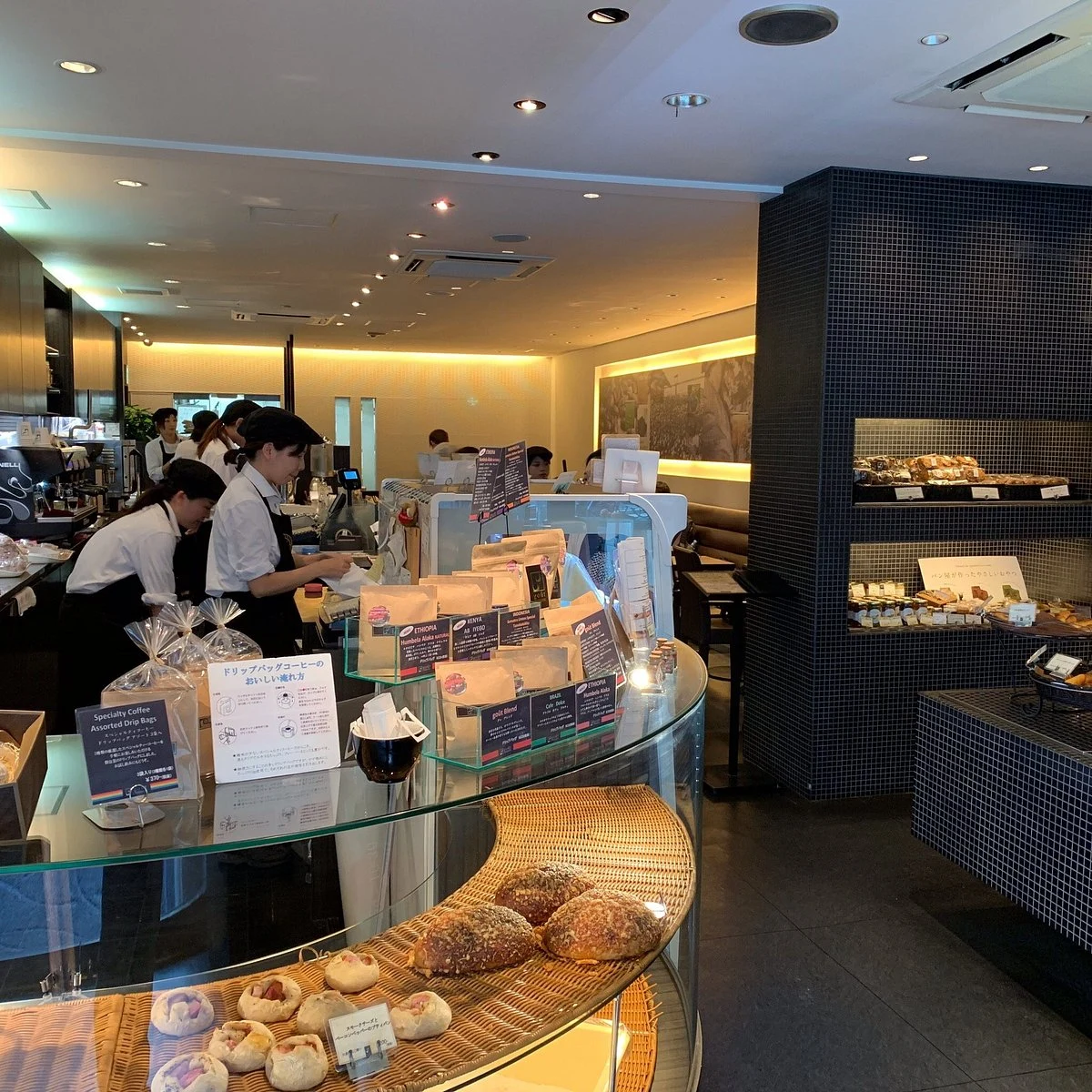
| Boulangerie & cafe gout | Bakery | Tanimachi 4-chome / Chuo Ward |
| LA PATISSERIE KATSURA | Bakery | Temma |
| Boulangerie Takagi | Bakery | Nishi-ku |