Chuo Ward

Patisserie La Plage

BakeryPatisserie4.1 on GoogleAbout $7 a head
Patisserie La Plage

Why go

Kitashinmachi is not the theatrical face of Osaka eating. Around Tanimachi 4-chome, the rhythm is more civic than neon: office workers, residential side streets, and small counters that do not need a dramatic frontage to hold local attention. In that setting, the city’s patisserie culture reads differently from the department-store dessert floor. The purchase is quick, the choice matters, and the shop’s reputation has to travel through repeat custom rather than a long dining-room performance.

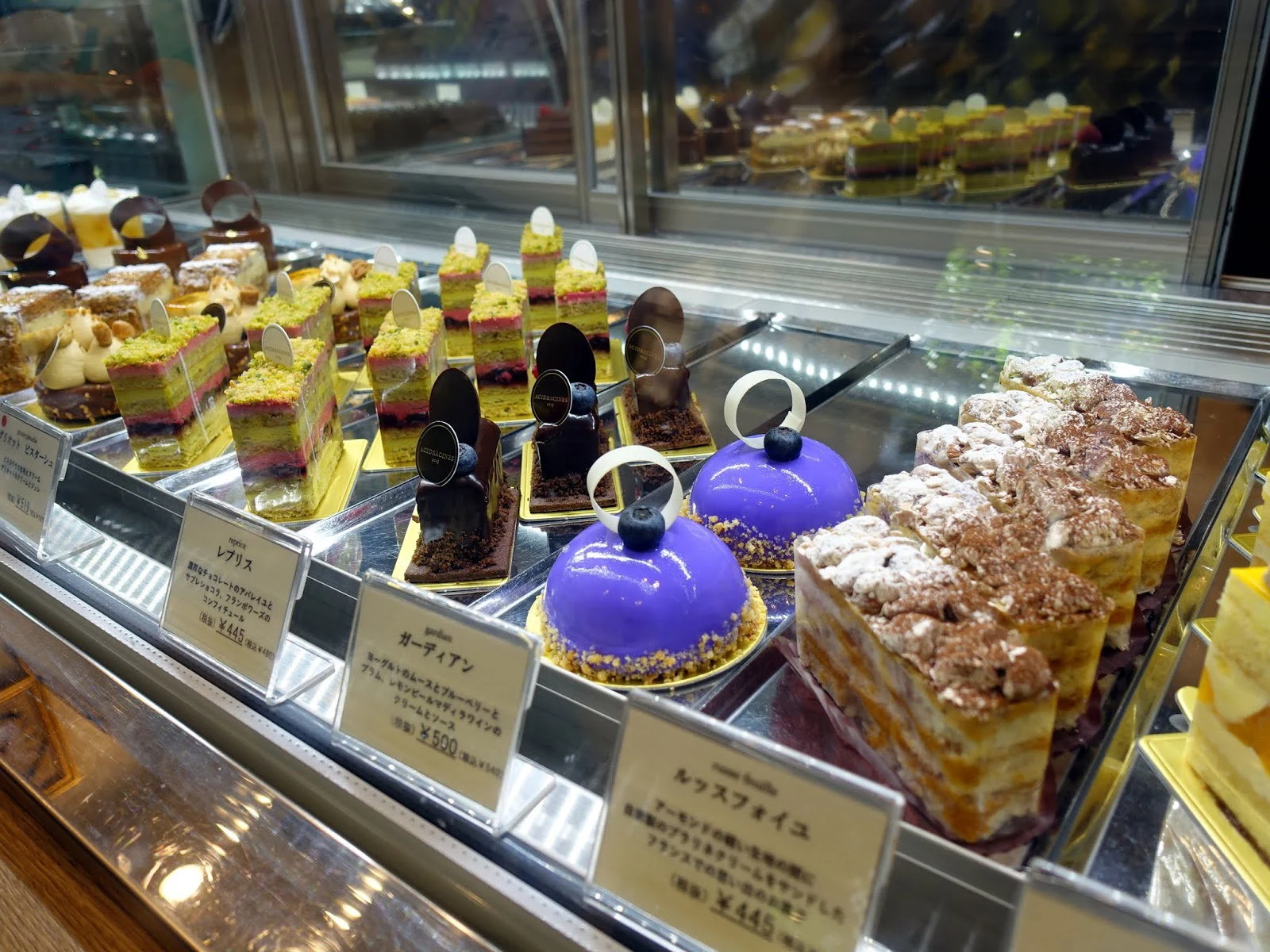
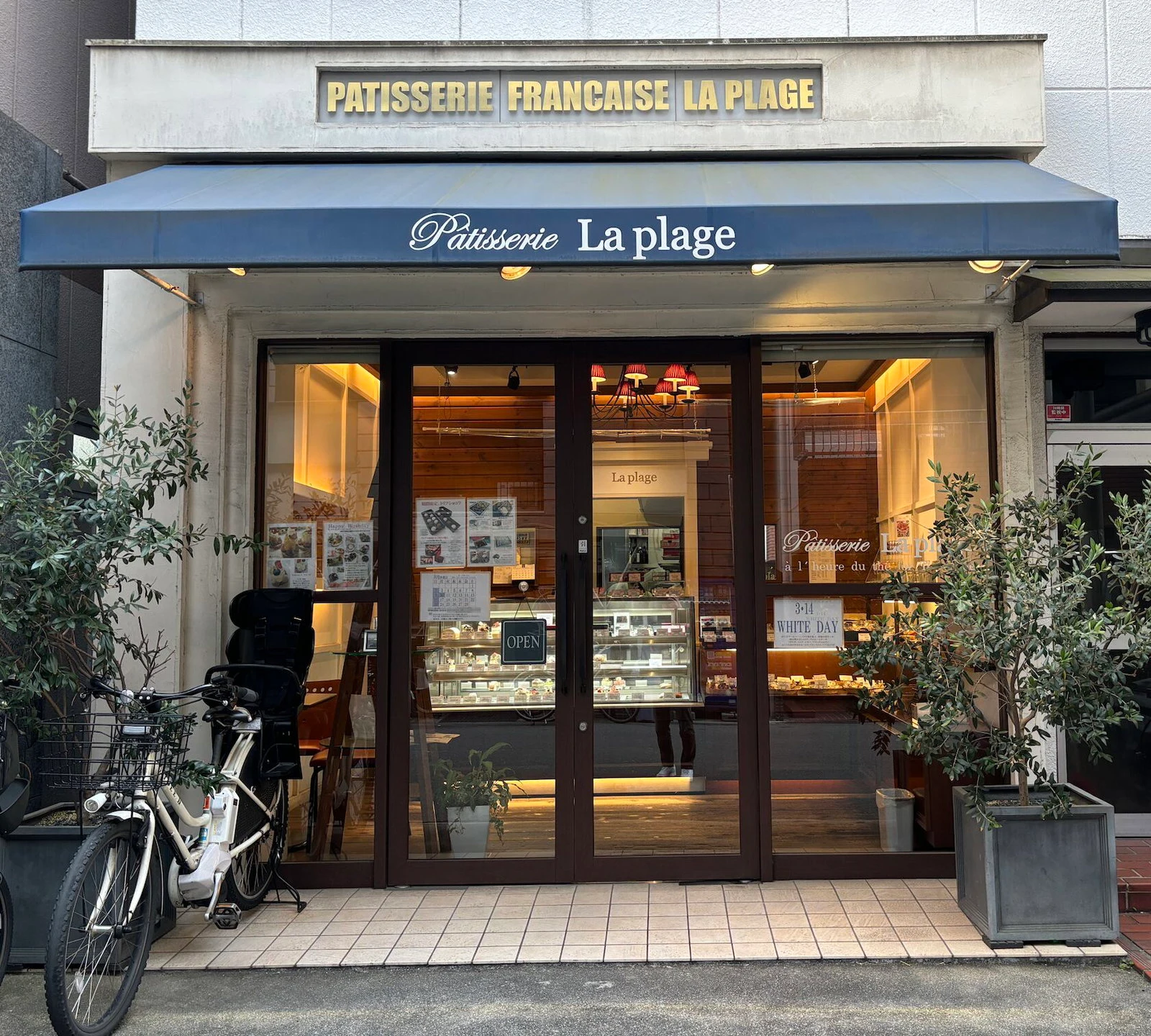
Patisserie La Plage sits in this practical Osaka register. It is categorized around cake, operates with a takeaway-led format, and has only two seats, so the experience belongs to the short-list-and-carry-out school of Japanese sweets buying. That detail matters. In Japan, serious patisserie is often judged in the moment before dinner, as a host gift, a family purchase, or a precise single portion rather than as a plated restaurant course. The discipline is in consistency, not spectacle.

A small-format cake shop in Osaka's sweets circuit

Osaka’s dessert map is split between high-traffic stations, department-store counters, café hybrids, and neighbourhood specialists. The smaller shops often ask more from the visitor: less browsing theatre, less seating, more attention to timing and availability. Patisserie La Plage belongs to that last group, where the format pushes the decision toward takeaway and where a compact operation can compete with larger retail environments through reputation rather than scale.

The clearest credential is its selection for Tabelog 100 Sweets WEST in both 2022 and 2023. That places it inside a regional sweets conversation, not simply a local errand route. For a traveller, the award signal is useful because Osaka has many casual dessert stops, but far fewer small cake specialists with repeated recognition at this level. A 3.68 Tabelog score further suggests a shop with an established following rather than a novelty spike.

The price band also shapes the visit. With spending listed below ¥1,000, this is not the expensive pâtisserie-as-occasion model found in some hotel lounges or tasting-menu dessert programs. It is closer to Osaka’s everyday premium category: a focused cake purchase that can be folded into a day of eating rather than treated as the day’s main reservation. Compared with nearby casual references such as Dahl in the same sub-¥1,000 band, or Mori no Rakuda and Bonny’s Bake Shop in the ¥1,000–¥1,999 range, the value proposition is unusually narrow and efficient.

Why planning matters more than lingering

Booking experience here is not the grand restaurant problem of securing a counter months ahead. It is the more common Japanese sweets problem: arrive with enough margin, understand that seating is not the point, and treat selection as inventory-sensitive. A two-seat, takeaway-first shop changes the social contract. The sensible move is to build it into a route through central Osaka rather than expect a café pause.

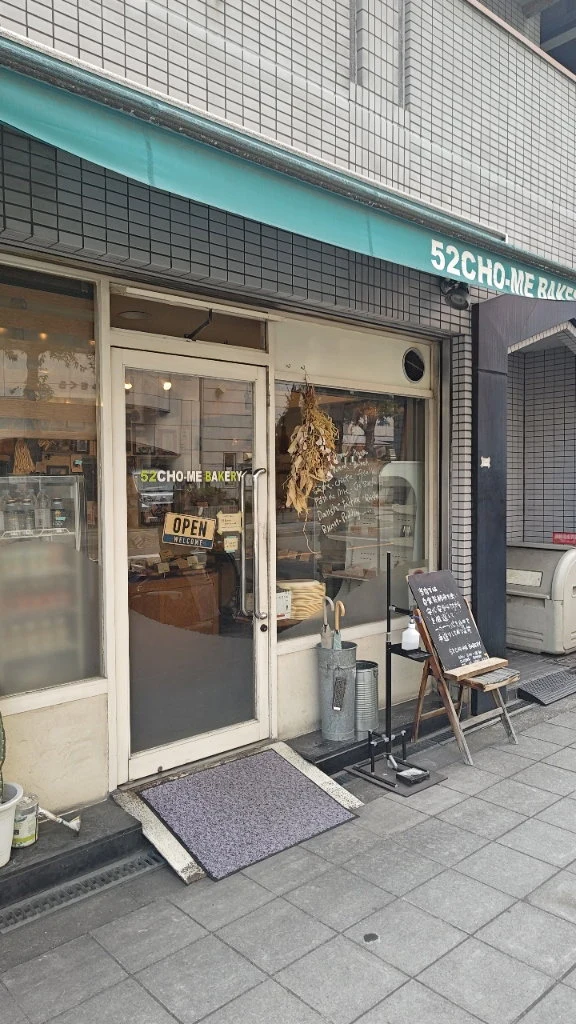
That makes the Tanimachi location useful. The area sits away from the city’s louder eating corridors but remains connected enough for a targeted stop. For travellers building a broader Osaka food day, it can sit alongside casual and specialist addresses rather than compete with a full meal. See the wider city spread in Our full Osaka restaurants guide, then compare formats: the bakery lane represented by 52CHO-ME BAKERY, the café register of .cafe, the takeaway gravity of 551 Horai (551蓬莱), and the sit-down Italian track at a canto (Italian) or 99 Pizza Napoletana Gourmet.

For a city where eating often moves between stations, counters, markets, and department stores, this kind of stop rewards restraint. The appeal is not a long room, a chef’s counter, or a named dégustation. It is the confidence of a cake shop that has been recognized in a regional sweets list and kept the visit small. That distinction is useful for visitors who have already scheduled sushi, yakiniku, kaiseki, or okonomiyaki and want a pastry stop that does not overtake the day.

How it fits a broader Osaka itinerary

Osaka’s strength is range. A serious day can include a compact patisserie, a casual pork bun counter, a pizza specialist, and a late bar without forcing them into the same category. Patisserie La Plage works because it does one narrow thing in a city that often rewards breadth. The editorial question is not whether it replaces dessert at a restaurant; it is whether a traveller wants to understand Osaka’s quieter sweets culture beyond the obvious retail floors.

That answer depends on itinerary design. Pairing a small cake shop with a central walk makes sense; crossing the city only for a long sit-down dessert would misread the format. Visitors planning a fuller stay can layer it with Our full Osaka hotels guide, Our full Osaka bars guide, Our full Osaka wineries guide, and Our full Osaka experiences guide. The broader Japan map also shows how specialized casual formats travel across cities, from [ki:] in Kyoto and.know in Kumamoto to [Curry Senmon Ten] Maruyama Kyoju. in Sapporo,. 鮪と炭火焼き うお炭 秋葉原店 in Tokyo, (Shoku) Vietnam in Kawasaki, and -Grilled beef Sukiyaki- KAMAKURA TANUKIAN 鎌倉 たぬき庵 in Kamakura.

Internationally, the same planning logic applies to compact food formats such as Jōdo Saké Bar in Los Angeles and Onigiri Time in Pasadena: the smarter visit respects scale. Here, that means treating the patisserie as a precise Osaka sweets stop, not a long reservation anchor. Its repeated Tabelog 100 Sweets WEST recognition gives the detour editorial weight; the small takeaway format tells the traveller how to use it.

Tags

CozyHidden GemClassicSoloCasual HangoutFamilyAfter WorkStandalone