Why go
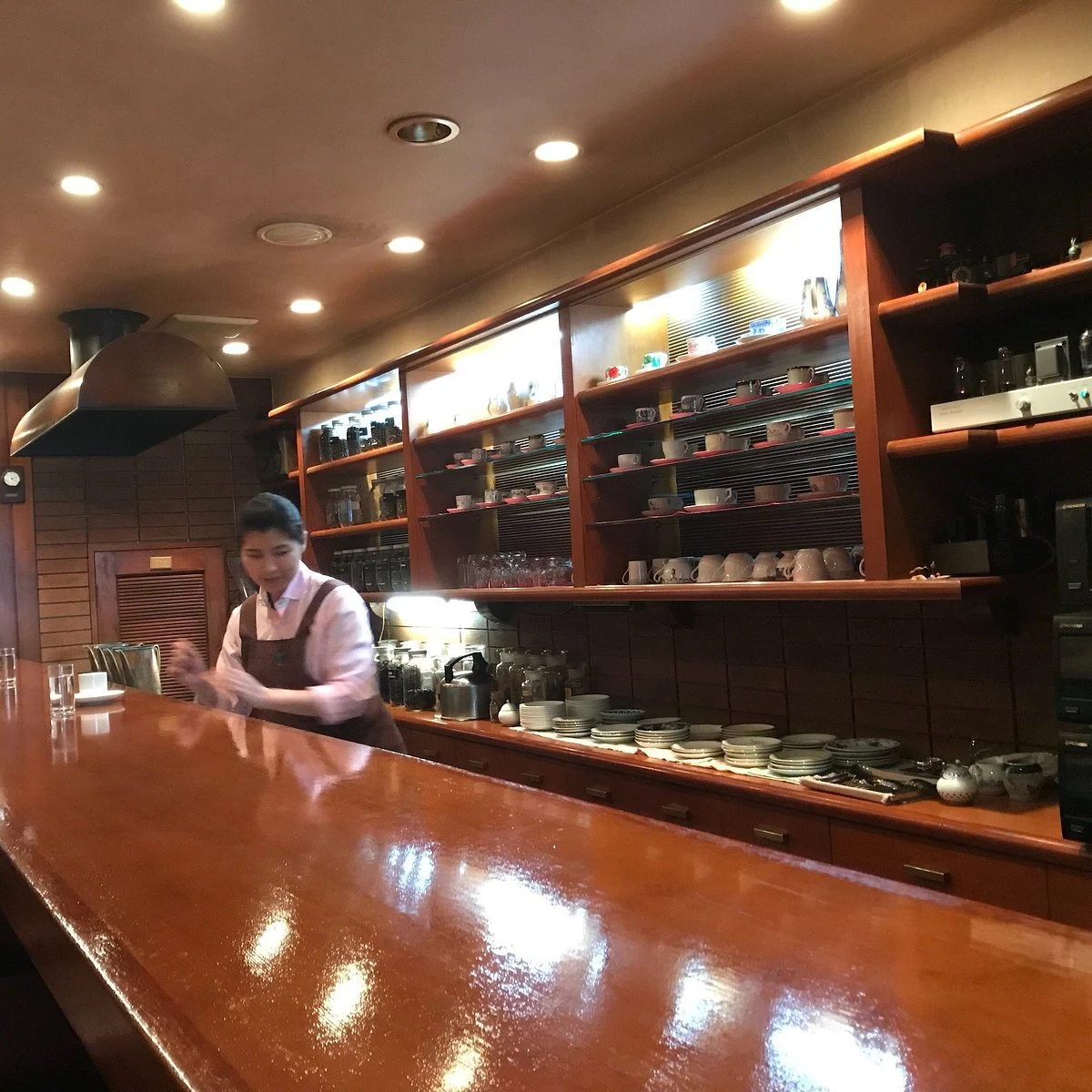
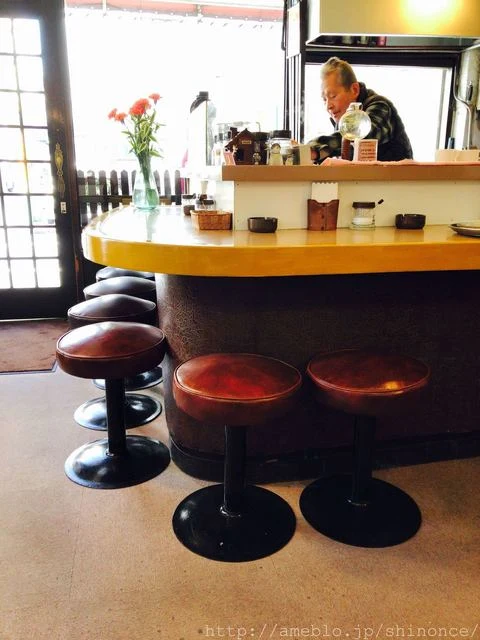
Ueno’s coffee rhythm is different from Aoyama’s polished espresso counters or Kiyosumi-Shirakawa’s roastery circuit. Around Yushima and Okachimachi, the older kissaten model still matters: compact rooms, low-key service, a regular-customer pace, and coffee treated less as lifestyle branding than as daily infrastructure. Zehn Coffee sits inside that tradition, close to Yushima Station, where the appeal is not spectacle but compression: an eight-seat room, four two-seat tables, and a category identity that reads as kissa first, café second.
That distinction matters in Tokyo. The city’s café scene has split into several tribes: third-wave roasters with light-roast precision, dessert-led cafés built for queue culture, hotel lounges priced for privacy, and kissaten that preserve a slower, older grammar of coffee drinking. The last group has had a quiet second life as younger drinkers rediscover rooms that were never designed for social-media turnover. Recognition from Tabelog’s Kissaten 100 in 2021 and 2022 places Zehn Coffee within that revival, but the stronger point is format. A small kissa with no reservation system competes on consistency, local habit, and atmosphere rather than novelty.
Tokyo's kissaten revival, in miniature
The evolution of Tokyo coffee over the past decade has not erased the kissaten; it has made the category easier to read. A new roastery can explain itself through beans, extraction methods, and merch. A traditional kissa has fewer signals. The reader has to look at scale, neighbourhood, price tier, smoking policy, payment habits, and whether recognition comes from coffee specialists or broader dining platforms. Zehn Coffee’s public profile is spare, which is common for the genre. Its Tabelog score of 3.72 and Kissaten 100 selections are useful because they give structure to a room that otherwise resists the usual restaurant shorthand.
Ueno is a good district for this kind of endurance. The area absorbs museum traffic, Ameyoko shoppers, office workers, students, and older local regulars without turning every counter into a concept. Nearby, Tsuruse Yushima honten occupies the same sub-¥999 everyday bracket from a different angle, rooted in Japanese sweets rather than coffee. Usagiya CAFE moves into a higher café spend, while da GIORGIO belongs to an unrelated restaurant price tier. Those comparisons are less about ranking than reader calibration: Zehn Coffee belongs to the low-cost, high-frequency side of Tokyo dining, where a short stop can carry more local texture than a longer meal built for visitors.
EP Club readers mapping the city by neighbourhood rather than checklist should treat this as part of a wider Ueno-Yushima day. The area pairs naturally with old-school sweets, department-store food halls, casual drinking, and museum routes rather than a single destination meal. For broader planning, Our full Tokyo restaurants guide gives the wider dining frame, while Our full Tokyo hotels guide, Our full Tokyo bars guide, Our full Tokyo wineries guide, and Our full Tokyo experiences guide help connect the coffee stop to the rest of a Tokyo itinerary.
What the room tells you before the menu does
An eight-seat coffee shop changes the social contract. It discourages the laptop sprawl common in larger cafés and pulls the visit back toward conversation, reading, or a short pause between errands. Four two-seat tables also make the scale legible: this is not a group venue, and it is not built for large-party planning. In a city where premium dining often signals seriousness through long tasting menus and hard reservations, the kissaten signal is almost the reverse. Limited capacity, modest spend, and no-reservation access create a different kind of scarcity, one governed by timing and patience rather than advance booking.
The format also shows how the category has adapted. Non-smoking status matters in the modern kissaten conversation because many older coffee rooms in Japan were historically tied to tobacco culture. A non-smoking small room makes the experience easier for international visitors and younger Tokyo customers without requiring the venue to abandon the kissa identity. Cash-only payment habits, common in smaller Japanese shops, also keep the rhythm closer to local routine than frictionless hospitality. The practical reading is simple: arrive with yen, keep the party small, and understand that turnover depends on the room’s natural pace.
Zehn Coffee should not be read against destination omakase counters or contemporary cocktail bars. It belongs to a softer but still competitive Tokyo category: places where reputation accumulates through repeat use. In that sense, its 2021 and 2022 Kissaten 100 selections function like a filter for travellers who want the older café tradition without guessing blindly. The awards do not turn a kissa into a luxury venue; they indicate that the room has earned notice within a category where understatement is part of the appeal.
How to fold it into a Tokyo food day
The better Tokyo itineraries avoid treating every stop as a headline meal. A morning or afternoon coffee in Ueno can sit between sharper dining commitments elsewhere: yakitori at 124. KAGURAZAKA (Yakitori), a casual curry stop at 3 Chome no Curry Ya San, or seafood-led cooking at. 鮪と炭火焼き うお炭 秋葉原店. Tokyo also rewards contrast: the graphic café theatre of 2D Cafe and the sharper urban tempo around 12/10 Shinjuku ten show how far the city’s café and casual dining formats now stretch from the kissaten baseline.
Outside Tokyo, the same mapping logic applies across Japan and beyond: compare category with category, not reputation with reputation. A kissa in Ueno has little in common with -Grilled beef Sukiyaki- KAMAKURA TANUKIAN 鎌倉 たぬき庵 in Kamakura,.cafe in Osaka,.know in Kumamoto, (Shoku) Vietnam in Kawasaki, [Curry Senmon Ten] Maruyama Kyoju. in Sapporo, or [ki:] in Kyoto. The comparison is useful because it clarifies intent: Zehn Coffee is for a compact, local coffee pause, not a full dining set piece. Even transpacific casual Japanese formats such as Jōdo Saké Bar in Los Angeles and Onigiri Time in Pasadena underline the same point. Japanese food culture travels in many forms, but the Tokyo kissa remains tied to neighbourhood scale, modest spend, and the discipline of staying small.