Why go
Beans roasted in the shop, brewed to the bean
The beans are chosen as specialty coffee and roasted in the shop, then brewed with whichever extraction tool suits the bean in hand. That last step is the character of the place: the method is picked per coffee rather than applied uniformly, so the cup lands on the flavour the roast was aiming at. Ichiroku Coffee Ten sells for home brewing as well, and the aim it sets itself is a good cup here and a good cup afterwards in someone’s own kitchen, plus the quiet coffee that follows a meal. Everything else on the menu sits behind that idea, which is why the baking and the small lunch service read as extensions of the coffee rather than as separate businesses running in the same room.
Nineteen seats and a kissaten pace
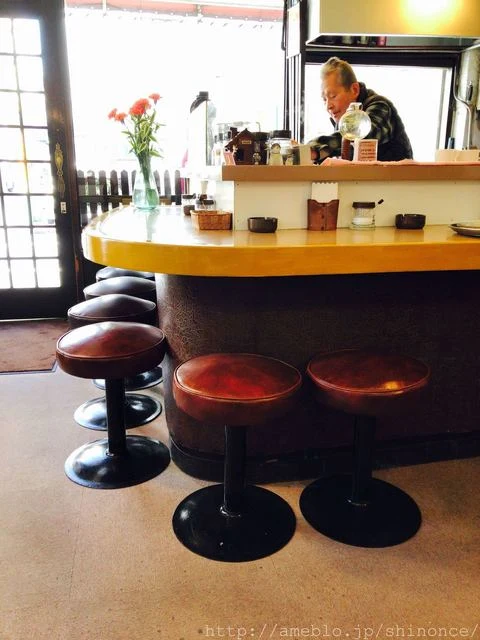
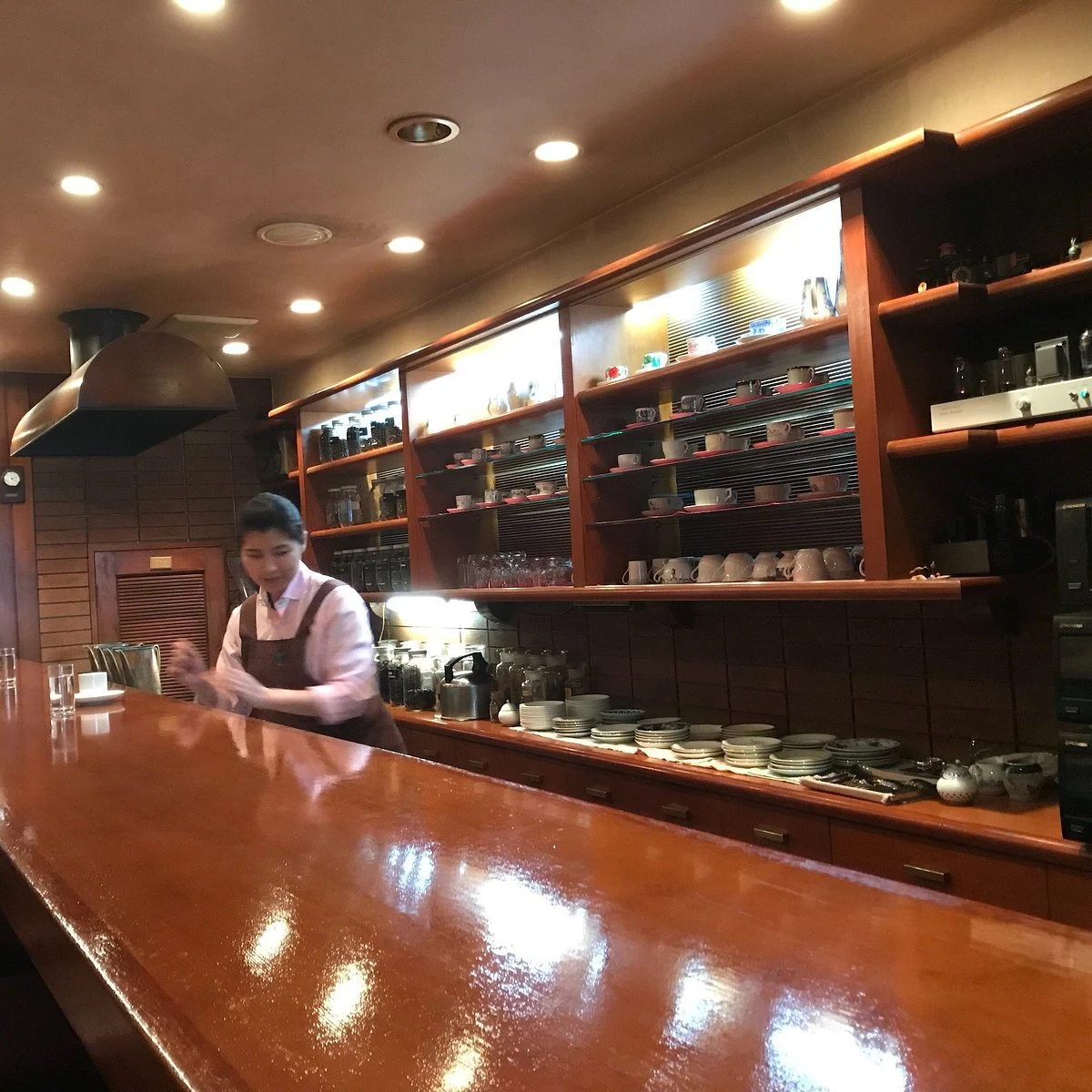
The room is compact, 19 seats across a counter and a few small tables, closer to an independent kissaten than to a café built for turnover, and a long way in feel from central Tokyo despite sitting in Tachikawa. The scale is what makes the method possible: roasting, brewing, baking and pairing all get direct attention because there is not much of anything to spread thin. Homemade baked goods and cakes are made to sit with the coffee, so the sweets belong to the coffee programme rather than arriving from a supplier. Lunch carries the same handmade logic, with fresh pasta made in house and a brown-rice risotto heavy on vegetables. The brown rice gives the risotto a plainer, more wholesome weight, and the vegetable emphasis suits a small kitchen cooking to order.
Coffee first, then the apple roll cake
Begin with the house-roasted coffee and let the counter choose the brewing gear for the bean. That is the clearest expression of what the shop does, and it is the reason to sit rather than take the cup away. Then pair it with something baked for the purpose: the apple roll cake is the sweet to look for, and there is a café chocolat made for people who want chocolate and coffee in the same mouthful. For a longer visit, lunch is a real option rather than an afterthought, with the fresh pasta, the brown-rice risotto and a sautéed sea bream on the plate side. The order that makes most sense here is small and sequential: a cup, a slice, and enough time to notice the difference between them.
Tags
Frequently asked questions
What should I order at Ichiroku Coffee Ten?
House-roasted coffee first, brewed with the extraction tool the counter picks for that bean. Pair it with the apple roll cake, the sweet to look for here, or the café chocolat made for people who want chocolate and coffee together. For a longer visit, lunch runs to fresh pasta and brown-rice risotto.
Does the shop roast its own coffee?
Yes. Beans are selected as specialty coffee and roasted on site, then brewed to suit each one rather than by a single fixed method. The shop also sells for home brewing, so the same coffee can follow you out of a 19-seat room built around a counter and a few small tables.
Compare nearby places
| Venue | Type | Area |
|---|---|---|
| Coffee Senmon Ten Tomii | Café | Kinshicho |
| CAFÉ FAÇON Nakameguro honten | Café | Nakameguro |
| Juichibo Coffee Ten | Café | Ginza |
| Jikaseibaisen Coffee Mijinko | Café | Bunkyo / Yushima |
| Sumida Coffee | Café | Kinshicho |