Why go
Self-roasted coffee, poured cup by cup
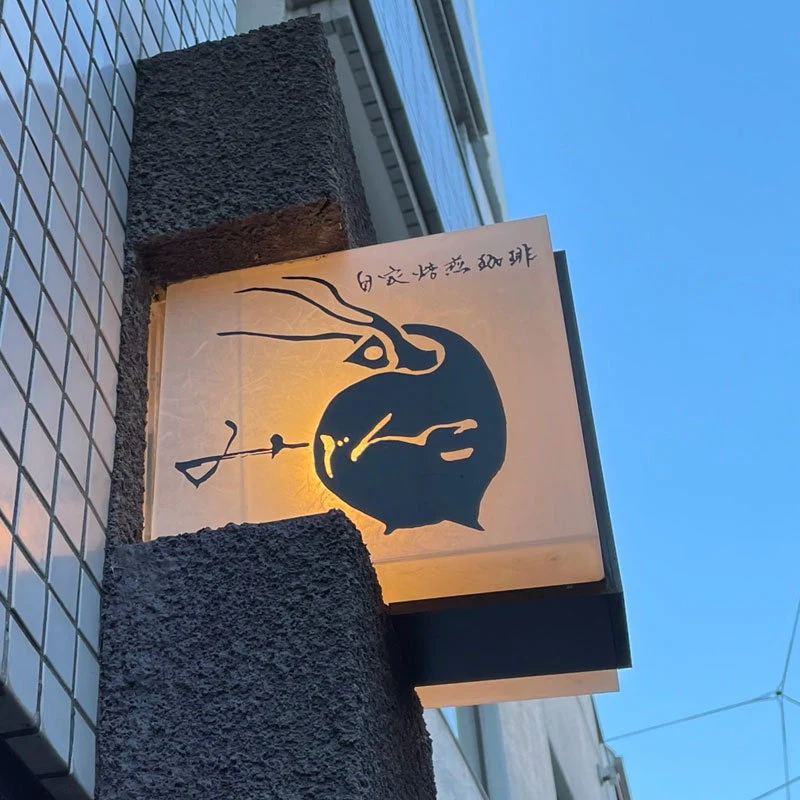
The roasting happens in-house, and everything on the drinks list follows from it. Jikaseibaisen Coffee Mijinko works in Yushima, in Bunkyō, as a self-roasting specialist whose programme is coffee-led rather than chef-led. There are original blends, single-origin drip, arranged drinks and seasonal drinks, so the same roasting decisions arrive in several forms instead of one house cup. Sweets and light food are designed beside that coffee rather than bolted onto it: hot sweets made to order, a hot cake the house treats as its central piece, and a pudding sold nowhere else. That pairing is what makes this a place to sit down in rather than a counter to collect a cup from.
A kissaten register, brought up to date
The concept rests on the idea that something apparently simple can be far more complex than it looks, which is a fair description of the café itself. Coffee is framed less as a drink than as a mood: somewhere to drink well, slow down, and sit slightly outside the ordinary run of a day. The room reads as a modern reinterpretation of an older coffeehouse atmosphere rather than a stripped-back roaster bar, pairing specialty-coffee seriousness with the warmth of a kissaten. It is also built to be comfortable for people arriving alone, something the house says plainly and arranges the seating around. Yushima puts it within reach of Ochanomizu, in a part of Tokyo used by locals, students and dessert-minded visitors alike, and the shop was named at number 65 on the Tabelog 100 for 2025.
Drip first, then the hot cake
Order the drip coffee first, choosing between an original blend and a single origin if both are running. It is the most direct route into the roasting, and it is the cup the rest of the menu is built to sit beside. If straight coffee is not the mood, the arranged and seasonal drinks belong to the same architecture and pair more easily with dessert. Then build the food order around the hot cake and the pudding. The hot sweets are made to order and are meant to be eaten the moment they land, which is the whole point of the format. The pudding is the item you cannot get anywhere else, and it gives the table a second dessert with a cooler, looser texture.
Tags
Frequently asked questions
What should I order at Coffee Mijinko?
Start with the drip coffee, choosing an original blend or a single origin, since the house roasts its own beans and that is the most direct read on them. Then order the hot cake, which is made to order and meant to be eaten straight away, and add the pudding for a second dessert with a cooler texture.
Is it comfortable to come alone?
That is close to the point of the place. The house states plainly that it wants guests arriving alone to feel at ease, and the seating is arranged with that in mind. The register is a modern take on an older kissaten rather than a stripped-back roaster bar, so the room suits sitting with a coffee and a hot sweet.
Compare nearby places
| Venue | Type | Area |
|---|---|---|
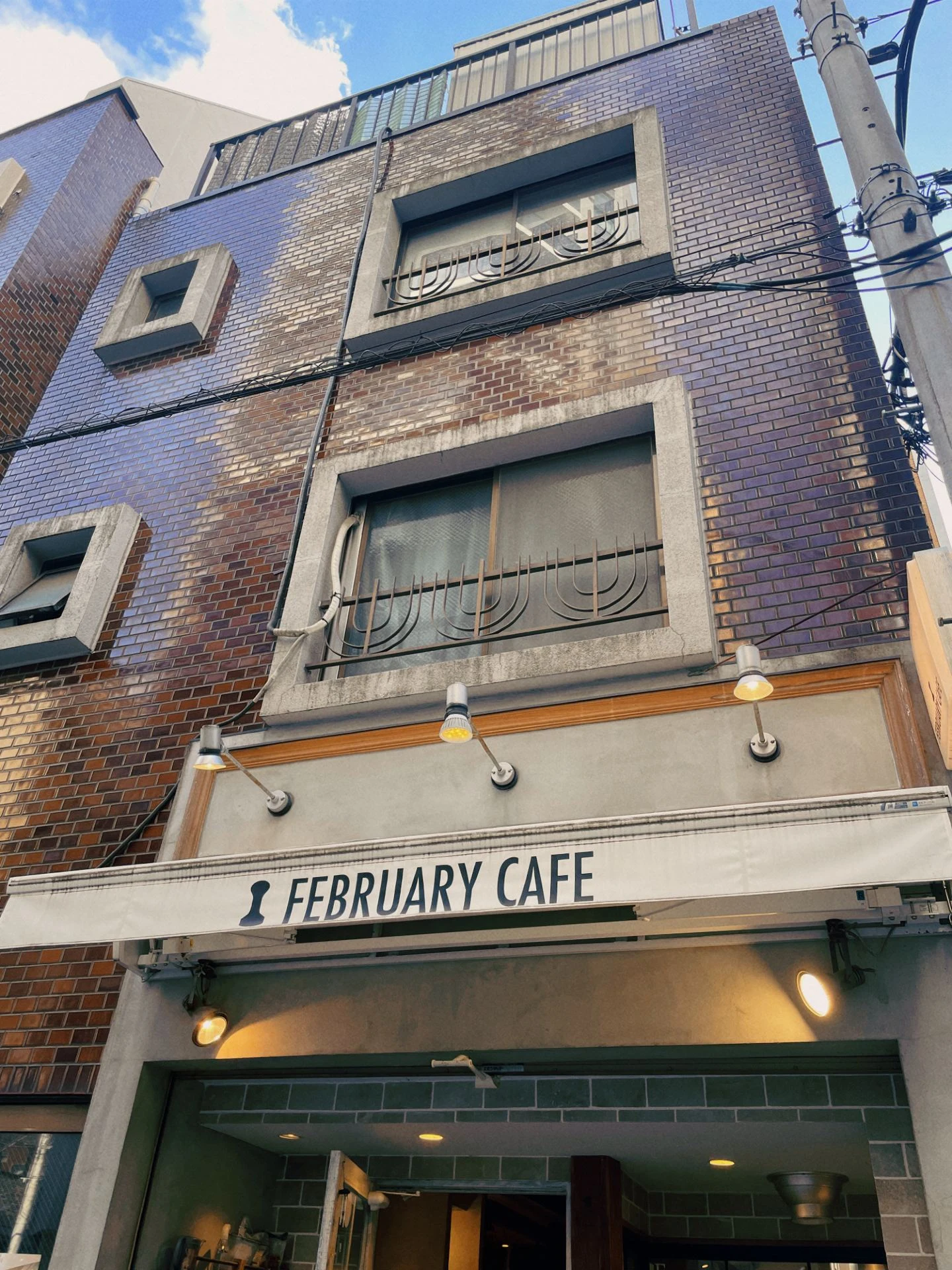
| FEBRUARY CAFE | Café | Asakusa / Taito |
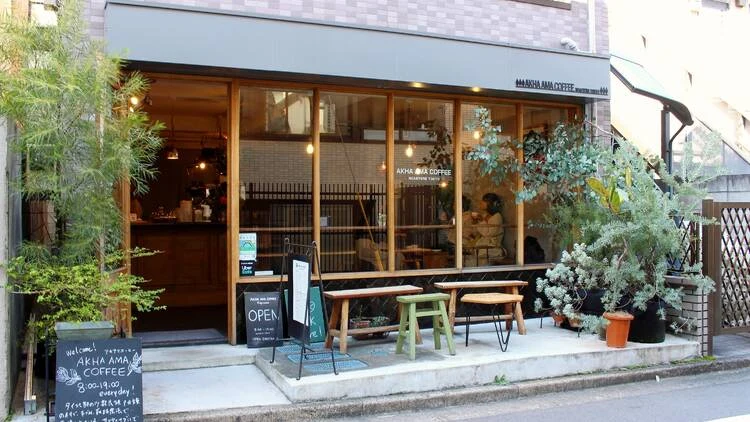
| AKHA AMA COFFEE Kagurazaka | Café | Kagurazaka |
| Coffee Senmon Ten Tomii | Café | Kinshicho |
| Sumida Coffee | Café | Kinshicho |
| All Seasons Coffee | Café | Shinjuku |