Why go
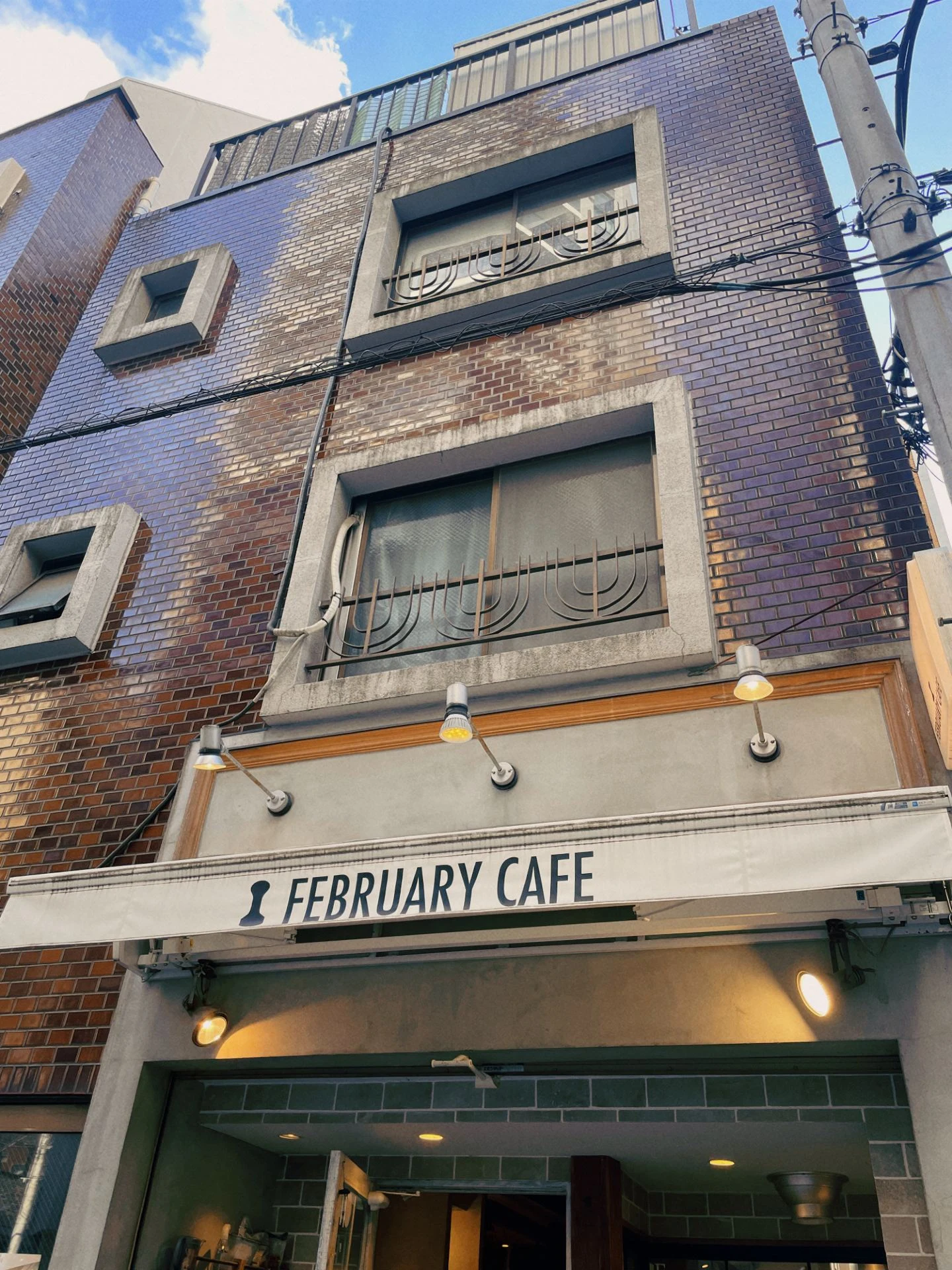
A handful of counter and table seats, a few more outside on the terrace, and coffee brewed with deliberate care. FEBRUARY CAFE is a small coffee shop on a quiet Komagata side street, away from the traffic that runs through this part of Tokyo.
Coffee brewed with care
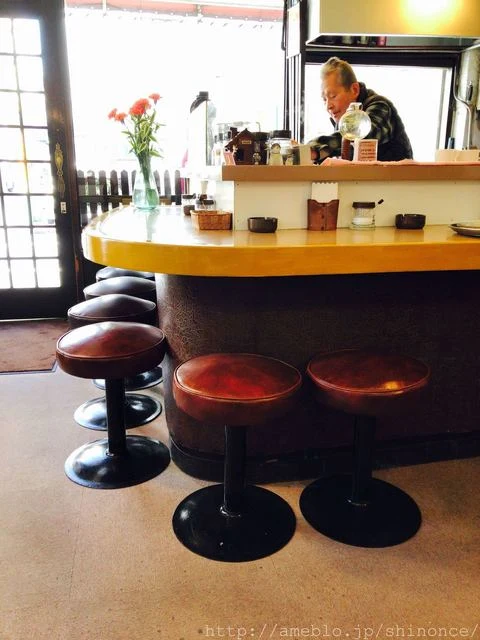
Drip is the method, and the room is scaled to it. A small counter means each cup gets attention that a high-volume operation could not give it, and it sets the pace of the whole visit: you wait a little, and the waiting is part of the arrangement rather than a delay. This is the older Tokyo coffee-shop model, where the brewing is done in front of you at a pace nobody is trying to shorten. It is a different contract from the chains: fewer seats, longer waits, and an expectation that you are here for the coffee rather than for somewhere to put a laptop. The trade is worth making if you are not in a hurry, and not worth making if you are.
A quiet room and a terrace
Seating splits between a counter, a few tables and a small terrace, which gives you three quite different visits in one address. The counter suits a solo cup and a book. The tables suit two people talking. The terrace is the seat to take when the weather allows, and it is the reason to arrive early enough to have a choice. The side-street location keeps the noise down, and the room is quiet enough that a low conversation carries. Komagata sits east of the centre in an unglamorous stretch of Taito, close enough to the tourist route to be convenient and far enough off it to stay calm on a weekend morning.
What to order
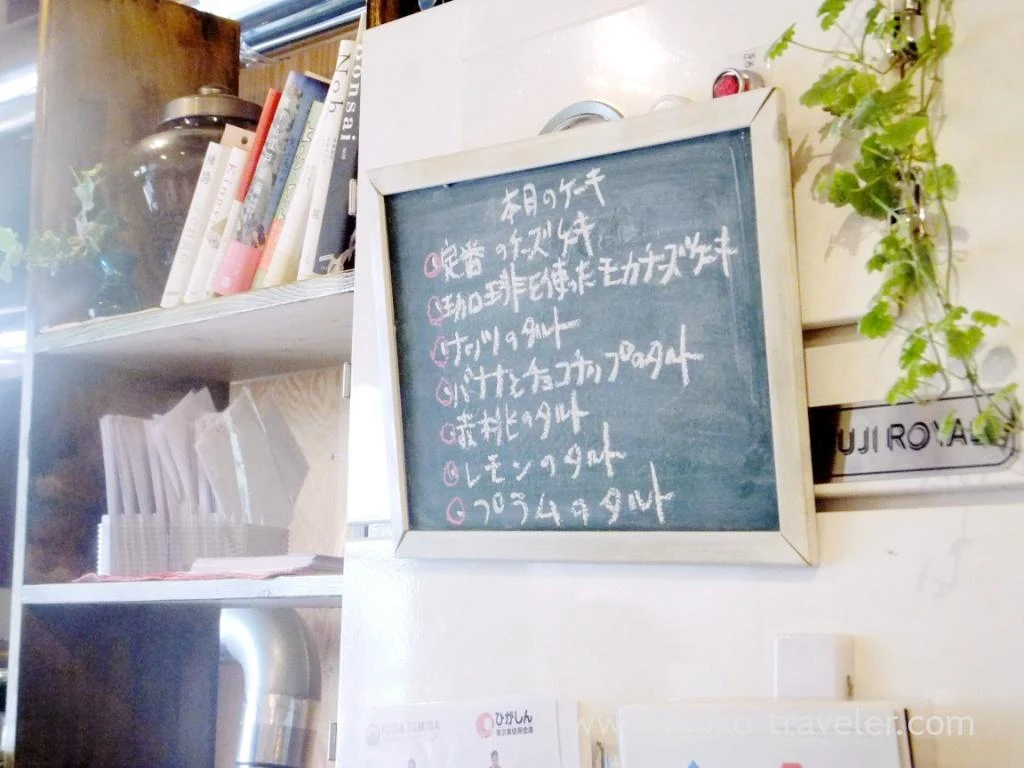
Order the drip coffee, since that is what the place is built around, and add toast if you want something with it. The food runs to light plates rather than a full menu, which suits the size of the kitchen and the shape of the visit. Treat it as a slow stop rather than a fast one: a cup, something on the side, and an hour that does not need to go anywhere. Arriving outside the busiest part of the morning gives you a better chance of the seat you want, and the small room rewards patience more than planning.
Tags
Frequently asked questions
What should you order at FEBRUARY CAFE?
Drip coffee, which is what the shop is built around, with toast alongside if you want something to eat. The food runs to light plates rather than a full menu, matching the size of the room. It is a slow stop by design, so allow more time than a takeaway coffee would need.
How big is FEBRUARY CAFE?
Small. Seating comes down to a handful of counter and table places indoors plus a few terrace seats outside, which is why arriving early enough to choose your seat matters. The counter suits a solo visit, the tables suit two people talking, and the terrace is the seat to take in good weather.
Compare nearby places
| Venue | Type | Area |
|---|---|---|
| Jikaseibaisen Coffee Mijinko | Café | Bunkyo / Yushima |
| Coffee Senmon Ten Tomii | Café | Kinshicho |
| Sumida Coffee | Café | Kinshicho |
| AKHA AMA COFFEE Kagurazaka | Café | Kagurazaka |
| All Seasons Coffee | Café | Shinjuku |