Why go
Thai coffee with a village behind it
The coffee here comes from northern Thailand, and the supply chain is the story. Akha Ama began in 2010 when a young man from a village of about 300 people opened a small coffee shop using his mother's coffee; the name itself means mother in the Akha language. The business calls itself a socially empowered enterprise, and profits return to the village that grows the crop.
The Kagurazaka café opened in 2020, after two shops in Chiang Mai and a larger roastery café outside the city, making it the Tokyo end of that chain. Growing, processing, roasting and brewing are all treated as part of the same sustainable programme, with agroforestry and traceability at the centre of it rather than as an afterthought.
A small room on a Kagurazaka backstreet
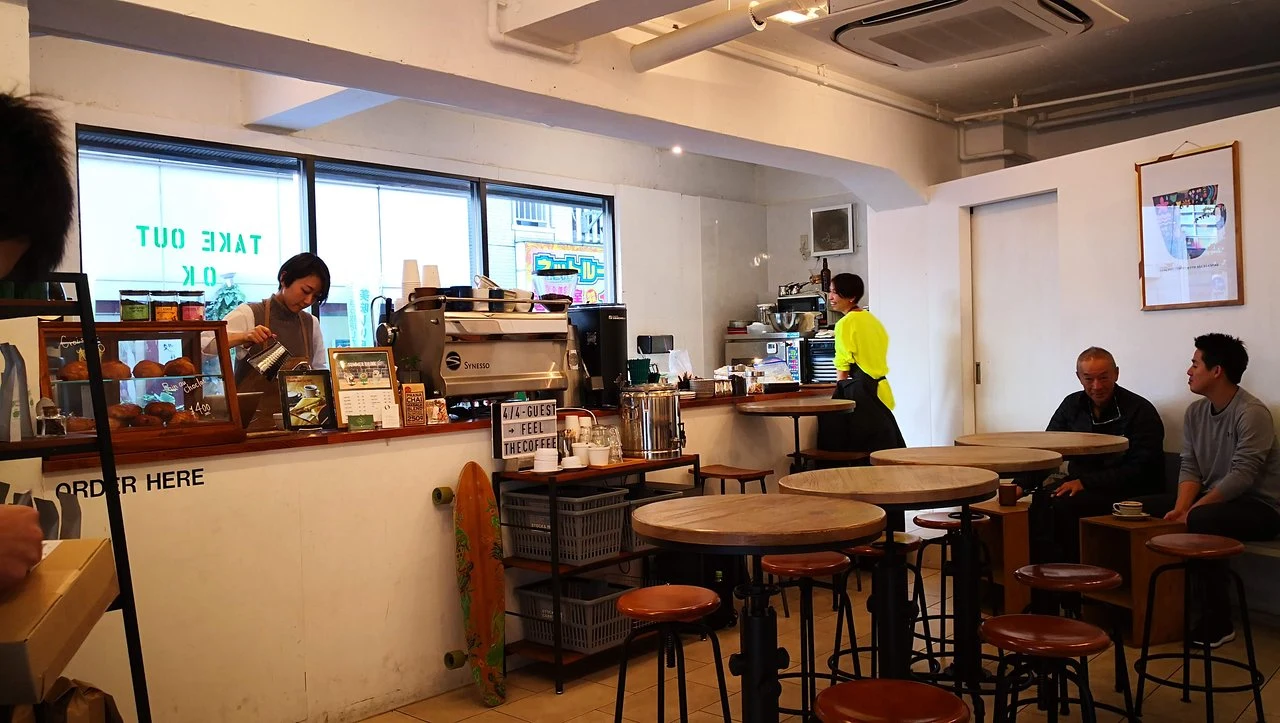
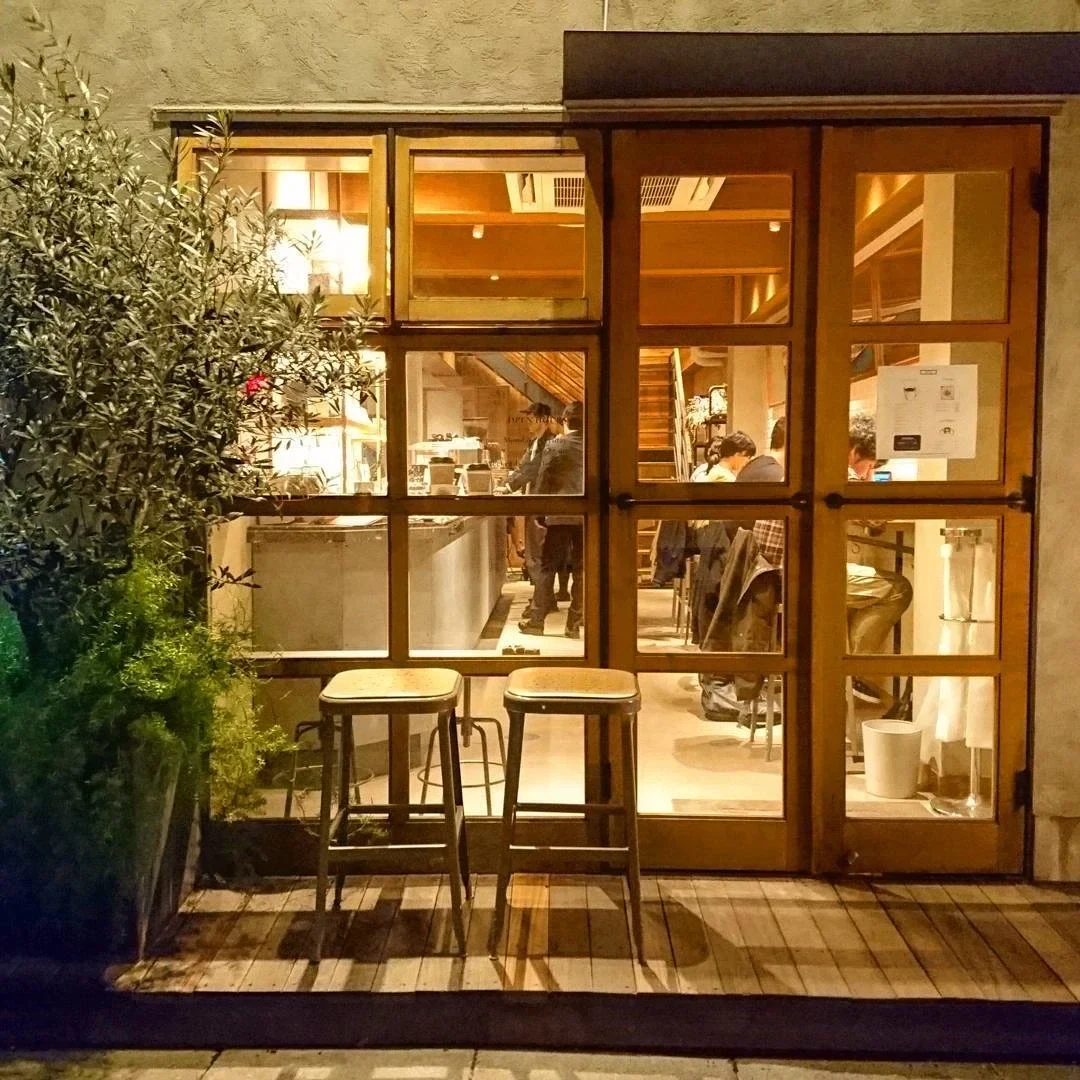
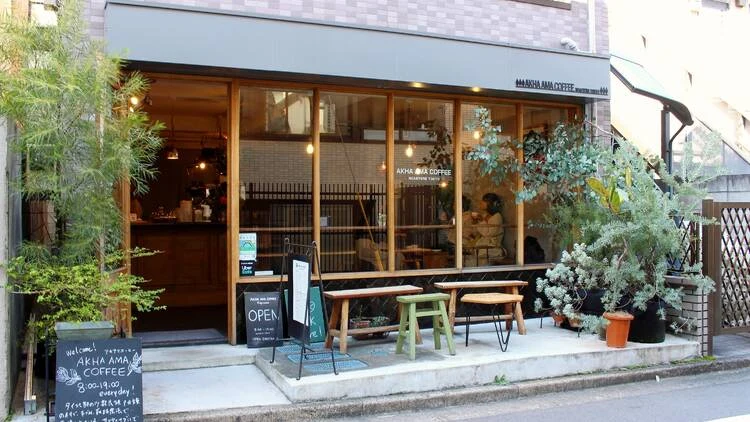
The café is small and stylish, set on a quiet backstreet with warm interiors and earthy accents, and the format is a direct coffee stop rather than a long sit-down. In 2025 it was placed 71st on the Tabelog 100, which is unusual recognition for a room this size.
The scale suits the proposition. There is no attempt to build a broad menu around the coffee; the point is that a cup grown, processed and roasted through one chain can be served in Tokyo without the chain disappearing along the way. For a guest here, the appeal is that directness: a village-rooted supply chain in northern Thailand ending at a counter in Shinjuku.
Choose by roast and process
For a first order, choose among the four core Akha Ama coffees rather than looking for a long food menu. Khemkhon is a deep roast washed coffee, Klangklang a medium roast washed, Ponlamai a light roast washed, and Tutty Fruity a medium roast natural.
That line-up is effectively a tasting structure. Khemkhon anchors the deeper-roast end, Klangklang sits in the middle of the washed range, and Ponlamai gives the lightest and most delicate version of the same processing. Tutty Fruity is the one that changes the variable rather than the intensity, introducing natural processing and the fruit character that comes with it. Working across two or three visits is the clearest way to understand what northern Thailand tastes like through this particular chain, and it is worth asking which of the four has been roasted most recently.
Tags
Frequently asked questions
Which Akha Ama coffee should I order?
There are four core coffees and they work as a tasting structure. Khemkhon is a deep roast washed coffee and Klangklang a medium roast washed; Ponlamai is the lightest washed option; Tutty Fruity is a medium roast natural, which changes the processing rather than the roast level.
What does Akha Ama mean?
It means mother in the Akha language, referring to the mother's coffee that started the business in 2010. The founder came from a village of about 300 people in northern Thailand, and profits from the company return to that village, which is why it describes itself as a social enterprise.
Compare nearby places
| Venue | Type | Area |
|---|---|---|
| Patisserie Salon de The Amitie | Bakery | Kagurazaka |
| Jikaseibaisen Coffee Mijinko | Café | Bunkyo / Yushima |
| All Seasons Coffee | Café | Shinjuku |
| COFFEE VALLEY | Café | Ikebukuro |
| UNISON TAILOR Coffee and Beer NINGYOCHO | Café | Nihonbashi Ningyocho |