Why go
Hand drip that changes with the bean
Hand drip is the order that carries All Seasons Coffee, and it changes with whatever bean is on, so no two visits pour quite the same cup. Beside it sits quick brew, the day’s coffee for anyone who does not want to wait, and a water-extracted cold brew for the chilled version. The shop’s phrase is “Feel All The Seasons,” and the seasonal sweets counter is where it lands rather than staying a slogan on the wall.
The espresso list covers the standards: cafe latte, cappuccino, cafe mocha, soy latte, americano and espresso. The non-coffee side is broader than most, with a chai latte made on soy milk, a chocolate drink, matcha latte, caramel milk, lemonade, lemon squash and melon soda. Between them, a table of four with different habits can all be served without anyone compromising.
A short pause off a loud street
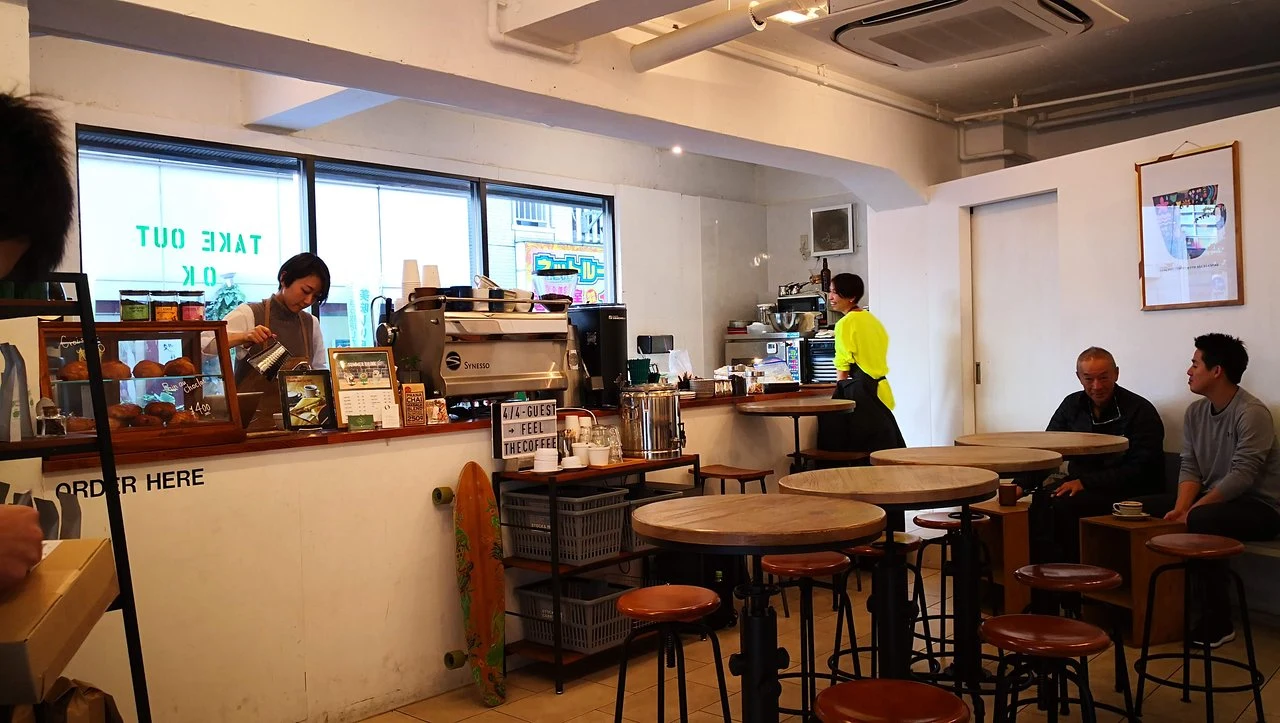
This is a small Tokyo stop rather than a dining room, and the appeal is stepping out of Shinjuku Sanchome’s pace for a few minutes into a room that smells of fresh coffee and baking. There are no courses and no ceremony; the point is a good cup, something sweet and a seat.
The food stays deliberately compact: a rib melt for the savoury order, classic pudding and cheesecake as the fixed sweets, and a seasonal sweets slot that turns over through the year. Beans and drip bags are sold at the counter, so the cup can continue at home or leave as a gift.
Order the hand drip, then the classic pudding
If the visit is about coffee, take the hand drip first, since it is the item most tied to bean variation and the best read on what the shop is buying. Quick brew works when the day’s coffee is the right answer, and cold brew is the water-extracted alternative in warm weather. For milk drinks, cafe latte and cappuccino are the obvious routes, with soy latte and chai latte covering the dairy-free order.
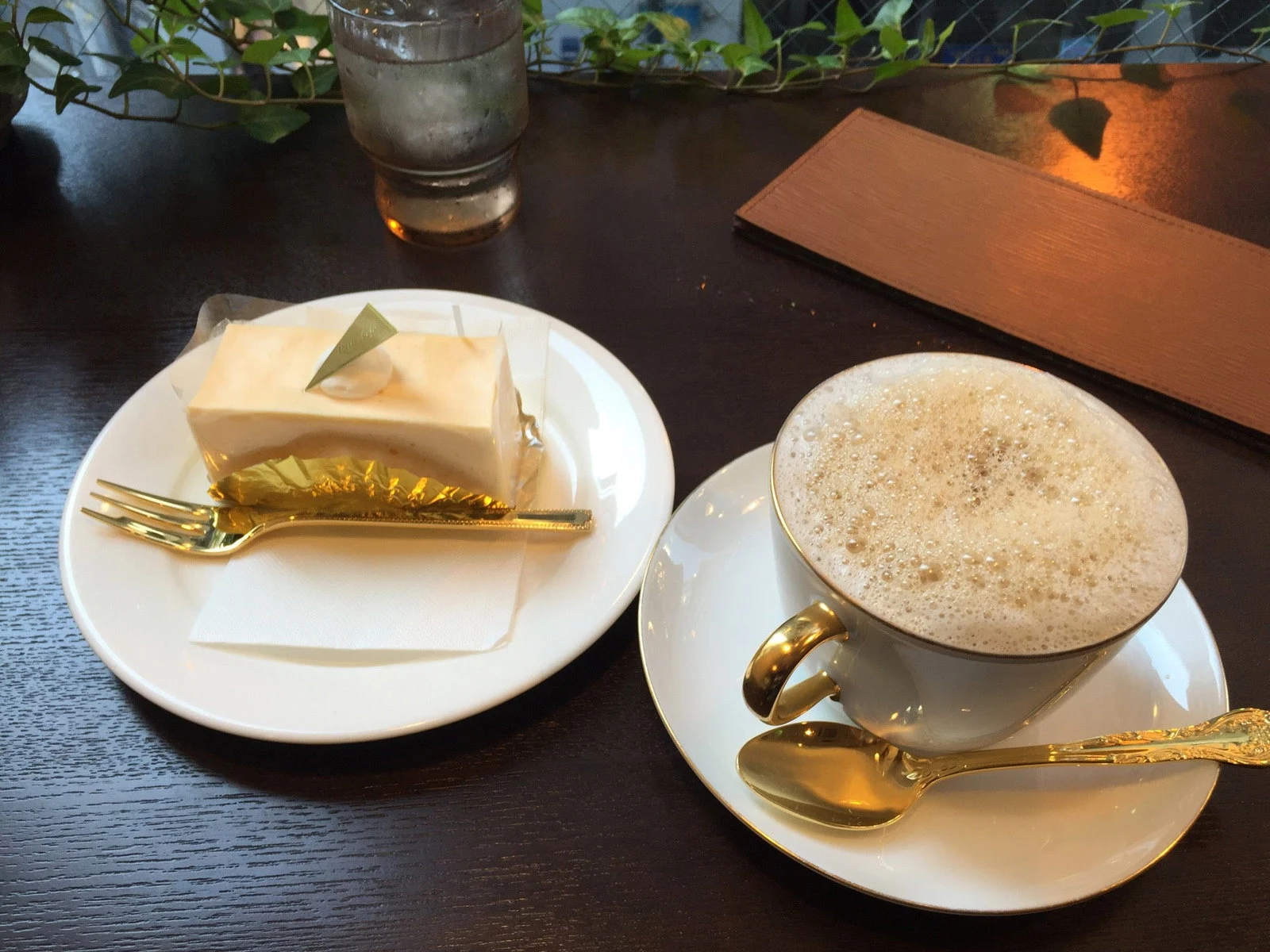
For food, classic pudding is the anchor, the wobbling Japanese café dessert done straight, with cheesecake as the other constant. The seasonal sweets are the thing to ask about, because they are the clearest expression of the café’s name and the reason to come back in a different month. The rib melt adds a savoury option without turning the place into a lunch counter. Sensible pairings: hand drip with classic pudding, cold brew with cheesecake, or quick brew with whatever seasonal sweet is out.
Tags
Frequently asked questions
What should I order at All Seasons Coffee?
Hand drip is the order to start with, since it changes with the bean and shows what the shop is buying. Quick brew is the faster daily coffee and cold brew the water-extracted chilled option. For food, classic pudding is the anchor, cheesecake the other constant, and the seasonal sweets are worth asking about.
What is on the menu besides coffee?
Plenty. The espresso list runs cafe latte, cappuccino, cafe mocha, soy latte, americano and espresso, while the non-coffee side covers matcha latte, a chai latte made on soy milk, a chocolate drink, caramel milk, lemonade, lemon squash and melon soda. Food stays compact: a rib melt, classic pudding, cheesecake and seasonal sweets.
Compare nearby places
| Venue | Type | Area |
|---|---|---|
| Premium Mario Gelateria Shinjuku isetan ten | Café | Shinjuku |
| Jikabaisen Coffee Bon | Café | Shinjuku |
| Coffee Kizoku Edinburgh | Café | Shinjuku |
| COVERT COFFEE | Café | Shinjuku |
| patisserie K.ViNCENT | Bakery | Shinjuku |