Why go
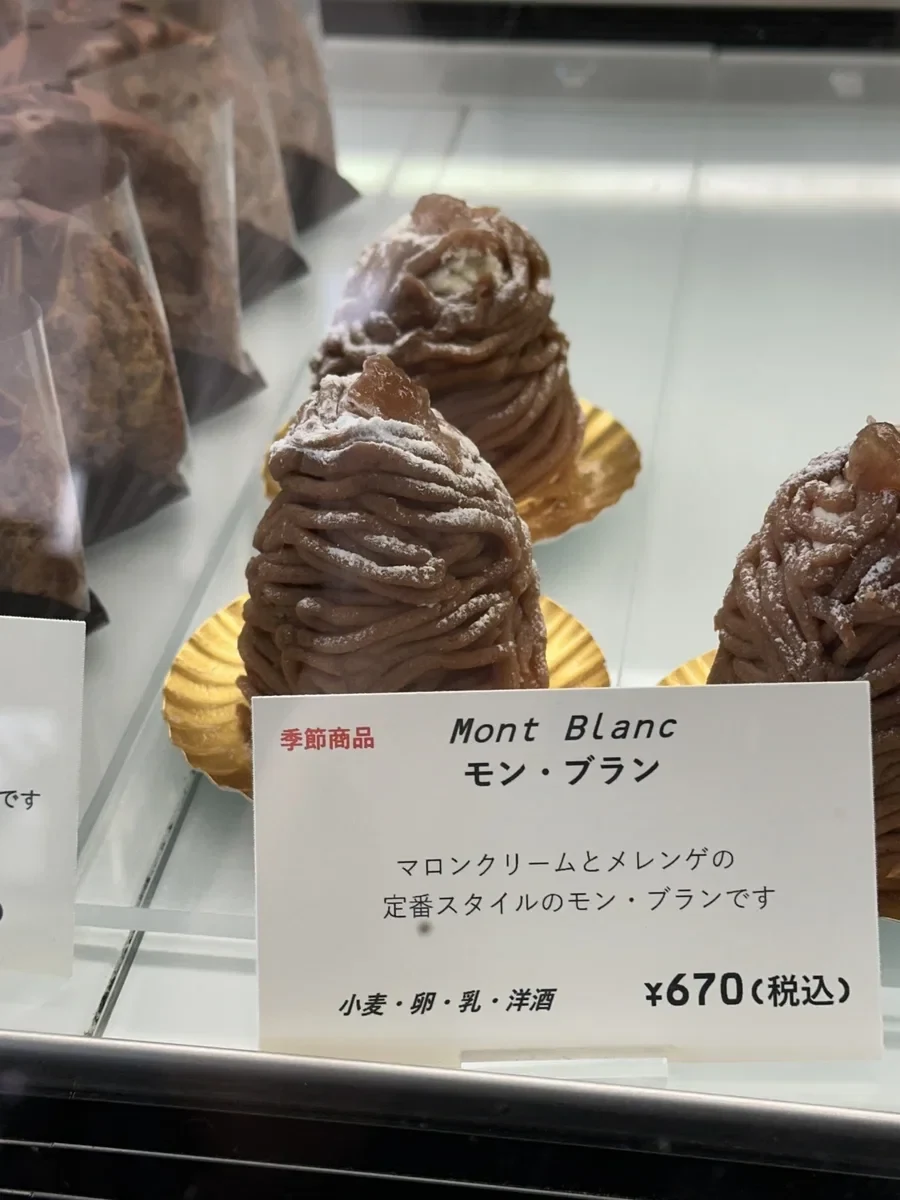
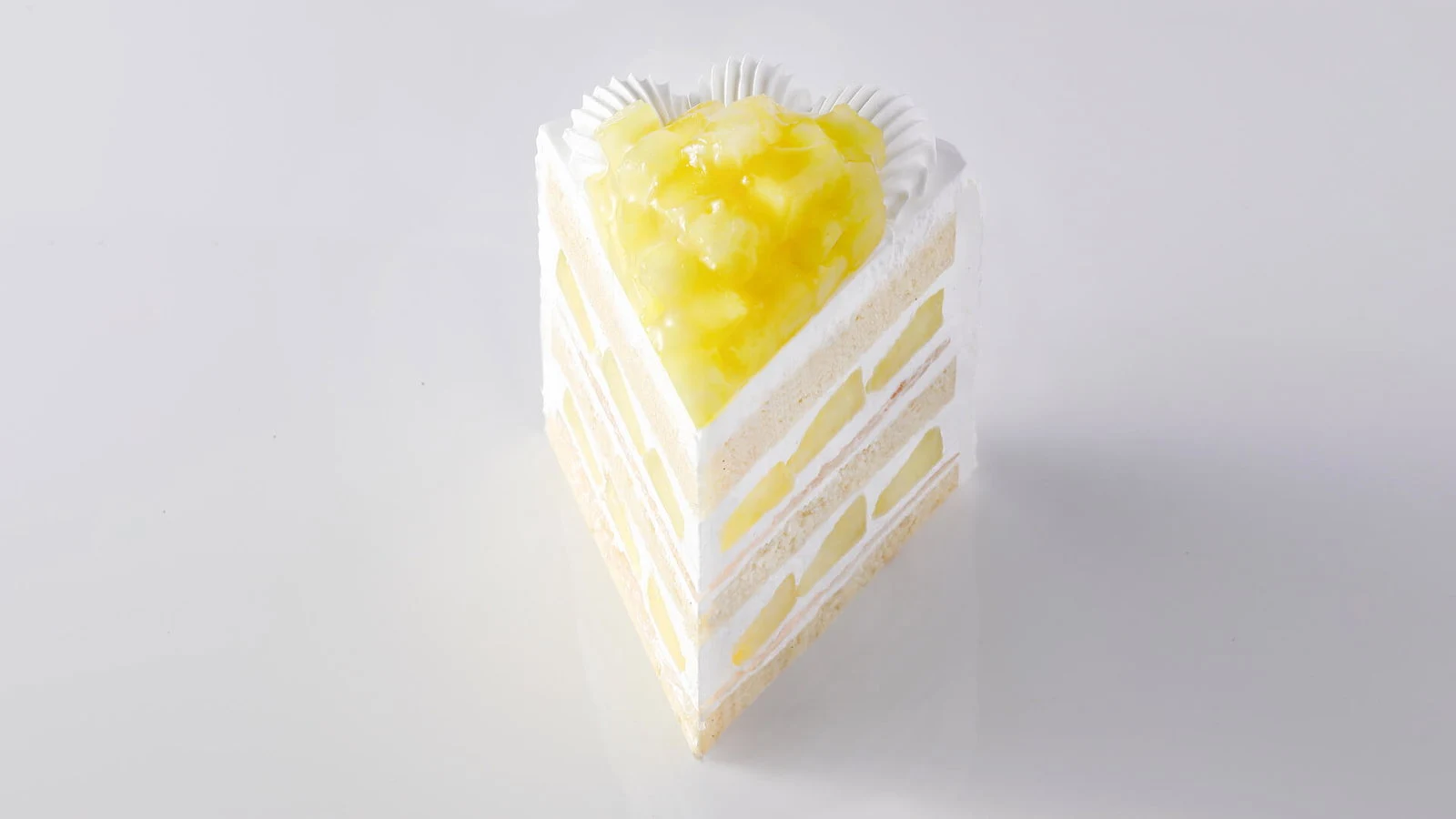
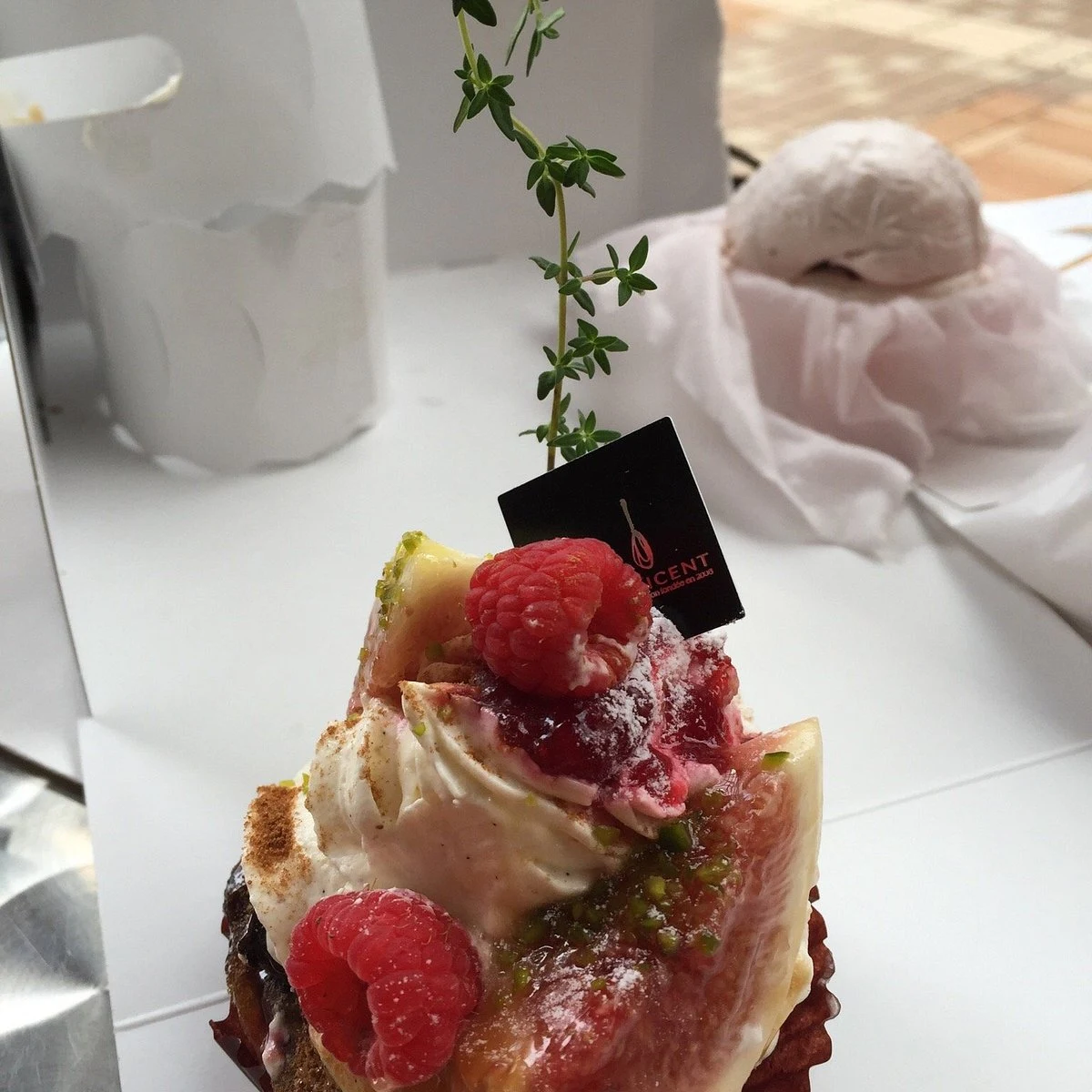
Three things leave this Tokyo counter: cakes, chocolate and baked sweets. patisserie K.ViNCENT names them in that order and stops there, which tells you more about the shop than a long menu would.
A narrow French repertoire
The work is confectionery rather than café cooking. There are no plated courses, no savoury lunch and no drinks programme competing for the kitchen’s attention, so the case carries whole cakes and the small French pastry vocabulary that sits behind them. Chocolate is the second pillar, worked as its own line rather than as decoration for the cakes. Baked sweets are the third, the keeping kind that travel well and are bought as gifts as often as they are eaten on the day.
Specialism of this sort is normal in Tokyo and it is rewarded. The shop took the number 66 place on the Tabelog 100 in 2023, a ranking that tends to favour houses doing one thing at a high level over houses doing everything competently.
A production bench behind the shop floor
No chef’s face fronts the business. What the house does say about itself concerns the bench: pastry work is written as a job for people with five years or more behind them, counter work for two, both starting on a trial period, and applications are read without reference to gender. Those are the terms of a working patisserie rather than a boutique with a pastry consultant.
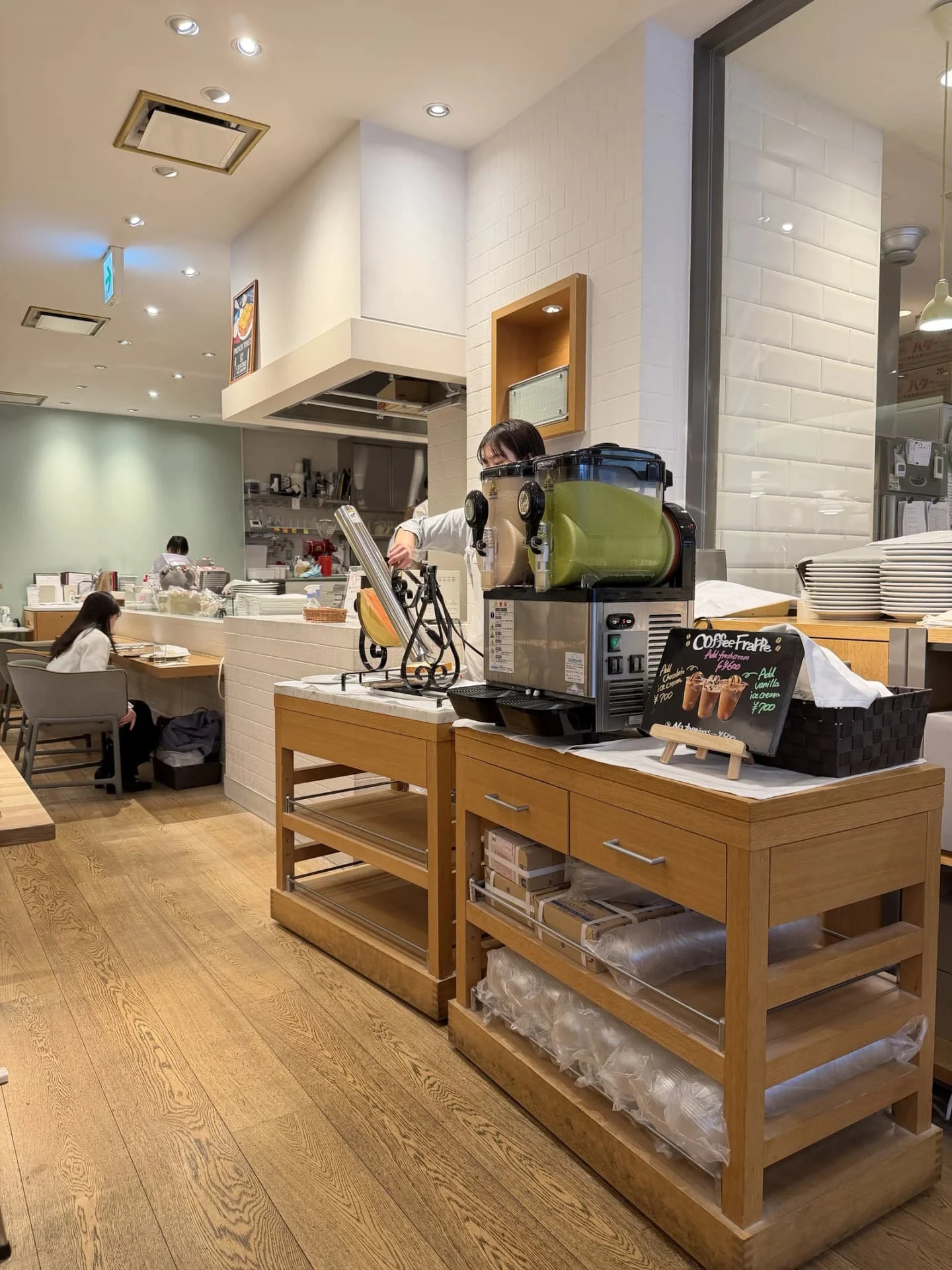
The room follows the same logic. Cakes are built for occasions and much of what the kitchen makes is spoken for before it is finished, so the shop reads as a quiet retail counter rather than a place to settle in with a fork and a coffee. Choose, pay, carry it home.
What to take home
Start with a cake, since that is where the house puts its name. It is the clearest statement of technique and the item the whole operation is organised around, whether the occasion is a birthday or a Tuesday.
Chocolate is the second order and the one that shows the range: a patisserie that keeps its own chocolate line is committing to tempering and storage discipline as well as to sponge and cream. Baked sweets close the visit. They are the least ceremonial part of the case and the easiest thing to carry across the city, which is exactly why a French patisserie in Tokyo keeps them.
Frequently asked questions
What should I order at patisserie K.ViNCENT?
Start with a cake. It is what the shop is organised around and the clearest read of its technique. Chocolate is the second order, kept as its own line rather than as trim for the cakes, and baked sweets are the third, made to keep and to carry home as gifts.
Is patisserie K.ViNCENT a café or a shop?
It is a retail confectionery counter rather than a salon, so there are no plated desserts, no savoury lunch and no drinks list. Cakes, chocolate and baked sweets are chosen at the case and taken away, which is why the range stays narrow and the bench stays busy.
Compare nearby places
| Venue | Type | Area |
|---|---|---|
| Sébastien Bouillet Isetanshinjukuten | Bakery | Shinjuku |
| Coffee Kizoku Edinburgh | Café | Shinjuku |
| Premium Mario Gelateria Shinjuku isetan ten | Café | Shinjuku |
| Jikabaisen Coffee Bon | Café | Shinjuku |
| All Seasons Coffee | Café | Shinjuku |