Why go
Coffee arrives from a siphon at any hour of the day or night, in a second-floor room in Shinjuku that has never really stopped.
Siphon first, everything else after
The brewing method is the identity here. Siphon extraction is treated as the house signature rather than a technical footnote, a style bound up with the kissaten tradition, and it slows the counter down in the way the room wants. Iced coffee has a place of its own on the list, with a premium version added in late 2023. Coffee Kizoku Edinburgh, 珈琲貴族エジンバラ in full, was placed sixth on the Tabelog 100 in 2022, which puts a traditional coffeehouse rather than a fast-service chain at the front of the Tokyo field. Nothing about the method is quick, which is the point: the siphon makes the coffee an event rather than a transaction.
A room that works at odd hours
The cafe runs around the clock, and that changes what it is for: breakfast before a train, a pause in the afternoon, study or work late at night, a seat after a show. Shinjuku's commuting flows and nightlife run well past ordinary cafe hours, and this room absorbs them. Being on the second floor helps, keeping it apart from street-level grab-and-go trade. A kissaten of this vintage holds its shape by not changing, and the room is the argument for that.
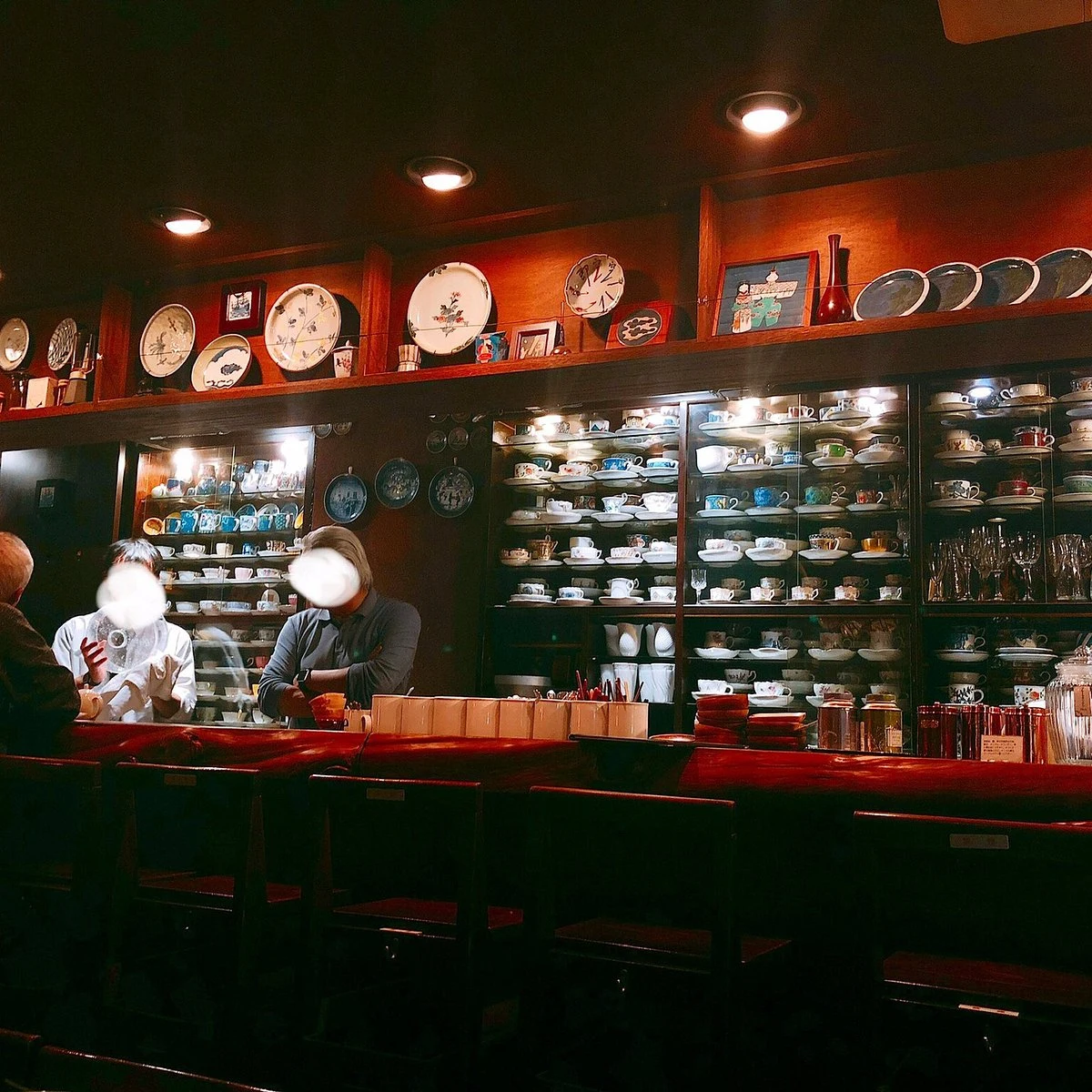
Inside it is Showa-era kissaten: dim, warm lighting, plush seating, wood tones, music low in the background and the feel of a time capsule that invites lingering over a cup at three in the afternoon or three in the morning. Little of it looks designed for photographs, and that is much of the appeal.
Coffee, and something light with it
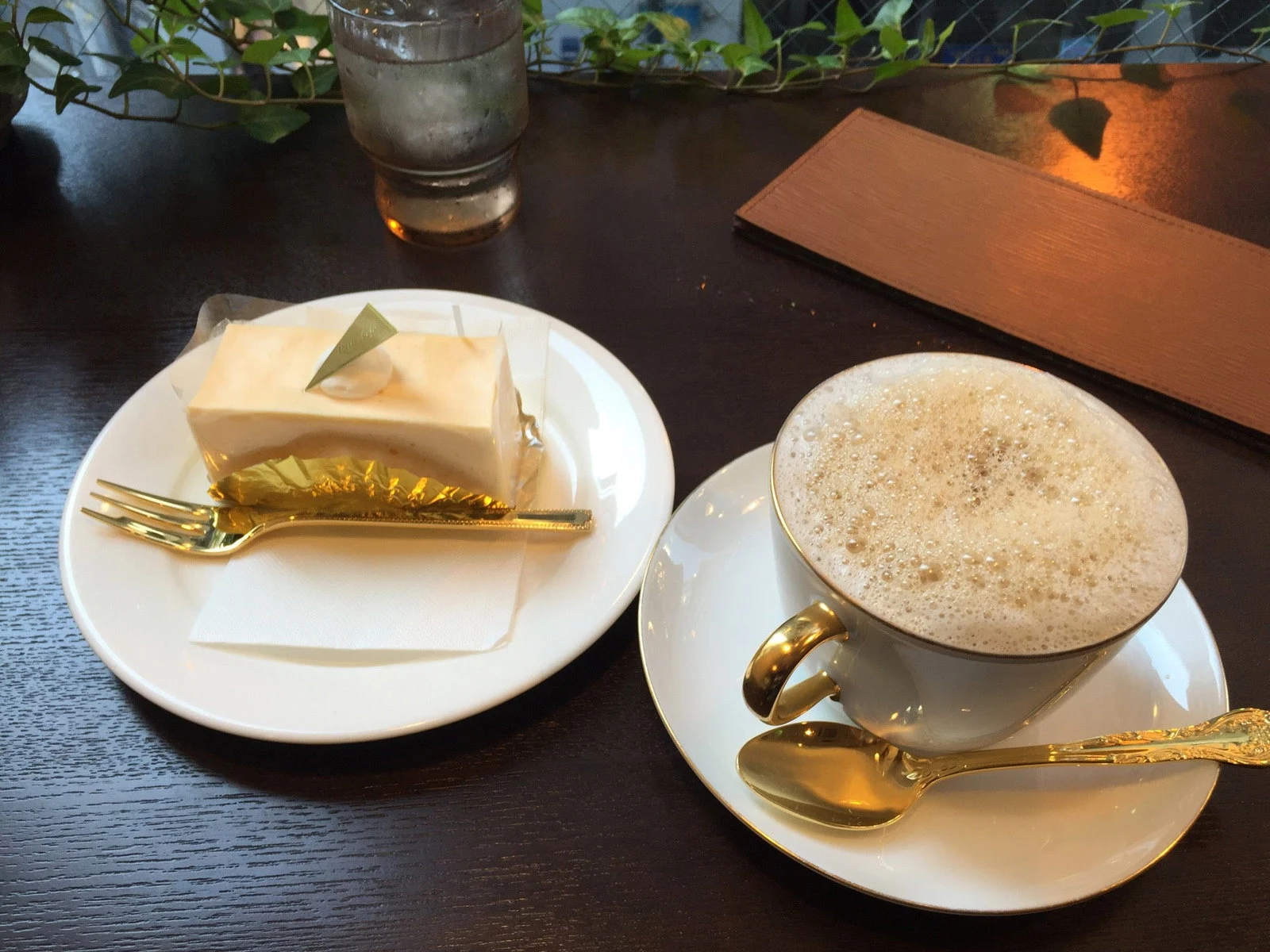
Start with the siphon coffee, since it is the most specific and most repeatable thing the cafe does. Food is light-meal service rather than a list of named dishes, and it runs on the same continuous cycle as the coffee, so a cup can be paired with something to eat at any point in it. That is what separates this from a drinks-only stop: morning, afternoon, late night or between other Shinjuku plans, the kitchen is part of the offer. The pairing is the habit the place is built on, a cup and a small plate at whatever hour you happen to need them.
Tags
Frequently asked questions
How is the coffee brewed at Coffee Kizoku Edinburgh?
By siphon. The method is treated as the house signature rather than a technical footnote, and it belongs to the kissaten tradition the room comes from, slowing the counter down. Iced coffee has its own place on the list, with a premium version added in late 2023, and light meals run alongside the coffee at any hour.
What is Coffee Kizoku Edinburgh known for?
Siphon coffee served around the clock in a second-floor Shinjuku room with a Showa-era kissaten feel: dim warm lighting, plush seating, wood tones and low background music. It was placed sixth on the Tabelog 100 in 2022, and light meals run on the same continuous cycle as the coffee.
Compare nearby places
| Venue | Type | Area |
|---|---|---|
| Jikabaisen Coffee Bon | Café | Shinjuku |
| All Seasons Coffee | Café | Shinjuku |
| Premium Mario Gelateria Shinjuku isetan ten | Café | Shinjuku |
| COVERT COFFEE | Café | Shinjuku |
| patisserie K.ViNCENT | Bakery | Shinjuku |