Why go
House-roasted coffee, century-old cups and a real-cream shortcake are the whole argument at Jikabaisen Coffee Bon, 自家焙煎珈琲凡, in Shinjuku. The Japanese name states the idea plainly: coffee roasted in-house, served as craft rather than commodity.
Roasted in-house, every day
Jikabaisen means house roasting, and here it is an operating method rather than decorative wording. All the blends are roasted on site every day on a compact machine, small-batch work built around freshness instead of storage. There is no rotating guest-roaster programme and no long list of named origins; the discipline is repetition, roast and brew and serve, in a district that mostly runs at a different speed.
That pace is the point. In the middle of Shinjuku’s commercial rush, the café reads as a traditional coffee stop for people who care about the condition of a cup when it reaches the table, and the daily roast is what makes that possible.
Antique cups and a quiet room
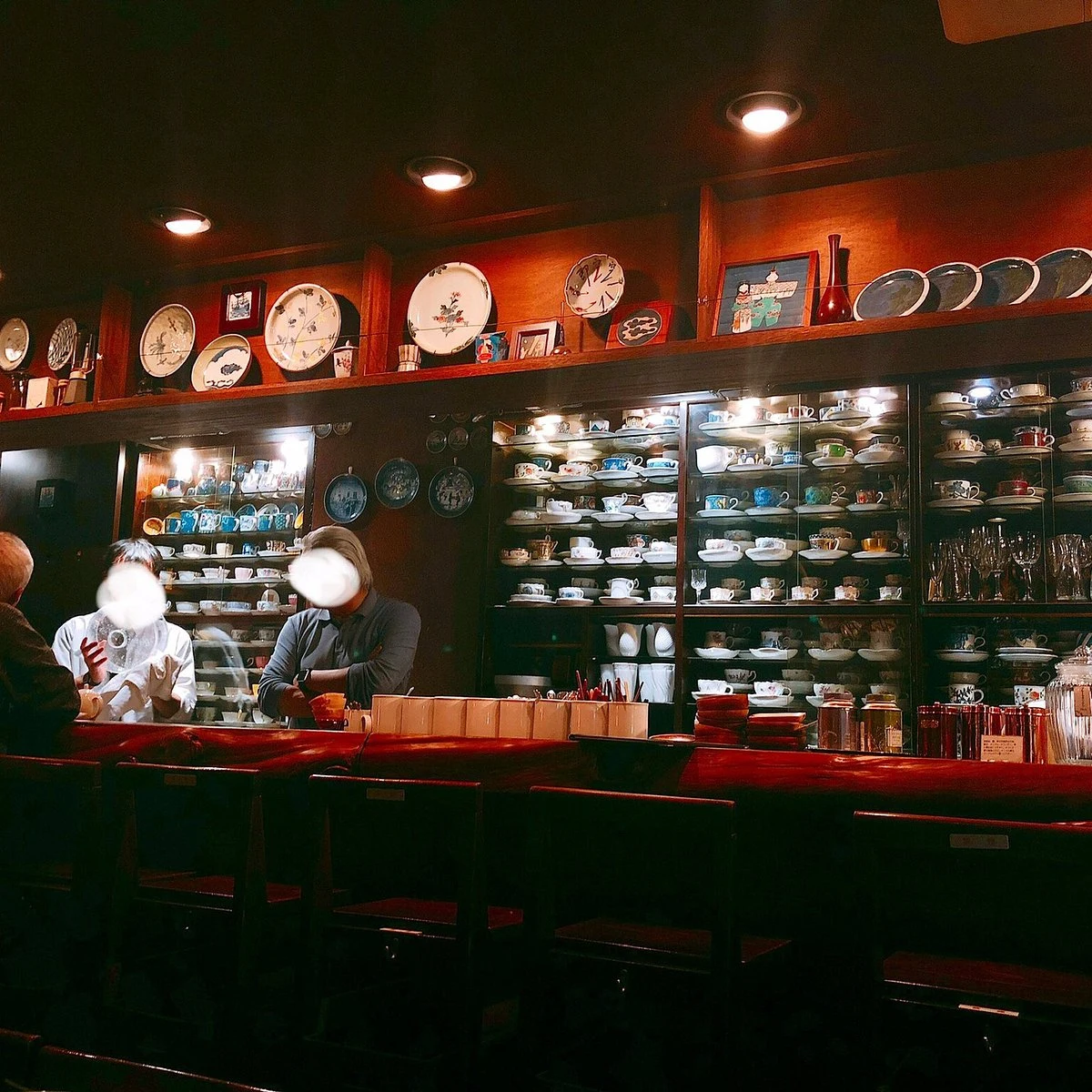
The atmosphere is shaped by the service objects as much as by the coffee. The house has collected vintage coffee cups from around a hundred years ago, and they are used rather than displayed, poured for whoever happens to be sitting at the counter that afternoon. Drinking from one asks you to notice its age, its shape and the period it came from while holding freshly roasted coffee in contemporary Shinjuku.
That contrast gives the café its identity: a small, craft-focused operation in a dense city district, using old cups to slow the act of drinking. The old-school kissaten feeling comes from restraint and ritual rather than spectacle, and the result is a coffeehouse tied to objects, routine and memory.
Order the coffee with the shortcake
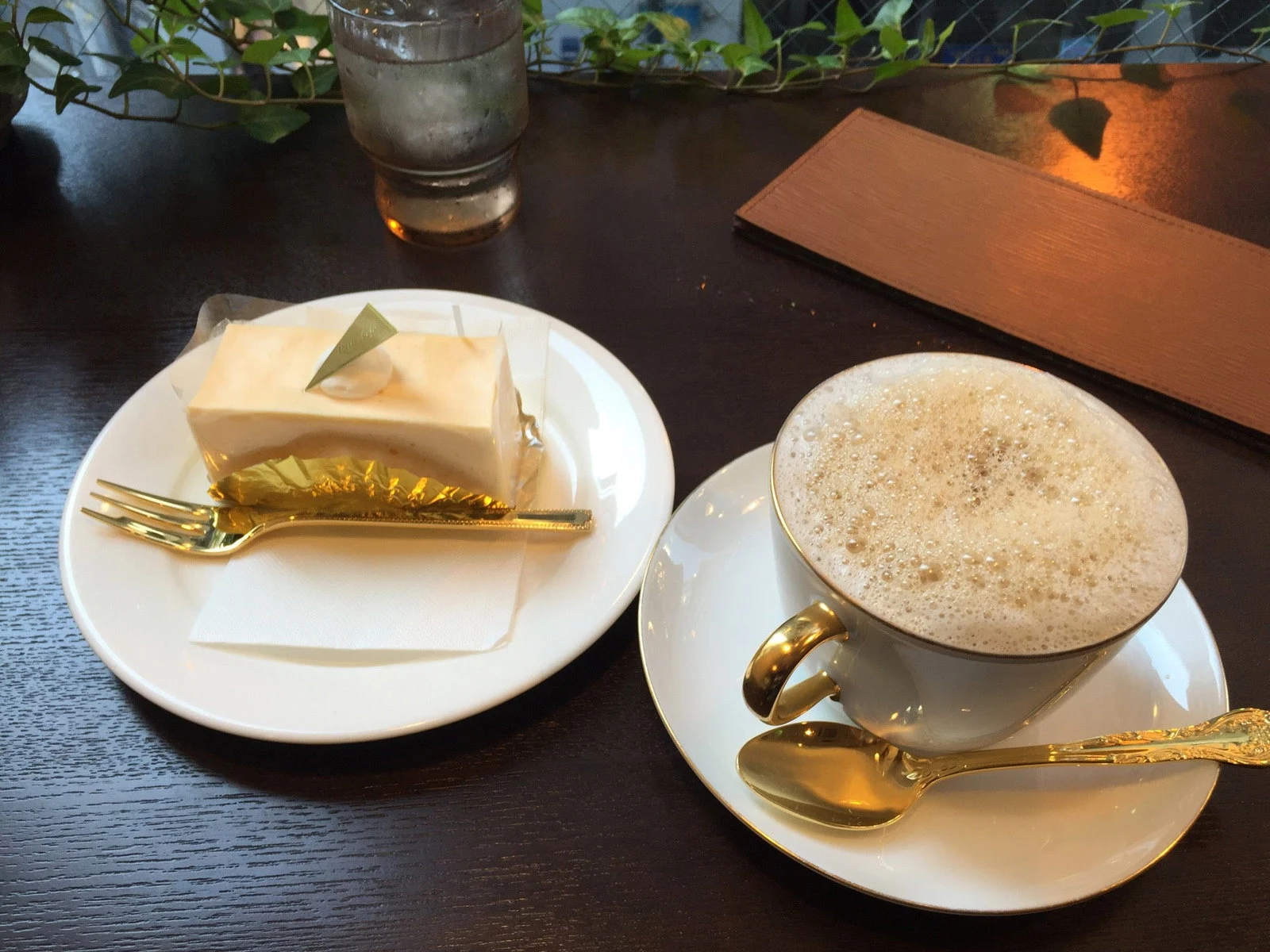
The clearest order is house-roasted coffee with the shortcake, ショートケーキ, made with real fresh cream. The café is unusually direct about that standard, presenting real cream as the benchmark and refusing to treat plant-based substitutes as cream at all.
That stance matches the roasting philosophy: ingredients and preparation should be plain, traditional and recognisable. The shortcake is not simply a sweet beside the coffee; it is the pastry version of the same insistence, as the daily roast is the coffee version. Ordered together, the logic is obvious. Fresh coffee brings aroma and structure, the cake supplies the familiar kissaten note, and the antique cup does the rest.
Tags
Frequently asked questions
What is Jikabaisen Coffee Bon known for?
House roasting. Every blend is roasted on site each day on a compact machine, small-batch work built around freshness. The other signature is the shortcake, made with real fresh cream rather than a substitute, and the vintage cups from around a century ago that the coffee is served in.
What should you order at Jikabaisen Coffee Bon?
Take the house-roasted coffee with the shortcake. The pairing explains the café in one order: the coffee was roasted that day, and the cake is made with real fresh cream, which the house treats as a standard worth stating. The cup it arrives in is likely to be a hundred years old.
Compare nearby places
| Venue | Type | Area |
|---|---|---|
| Coffee Kizoku Edinburgh | Café | Shinjuku |
| All Seasons Coffee | Café | Shinjuku |
| COVERT COFFEE | Café | Shinjuku |
| Premium Mario Gelateria Shinjuku isetan ten | Café | Shinjuku |
| patisserie K.ViNCENT | Bakery | Shinjuku |