Why go
The approach through Yushima changes the appetite before the order: a slope, quieter Bunkyo rhythm, and proof that Tokyo cafe culture extends beyond polished retail districts and hotel lounges. This part of the city rewards smaller addresses, where a snack can justify the detour. Sakanoue Cafe does that through kakigori, the shaved-ice form that has moved from summer relief to a year-round Tokyo specialist category.
That shift matters. Kakigori once read as festival food or heatwave answer; in contemporary Tokyo it sits beside coffee, patisserie, and casual lunch as a craft object with its own audience. The value is not ceremony or rare ingredients announced at length, but cafe-level precision in a low-commitment format: a short stop, compact room, casual-cafe bill, and ordering logic more deliberate than a convenience dessert run.
Yushima's cafe culture gives kakigori a quieter stage
Tokyo dessert specialists often cluster in high-footfall neighborhoods, where visibility does half the work. Yushima is different. Between academic Bunkyo, shrine-and-museum itineraries, and the broader Ueno-Okachimachi orbit, it gives the cafe a mixed audience of local regulars, station walkers, families, and visitors linking culture with an afternoon pause. That context suits shaved ice: seasonal in memory but not limited to one guest type, it works as a solo order, shared table stop, or reason to interrupt a museum-heavy day.
The cafe’s recognition by Tabelog 100 Cafe EAST 2025 places it in a competitive category where small-format venues are judged against serious peers, not generic neighborhood cafes. Tabelog’s cafe lists tend to reward repeat local approval and category clarity. For a kakigori-led address, that matters because the genre depends on daily repeatability: texture, temperature control, syrup balance, and service pace, not one photogenic bowl.
Comparison clarifies the niche. Jikaseibaisen Coffee Mijinko occupies the same casual spending band but leans into self-roasted coffee culture. Honkatry sits in a similar range while serving a different cafe appetite. Kosetsu, Rangitoto Tokyo, and Umean show how broad the city’s cafe category has become: coffee, sweets, light meals, and specialist formats competing for the same daytime slot. Sakanoue Cafe’s point is narrower and cleaner. It asks whether shaved ice can carry a cafe visit on its own terms, and Tokyo’s answer has increasingly been yes.
For readers building a day around the area, it pairs better with cultural walking than with a multi-course lunch plan. A shaved-ice cafe visit has a different tempo from sushi counters, yakitori rooms, or curry shops; it is a pressure valve rather than the meal that defines the evening. For broader planning, Our full Tokyo restaurants guide gives the city’s dining range, while Our full Tokyo hotels guide, Our full Tokyo bars guide, Our full Tokyo wineries guide, and Our full Tokyo experiences guide place that stop within a fuller Tokyo stay.
The value is in specialization, not spectacle
Tokyo can make casual dining feel expensive by turning everything into a reservation contest. This cafe works from the opposite end: small format, focused category, and a specialist product without the cost structure of a tasting-menu room. That helps travelers with serious dinners scheduled who still want daylight eating with editorial weight.
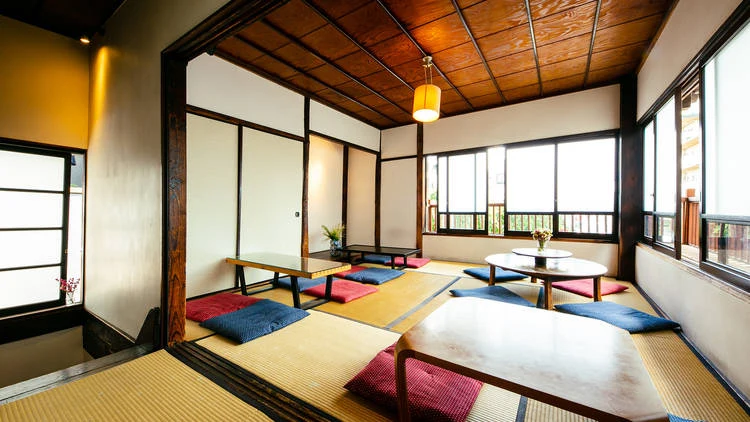
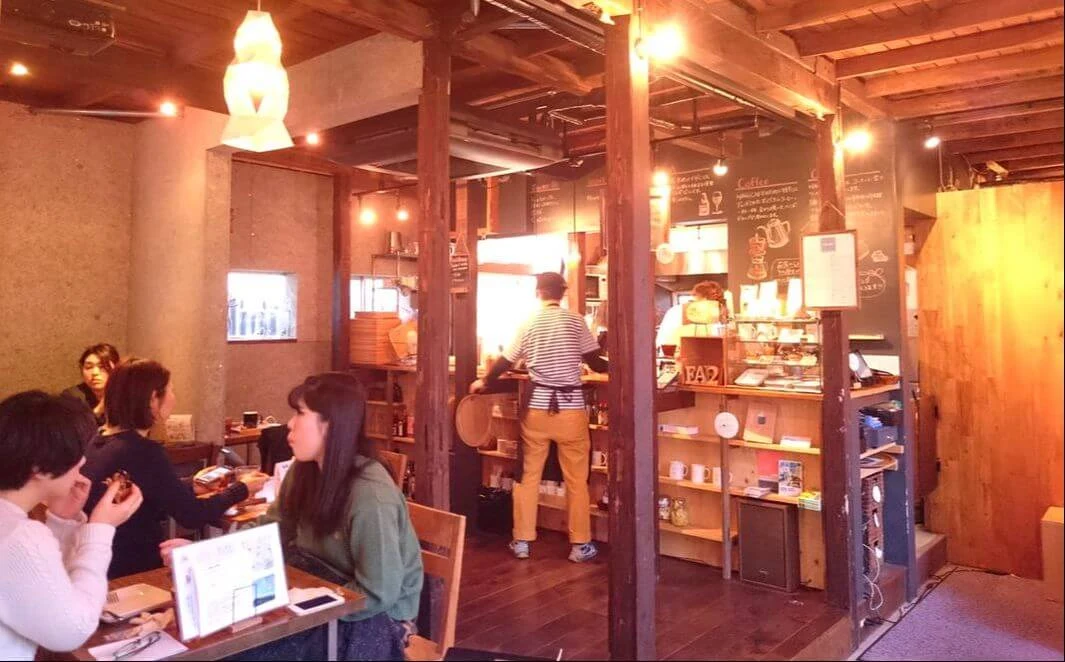
The room count is part of the calculus. With 15 seats and no private rooms, this is not a linger-all-afternoon lounge. It is closer to a compact sweets counter in spirit, even when tables are involved. The absence of a large dining room keeps expectations disciplined: arrive for the category, not spacious hospitality theatre. In Tokyo, that restraint often reads as value because money is spent on the edible idea rather than square footage.
There is also a practical cultural point. Kakigori rewards immediacy. It is not designed to sit through a long conversation before the first spoonful, and the cafe format reinforces that. The appeal is choosing a specialist stop where perishability shapes the pace. That is why a small Yushima address can belong in the same city conversation as formal dining: not because it imitates fine dining, but because it understands its format.
Travelers comparing it with other casual Tokyo options should think by craving rather than ranking. For grilled fish and charcoal-driven dining, 鮪と炭火焼き うお炭 秋葉原店 answers a different need. 12/10 Shinjuku ten sits in Shinjuku’s denser dining traffic, while 124. KAGURAZAKA (Yakitori) belongs to a more evening-coded tradition. 2D Cafe shows another side of Tokyo’s cafe appetite, where visual concept drives the visit. 3 Chome no Curry Ya San is a better reference for low-key comfort food. The lesson is not replacement; Tokyo’s affordable dining tier is deep enough for each craving to have a specialist address.
Where it fits in a wider Japan itinerary
For visitors moving beyond Tokyo, the useful comparison is how regional casual dining expresses itself through a tight specialty. Kamakura’s -Grilled beef Sukiyaki- KAMAKURA TANUKIAN 鎌倉 たぬき庵 in Kamakura carries a meal-format identity;.cafe in Osaka keeps the cafe lens but shifts the urban rhythm;.know in Kumamoto reflects a different city scale. Casual Japanese dining is not a single mood. It changes with station density, climate, local movement patterns, and how much time guests expect to give a small address.
That logic applies outside Japan. (Shoku) Vietnam in Kawasaki shows how imported cuisines settle into Japanese city dining, while [Curry Senmon Ten] Maruyama Kyoju. in Sapporo turns a focused dish category into a regional stop. [ki:] in Kyoto offers another model of small-format intent. Across the Pacific, Jōdo Saké Bar in Los Angeles and Onigiri Time in Pasadena show how Japanese casual forms travel and adapt. Sakanoue Cafe belongs to the origin-city version of that story: modest scale, precise category, and enough recognition to justify planning around it.
The critical read is simple. This is not the Tokyo address for grandeur, chef biography, or a long meal. It is a specialist cafe whose reward comes from choosing the right moment: a daytime pause when shaved ice feels like the main event, not an afterthought. In a city where high-end reservations often dominate the travel narrative, that is a useful correction. Tokyo’s value is not only in expensive counters; it is also in small rooms that know exactly what they are for.