Shinkocho

Yokosuka Gelato Factory

CafeGelateriaAbout $5 a head
Yokosuka Gelato Factory

Why go

The approach is port-market pragmatism: broad aisles, food-court tables, a water view, and shoppers folding dessert into a Yokosuka outing. In a city visitors know for naval history, curry, burgers, and dockside eating, gelato feels less like a detour than part of the market rhythm: buy fresh, eat near the source, keep moving.

Yokosuka Gelato Factory belongs to the compact tier of Japanese dessert counters that have made ice cream and gelato a serious regional category without fine-dining posture. The signal is not ceremony but selection within Tabelog 100 Ice cream / Gelato 2023, which places small-format frozen-dessert shops in the same critical conversation as bakeries, noodle counters, and other specialists. For Yokosuka, that matters: the city’s food identity is strongest when casual formats connect to local geography.

Port-market gelato with a sourcing-first logic

Japanese gelato culture has developed apart from Italy’s piazza tradition. Strong domestic examples often begin with produce, dairy, and regional identity rather than theatrical display. In a port market, that ingredient-first logic fits naturally: a dessert counter integrated into a marketplace, not a hushed salon for a long tasting sequence.

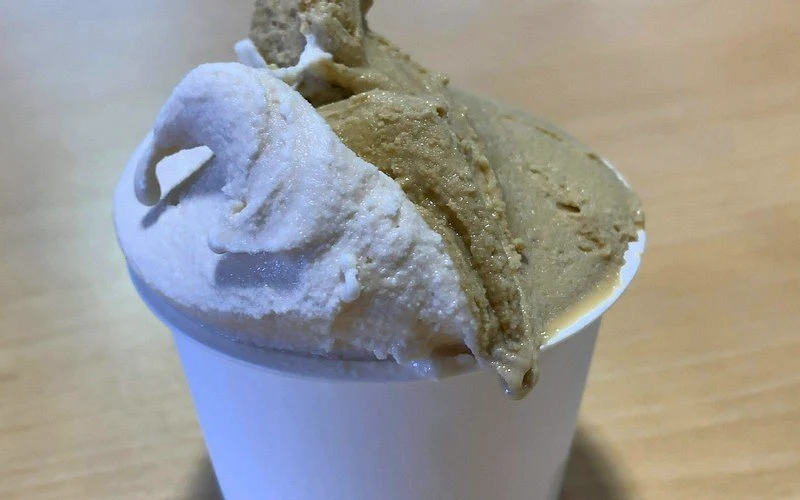
The category mix is clear: gelato, ice cream, and soft serve. That broadens the choice from “which flavor” to “which texture and style.” Gelato suggests density and a lower serving temperature than American-style ice cream, while soft serve belongs to Japan’s everyday travel culture, where highway stops, farms, seaside towns, and market halls use it to express local produce or dairy quickly. The point is not novelty but the Japanese habit of making a brief snack carry place.

Yokosuka’s waterfront gives that habit an obvious frame. Japanese port markets compress shopping, casual dining, family traffic, and day-trip pacing into one stop. A frozen-dessert counter in that environment must be legible, quick, and adaptable: one person wants a cone after lunch, another wants something small while others browse. That flexibility attracts residents and visitors without splitting into tourist and local versions.

The Tabelog score of 3.63 reinforces this reading. In Japan’s conservative, category-specific restaurant-rating culture, a dessert counter needs no white-tablecloth signals to be serious. Recognition in a specialist ice cream and gelato list says more than a broad popularity claim, placing the shop in a national conversation about frozen desserts as craft, not meal-ending filler.

How it fits Yokosuka's casual food circuit

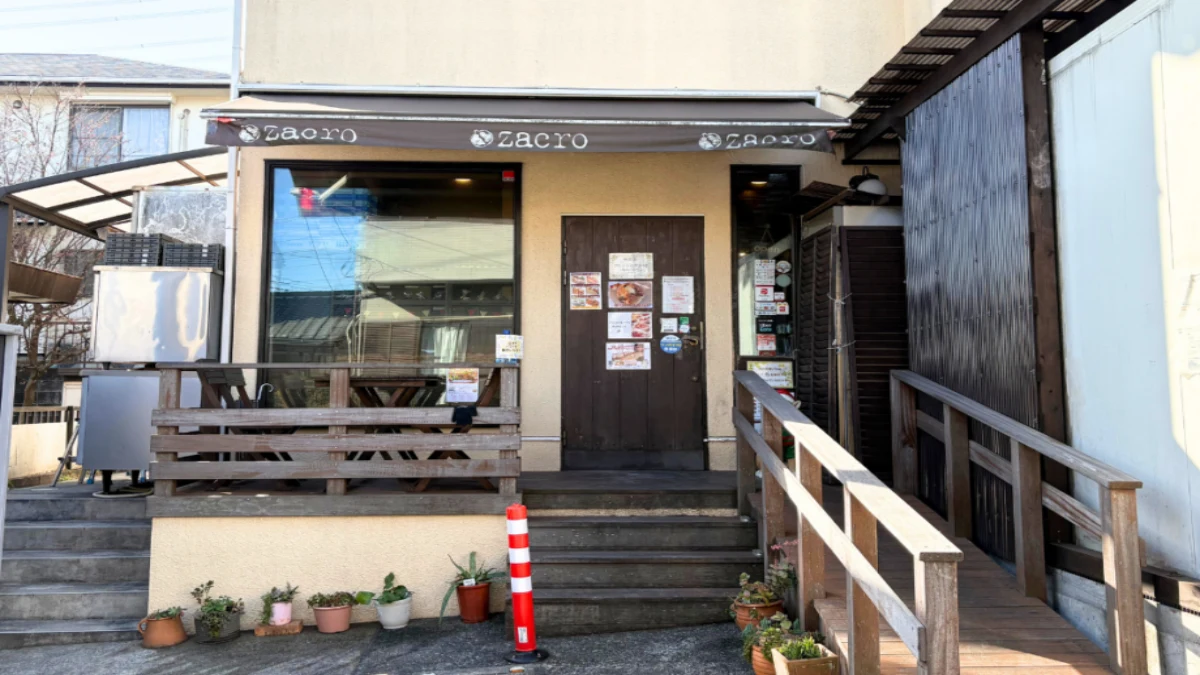
Yokosuka rewards low-friction eating. Its stronger culinary pattern is not one grand dining district but practical stops: bakeries, market counters, noodles, curry, waterfront lunches, and destination restaurants on the edge of town. Readers can see that range in ASINA BAKERY ASIBE, Boulangerie zacro, naga:raja, SOLIS Agriturismo, and toukyou bei fissyamanzu nudoru. The appeal is cumulative rather than formal: a city day built from small, specific decisions.

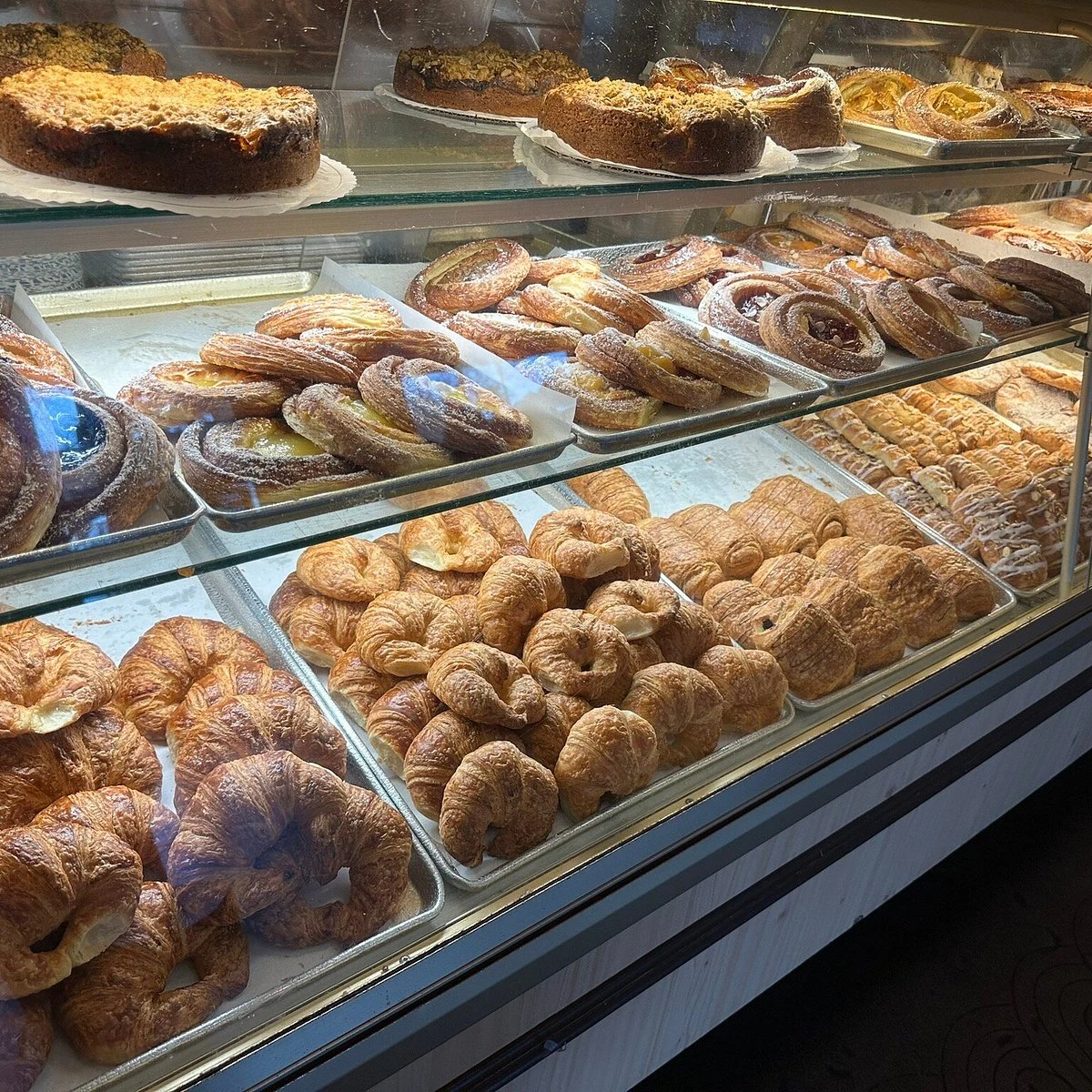
Within that circuit, gelato is a pause, not an endpoint. Compared with Boulangerie zacro, whose bakery format encourages morning or take-away planning, this counter works later and after a market meal. Compared with naga:raja, in a higher casual dining spend band, the commitment stays light. Compared with toukyou bei fissyamanzu nudoru, it shares the sub-¥1,000 casual bracket but answers a different need: refreshment and produce-led sweetness rather than savory food.

The room matters. Seventy-four seats across tables in front of the shop and the food court shift the experience from grab-and-go to usable. Families can sit, friends can split orders, and solo travelers can reset without turning dessert into an appointment. Private rooms and private use are absent, which suits the format: the market rewards openness, speed, and easy circulation.

For a broader Yokosuka plan, city guides help more than forcing one venue into a full itinerary. Start with Our full Yokosuka restaurants guide, then widen the trip through Our full Yokosuka hotels guide, Our full Yokosuka bars guide, Our full Yokosuka wineries guide, and Our full Yokosuka experiences guide. Nearby-region dining can stretch the day further, from -Grilled beef Sukiyaki- KAMAKURA TANUKIAN 鎌倉 たぬき庵 in Kamakura to (Shoku) Vietnam in Kawasaki.

A low-ceremony stop with credible recognition

Read Yokosuka Gelato Factory as a specialist counter inside a market, not a destination restaurant wearing dessert clothing. Reservations are unavailable, seating is shared and practical, children are welcome, and the non-smoking setting fits the family-friendly port market. Payment flexibility also suits the format: major credit cards, transportation IC cards, and QR code payments are accepted.

The value proposition is concise: an award-recognized gelato and ice cream counter in Yokosuka’s waterfront market, built for casual use rather than prolonged dining. It makes sense after lunch, during a harbor-side market stop, or as a soft landing for travelers whose day includes multiple small food addresses rather than one long meal. The editorial case rests on category credibility and setting: the Tabelog 100 Ice cream / Gelato 2023 selection gives a national dessert signal, while the port-market location explains why it works in Yokosuka.

Travelers comparing Japanese casual formats across cities will recognize the pattern: small specialists often carry more local information than larger, formal rooms. For contrast beyond Kanagawa, EP Club’s wider restaurant archive includes 鮪と炭火焼き うお炭 秋葉原店 in Tokyo,.cafe in Osaka,.know in Kumamoto, and [Curry Senmon Ten] Maruyama Kyoju. in Sapporo. The logic extends outside Japan at Jōdo Saké Bar in Los Angeles and Onigiri Time in Pasadena: narrow formats can be the clearest expression of a food culture when execution is specific and the setting makes sense.

Tags

ScenicLivelyCasualCasual HangoutFamilySoloAfter WorkWaterfrontPanoramic ViewStandalone