Highland

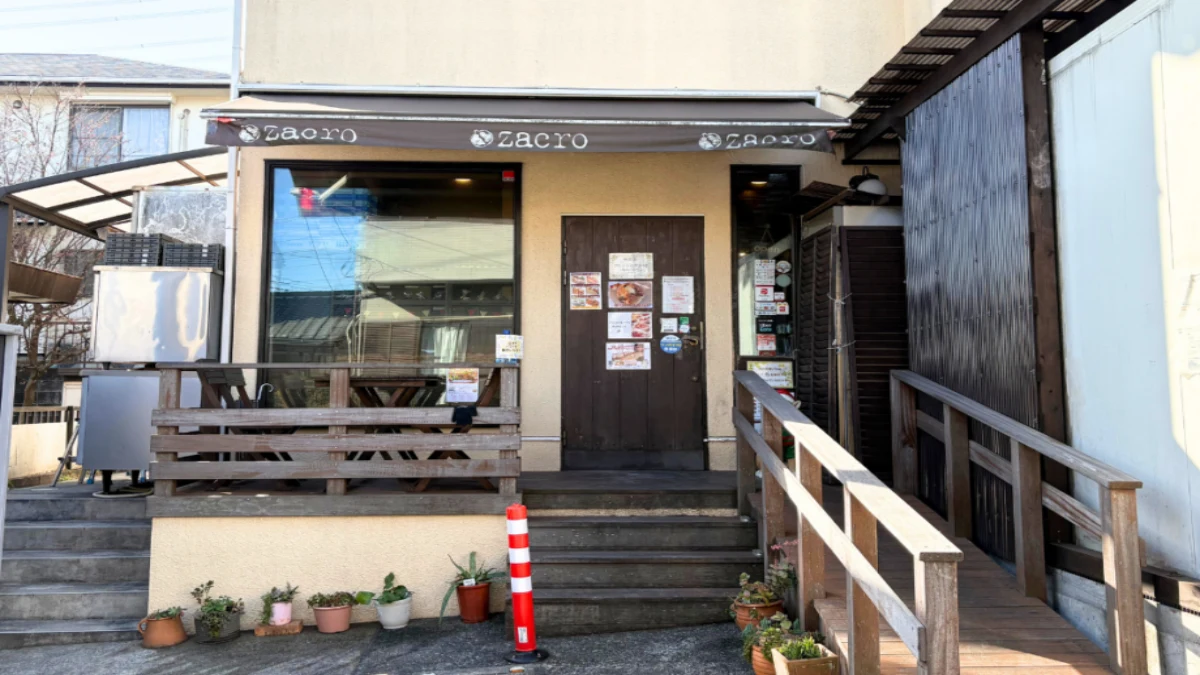
Boulangerie zacro

Bakery4.4 on GoogleAbout $10 a head
Boulangerie zacro

Why go

Highland is not the part of Yokosuka that announces itself with restaurant theatre. The approach is residential, the rhythm closer to local errands than a dining event, which matters in understanding why a bakery here can carry weight. In Japan, serious bread culture often lives in small-format shops judged by repeat customers, morning timing, and whether the shelves justify a detour. Boulangerie zacro fits that category: a bread-and-sandwich counter with enough recognition to draw attention beyond its immediate neighbourhood, but a format rooted in everyday use rather than ceremony.

Yokosuka’s food identity is usually framed through naval history, curry, ramen, and casual coastal eating. Bread sits quieter in that mix, though Kanagawa has a deep commuter-belt bakery culture shaped by French technique, Japanese portioning, and households buying for breakfast, school lunches, and weekend drives. Selection for Tabelog’s Bread EAST 100 in 2020 and 2022 gives the shop a clear trust signal: it has been evaluated within a regional bread category, not as a general restaurant novelty. The distinction matters. The measure is consistency, range, and customer pull in a field where small differences in flour handling, fermentation, lamination, and sandwich assembly decide whether a bakery becomes routine or detour-worthy.

Yokosuka bread culture rewards sourcing discipline over spectacle

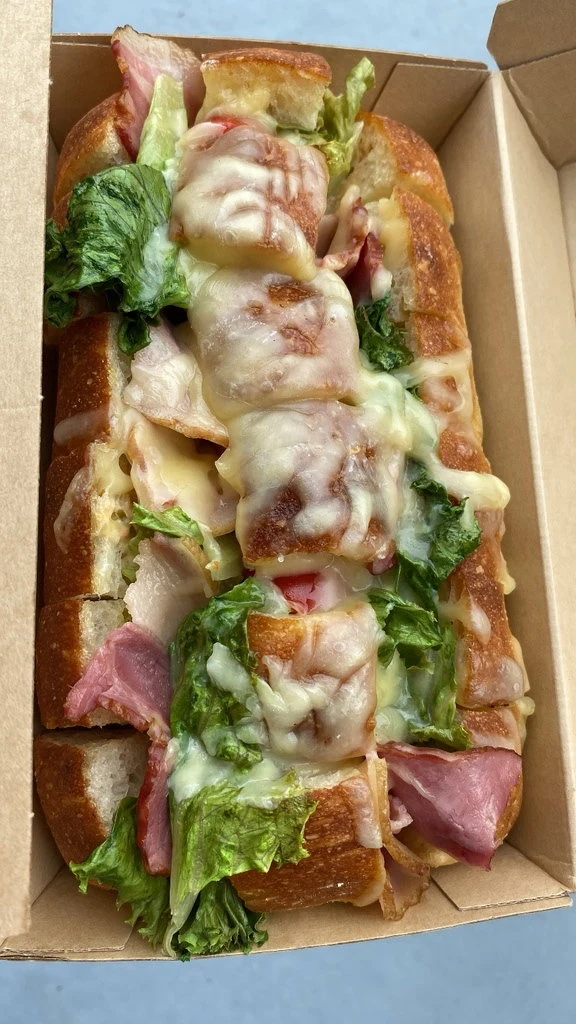
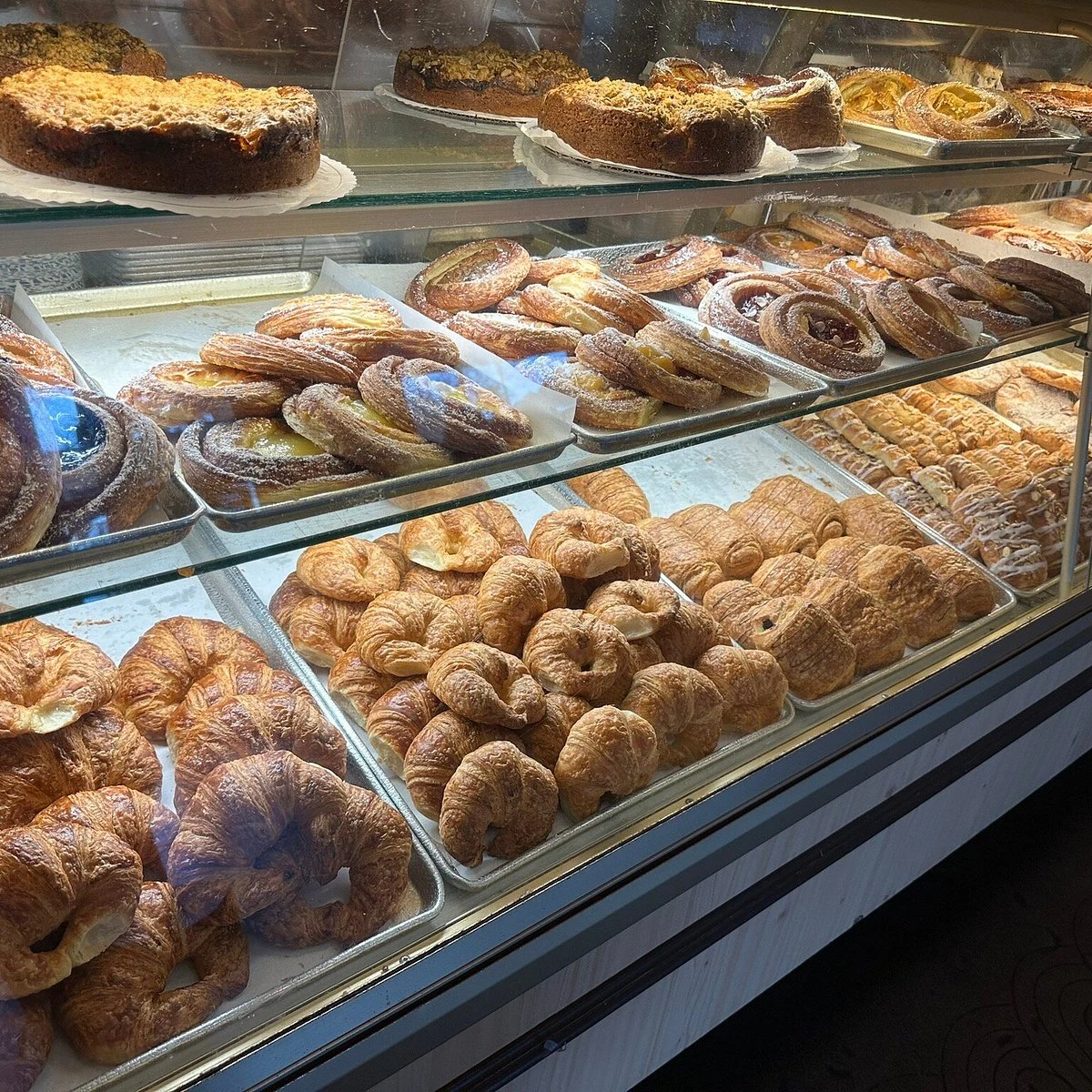
The useful way to read a bakery like this is through procurement and repetition. Bread is unforgiving: the ingredient list looks simple until process exposes every shortcut. Flour selection, butter quality, fermentation timing, fillings, and the choice to sell sandwiches alongside loaves all shape the customer’s read before branding does. The public category here is bread and sandwiches, a pairing suited to suburban Yokosuka: loaves and viennoiserie for home, prepared items for same-day meals, and a take-out format that keeps transactions brisk.

That separates it from Yokosuka venues built around seated meals. naga:raja sits in a higher spend band and belongs to a different lunch-or-dinner decision. toukyou bei fissyamanzu nudoru and Yokosuka Gelato Factory occupy a lower casual bracket, closer to snack or quick-stop use. ASINA BAKERY ASIBE is the more direct local comparison because it shares the bakery lane, yet the Tabelog Bread EAST 100 selection gives Boulangerie zacro a clearer regional marker. For a broader read of the city’s food map, Our full Yokosuka restaurants guide places these differences in one view.

Ingredient sourcing is not only a luxury-restaurant concern. In Japanese bakeries, it determines texture, shelf life, and whether sweet and savoury items feel balanced rather than generic. The strongest shops make sourcing legible through eating patterns: customers buy across categories, not just one photogenic item. With no named signature item publicly established here, the better editorial advice is to treat the counter as a range test. Look across bread and sandwich categories, especially items that reveal dough handling rather than decoration.

A recognised bakery in a residential setting changes the Yokosuka itinerary

The location changes the decision calculus. A house-restaurant setting in Highland is not the same as an駅前 counter designed for impulse traffic. It asks for intent, which is why the regional award signal has practical value. Tabelog’s Bread EAST 100 selection in 2022 places the shop among recognised bakeries across eastern Japan, while the 2020 selection shows attention was not a single-season spike. For travellers, that is the difference between a bakery stumbled upon between appointments and one folded into a Yokosuka morning.

The surrounding city is best read in layers. Yokosuka is often treated as a day-trip port city, but its better food stops are scattered: residential bakeries, small noodle counters, dessert shops, and destination meals do not sit in one compact dining district. Category planning is more useful than a generic restaurant crawl. A bakery stop can sit before a coastal walk, between train-and-bus transfers, or as a provisions run before heading elsewhere in Kanagawa. Visitors building a fuller stay can pair the restaurant guide with Our full Yokosuka hotels guide, Our full Yokosuka bars guide, Our full Yokosuka wineries guide, and Our full Yokosuka experiences guide rather than assuming the city works like one dining strip.

There is useful restraint in the format: no private rooms, tasting-menu pacing, or chef-led narrative required. The service model is take-out, putting the burden back on the bread. That is why bakeries with serious followings can be more revealing than ambitious restaurants: they depend on weekday trust. Credit cards, electronic money, and QR payments are accepted, making the stop easier for travellers used to cashless small purchases in larger Japanese cities.

How to place it within a wider Kanagawa and Japan food run

Boulangerie zacro makes the strongest case as part of a Yokosuka route rather than a lone pilgrimage. In the same regional orbit, Kamakura pulls diners toward more formal meals such as -Grilled beef Sukiyaki- KAMAKURA TANUKIAN 鎌倉 たぬき庵 in Kamakura, while Kawasaki’s casual international lane includes (Shoku) Vietnam in Kawasaki. Tokyo, Osaka, Kumamoto, and Sapporo comparisons are less direct competition than examples of how Japanese city eating splinters into specialist formats:. 鮪と炭火焼き うお炭 秋葉原店 in Tokyo,.cafe in Osaka,.know in Kumamoto, and [Curry Senmon Ten] Maruyama Kyoju. in Sapporo each sit in their own category logic.

For international readers, the lesson is not simply that Yokosuka has a famous bakery; it is that Japan’s serious casual food often works through tightly defined specialism. Los Angeles and Pasadena now have focused Japanese-format venues, from Jōdo Saké Bar in Los Angeles to Onigiri Time in Pasadena, but the Japanese original context is usually less performative. Here, the point is daily craft in bread and sandwiches, backed by regional recognition and shaped by a neighbourhood setting that makes quality do the persuasion.

The editorial call is simple: this is a smart Yokosuka stop for travellers who value specialist food shops over broad-menu restaurants. It belongs on an itinerary when the day has room for a bakery detour, not when the plan demands a long seated meal. The award history gives enough reason to go out of the way; the take-out format keeps the commitment light.

Tags

CozyRusticHidden GemSoloCasual HangoutAfter WorkFamilyStandaloneDesign Destination