.Zushi

BOULANGERIE E.S.

Bakery3.9 on GoogleAbout $7 a head
BOULANGERIE E.S.

Why go

Approaching a small Zushi bakery can change the day’s rhythm faster than a restaurant reservation. The city’s food culture is shaped by short errands, beach weekends and commuters moving between Kanagawa’s coast and Tokyo; bread must work for breakfast, train snacks, picnic bags and quick family buys. BOULANGERIE E.S. belongs to that practical tradition, where craft is measured less by ceremony than by how confidently it fits everyday life.

That matters because Zushi’s dining range is unusually compressed. A visitor can move from casual sweets at moomoo's to bread counters such as Panya Cotto, then curry at spice tree, neighborhood dining at Celery or high-spend sushi at Sushi Nara. Against that spread, a bakery judged on the same daily-use scale as lunch boxes and station purchases carries a different burden: it must be consistent, accessible and worth a dedicated stop.

Zushi's bread culture rewards discipline over spectacle

Japanese bakery culture is not a side note to French patisserie or hotel bread service. It has its own grammar: soft sandwich loaves, savory filled breads, viennoiserie, leaner table breads and portable sweet items often share one counter. In coastal commuter towns, that range becomes functional: bread has to travel, survive outside a dining room and serve several occasions without plating or service.

BOULANGERIE E.S. is listed in the Bread category and recognised by Tabelog’s Bread EAST 100 in both 2020 and 2022, a useful signal where national attention often tilts toward central Tokyo. Tabelog’s bread lists tend to reward bakeries with steady public support rather than one viral product. For bread, repeat custom is a stronger editorial signal than novelty, because the purchase cycle is weekly, not celebratory.

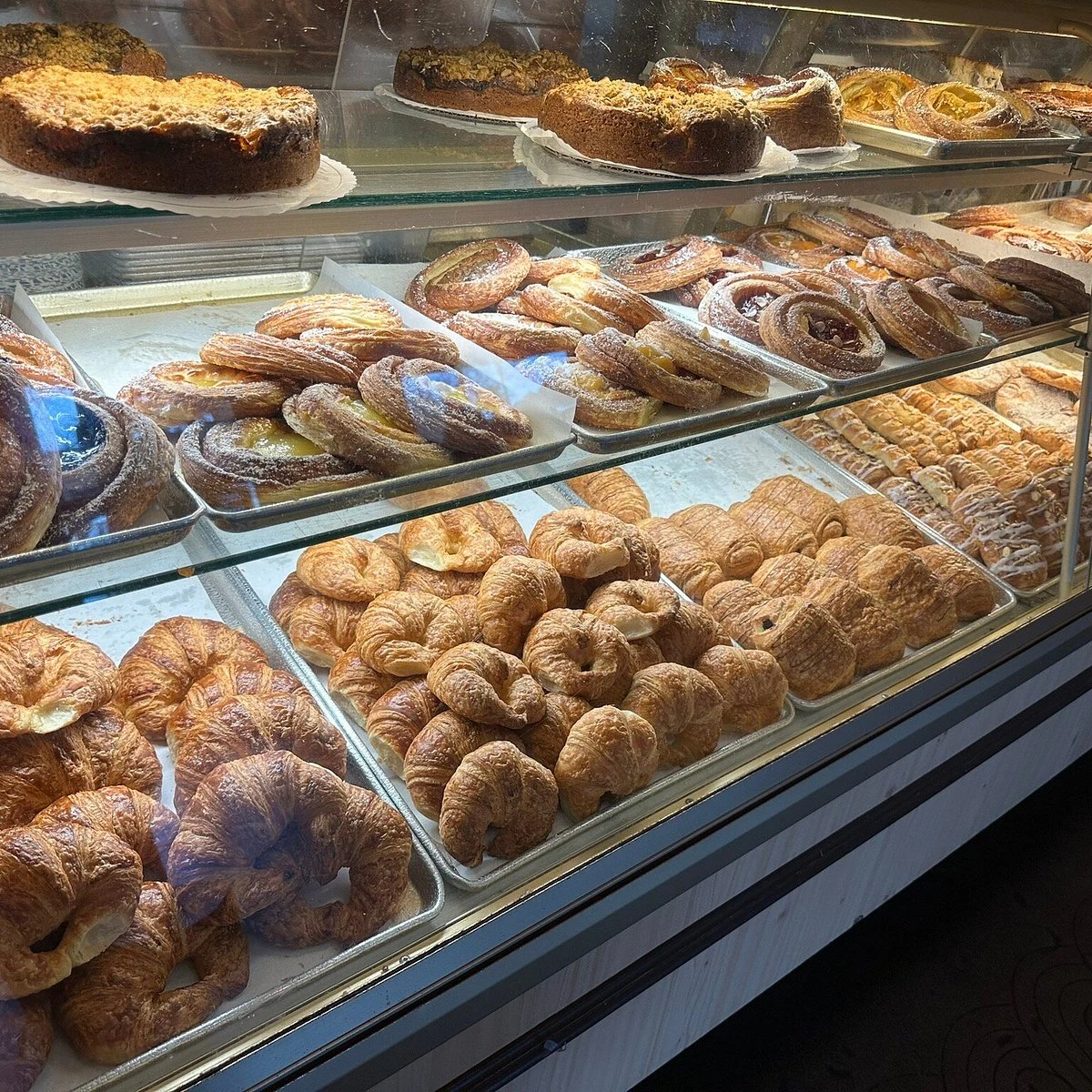
The ingredient-sourcing question underlies any serious bakery in Japan. Flour selection, butter quality, fermentation control and filling balance decide whether a shop reads as convenience retail or craft. Without leaning on a named signature item, the key point is format: a take-out bread shop has nowhere to hide. Crust, crumb, sweetness level and shelf life do the work. Bread-specific recognition suggests assessment within that craft category, not as a café with atmosphere attached.

Zushi also changes the sourcing conversation. This is not a city where every strong food address tries to look metropolitan. Coastal Kanagawa often folds serious food into modest rooms and quick routines, making ingredient quality more visible. A bakery purchase may be inexpensive, but the margin for error is small: poor butter, tired flour or careless proofing announces itself immediately. The format rewards restraint, where this address sits most convincingly.

The case for a bakery stop before the larger meal

For travellers using Zushi as a base for Kamakura, Hayama or the Miura coast, a bakery stop changes the day’s food strategy. It can be breakfast before a temple walk, provisions before the beach or a low-commitment counterpoint to a booked dinner. The comparison with Zushi’s restaurant range is useful: Sushi Nara is much higher-spend; spice tree belongs to a sit-down curry conversation; Celery occupies another register. Bread works differently, anchoring the day without becoming the main event.

That everyday role is not lower seriousness. In Japan, bakeries compete in a dense field where technique is visible to regular customers, not only critics. The country’s bread culture absorbed French and European methods, then adapted them to local preferences for softness, precision and portability. In Zushi, stronger addresses are not imitating a Paris boulangerie in full costume; they solve a local problem: what should people buy before boarding a train, meeting family or carrying food toward the water?

BOULANGERIE E.S. has the clearest appeal for readers who prefer food stops that reveal how a city actually eats. It is less useful as a long, seated destination than as a gauge of Zushi’s daily standard. Its take-out format, bread-category recognition and sub-restaurant price tier place it closer to a neighborhood provisions address than a conventional dining room, making it relevant for families, solo travellers and anyone building a day around several small stops rather than one formal meal.

For a wider Zushi plan, keep the bakery in conversation with the city rather than treating it as an isolated trophy. The full Zushi restaurants guide shows how compact the dining field is, while the full Zushi hotels guide, full Zushi bars guide, full Zushi wineries guide and full Zushi experiences guide frame the town as more than a lunch stop between larger coastal names.

How it fits into a Kanagawa food day

Kanagawa rewards short hops. A food-minded day can begin with bread in Zushi, continue through Kamakura and end back in Tokyo or Yokohama without feeling overplanned. Nearby and regional references clarify the scale: -Grilled beef Sukiyaki- KAMAKURA TANUKIAN 鎌倉 たぬき庵 in Kamakura represents a more structured meal, while casual specialists such as (Shoku) Vietnam in Kawasaki show how Kanagawa’s better food stops often sit outside the predictable tourist corridor.

The broader Japan map reinforces the point. Small-format food addresses can carry as much local meaning as grander dining rooms, from.cafe in Osaka and.know in Kumamoto to [Curry Senmon Ten] Maruyama Kyoju. in Sapporo. For overseas readers comparing Japanese casual formats with Japanese-influenced dining abroad, Jōdo Saké Bar in Los Angeles and Onigiri Time in Pasadena underline the same lesson: format matters, but repetition and product clarity matter more.

The editorial verdict is simple. BOULANGERIE E.S. is not the address to build a formal itinerary around; it is the address that makes a Zushi itinerary feel properly local. Its value lies in the overlap between craft bread, take-out utility and credible bread-list recognition. In a coastal city where meals often happen between trains, walks and water, that combination carries more weight than a longer menu or louder room.

Tags

CozyHidden GemSoloCasual HangoutAfter WorkStandalone