Why go
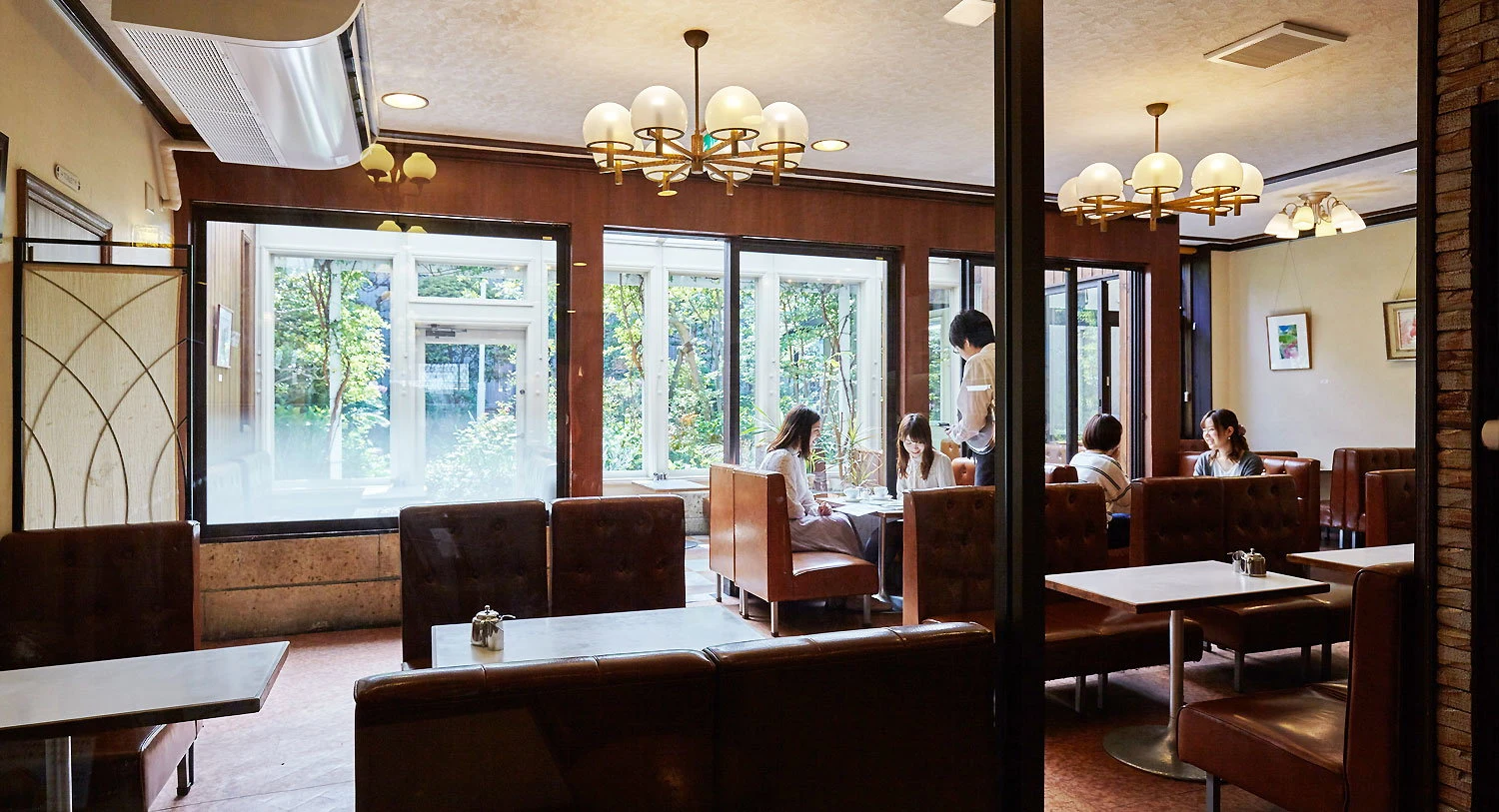
Coffee here is both a cup and a shelf. Cafe Vivement Dimanche has poured its own blends in Kamakura's Komachi for more than three decades and sells them by the bag alongside brewing gear, glassware, books and records. It was ranked fourth on the Tabelog 100 in 2025.
House blends and seasonal lots
The coffee list is where the character sits. House Blend Coffee and the original blend called dimanche are the year-round anchors, joined by seasonal releases: Ajisai Blend for Kamakura's June hydrangeas, SUMMER SAMBA 2026, and an anniversary blend marking the shop's thirty-second year. Alongside them run origin coffees from Brazil, Guatemala, Costa Rica, Burundi, Nicaragua and Mexico, a wide sourcing map for a small room.
The range is graded rather than random. There are master-selected lots, a decaf, a café au lait base for milk drinks, and cup-on coffee for brewing at home. FINEST HOUR sits at the top of the selected tier as a high-grade medium-dark roast, and a Nicaraguan Cup of Excellence lot and a cachaça-barrel coffee show how far the buying goes when something unusual turns up.
Coffee, records and something sweet
The room works at a daytime pace: order, sit, browse, and let the visit run longer than intended. Beans, filters, drippers, mills, cups and canisters are all within reach of the table, so a cup often turns into a bag to take home.
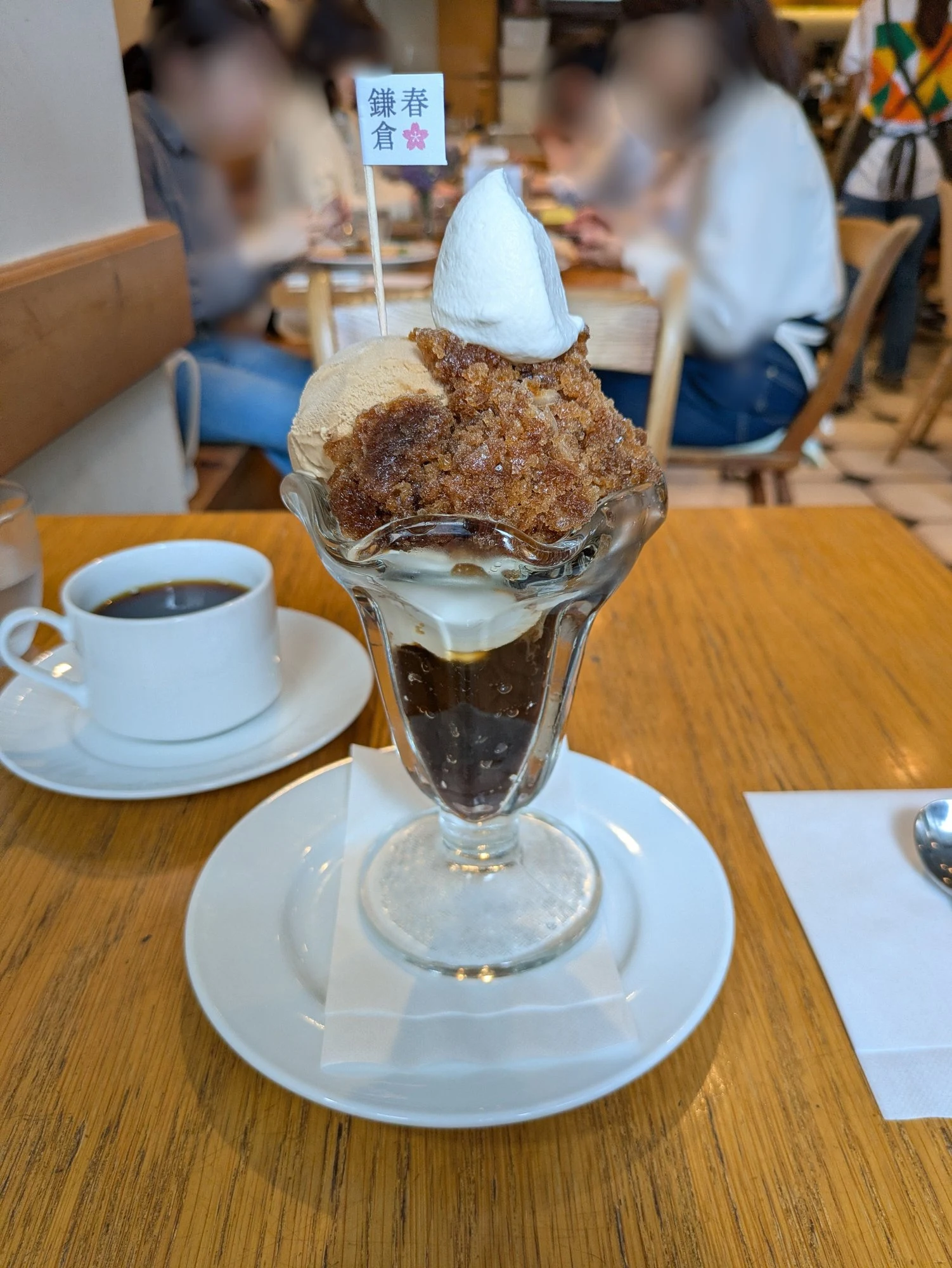
The café also has a listening habit. Coffee Talk Session, compilations, CDs, books and artist-linked goods put music and print beside the drinks, and the kitchen keeps a kissaten register on the food side: pudding parfait, waffles and omelette rice, ordered as readily as the coffee. A podcast and a run of compilation records extend the same habit past the room itself, and the shelf carries T-shirts and branded goods next to the beans.
Start with the house blend
Begin with House Blend Coffee or the original dimanche if the visit is about understanding the shop's own taste. Seasonal blends are the next step, with Ajisai and SUMMER SAMBA 2026 showing how the roasting shifts through the year.
For something more particular, ask for the master-selected tier, FINEST HOUR included, or a single origin from Guatemala, Burundi, Costa Rica, Brazil, Mexico or Nicaragua. Beans come in 100g, 200g, 300g, 500g and 1kg for home brewing. Add a pudding parfait or waffles if the coffee is going to sit for a while.
Tags
Frequently asked questions
Which coffee should you start with at Cafe Vivement Dimanche?
House Blend Coffee or the original blend called dimanche, if the visit is about the house taste. Seasonal releases such as Ajisai Blend and SUMMER SAMBA 2026 show how the roasting moves through the year, and the master-selected tier, FINEST HOUR included, is the step up for anyone who wants something more particular.
Can you buy beans to take home?
Yes. House blends, seasonal lots, master-selected coffees, decaf and a café au lait base are all sold by the bag, in 100g, 200g, 300g, 500g and 1kg formats, alongside filters, drippers, mills, cups and canisters. The retail shelf is as much a part of the room as the tables are.
Compare nearby places
| Venue | Type | Area |
|---|---|---|
| Iwata Coffee Ten | Café | Komachi, Kamakura |
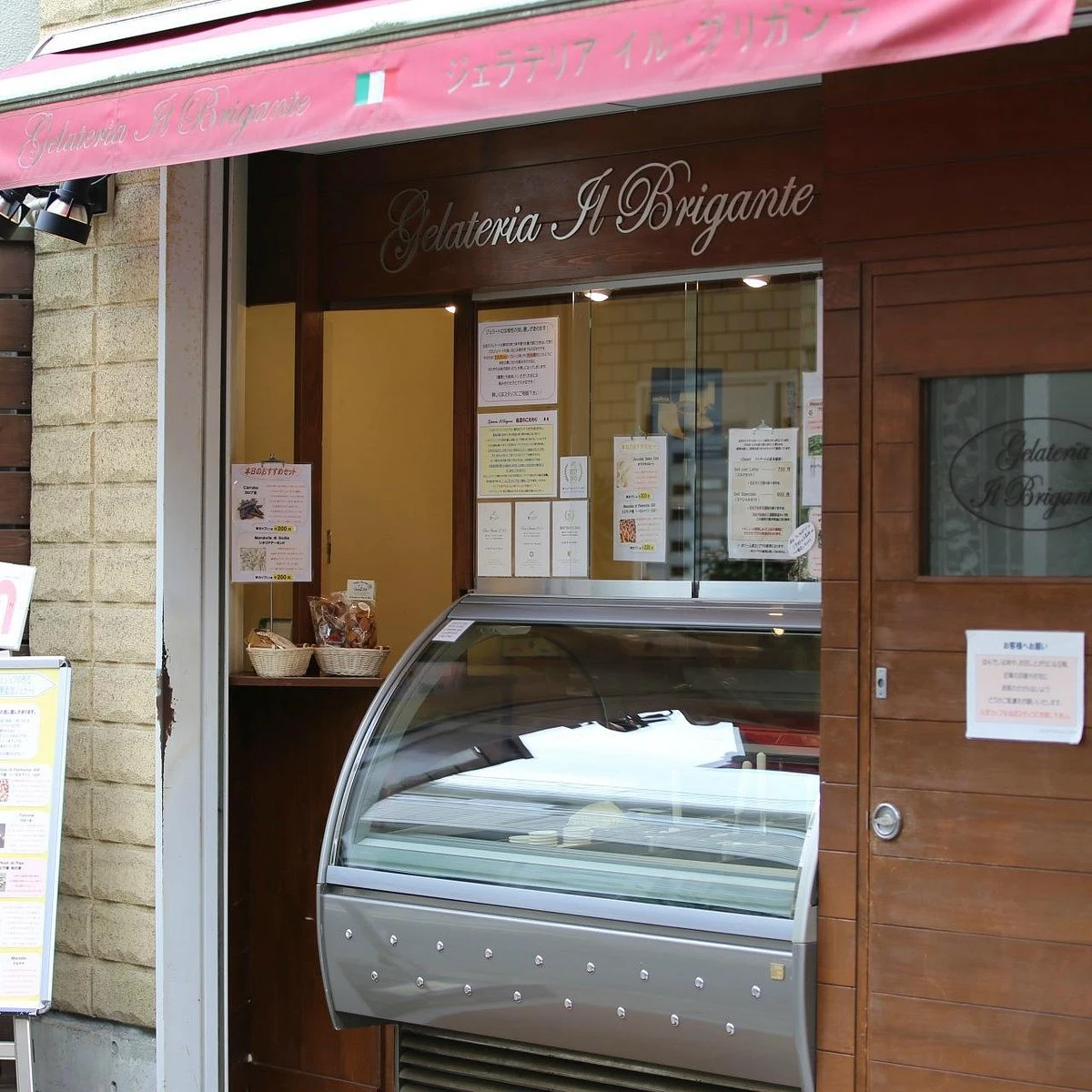
| Gelateria Il Brigante | Café | Komachi, Kamakura |
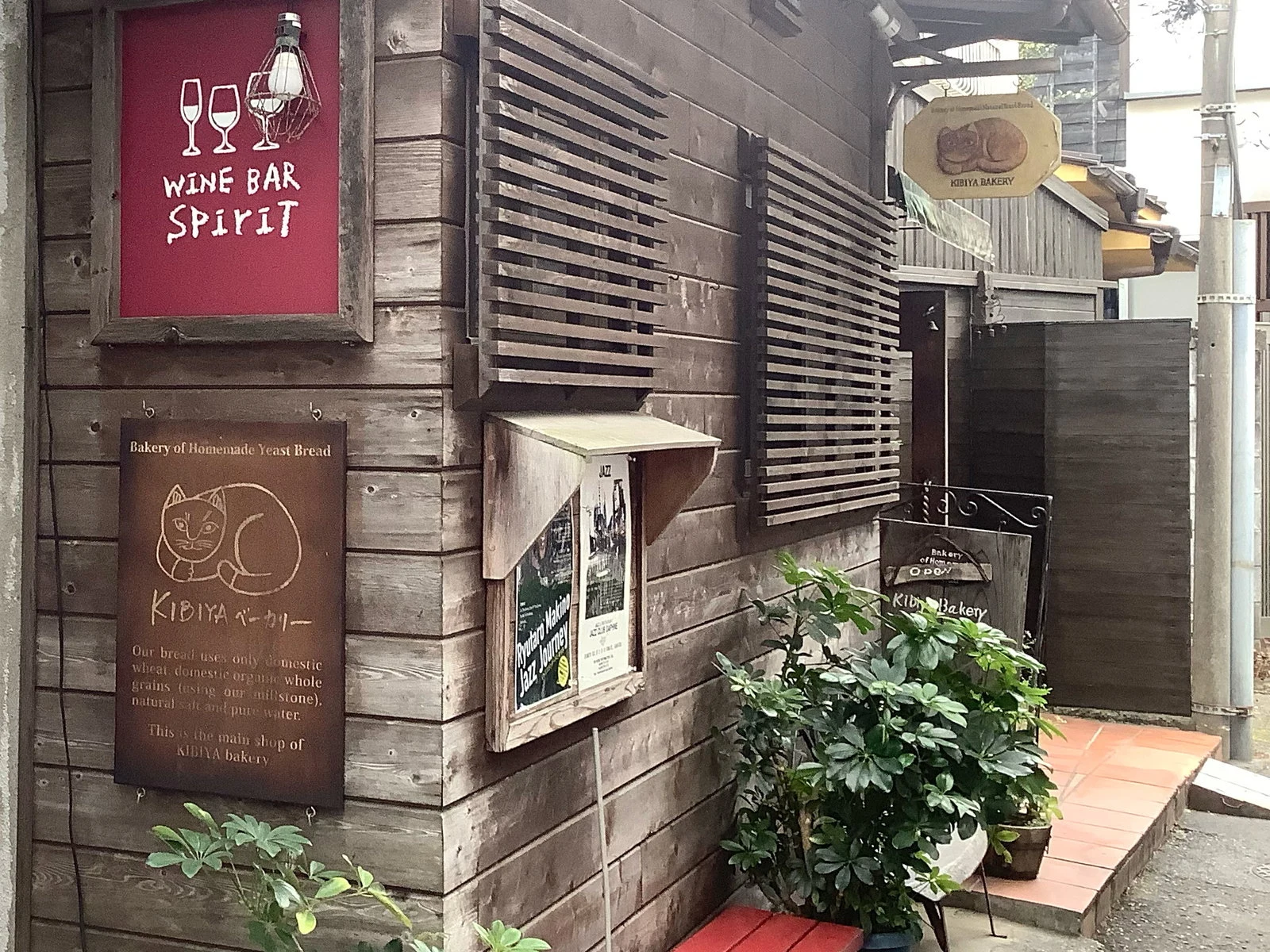
| KIBIYA Bakery Honten | Bakery | Onarimachi |
| BOULANGERIE E.S. | Bakery | .Zushi |
| Hilo Homemade Ice Cream | Café | Kugenumakaigan |