Why go
Nel drip, the cloth-filter method that defines a Japanese kissaten, is how the house blend has been brewed on Komachi-dori since 1945.
The house blend, poured through cloth
Coffee stays at the centre here. The blend is Iwata Coffee Ten's own, drawn slowly through a cloth filter rather than pushed through a machine, and the room treats that pour as the point of the visit rather than a preface to a menu. The card is grouped simply as drink, dessert and food, which keeps a coffee shop a coffee shop instead of letting it drift into restaurant territory. What the house talks about is the blend, the care of the extraction, and how the finished cup looks once it reaches the table.
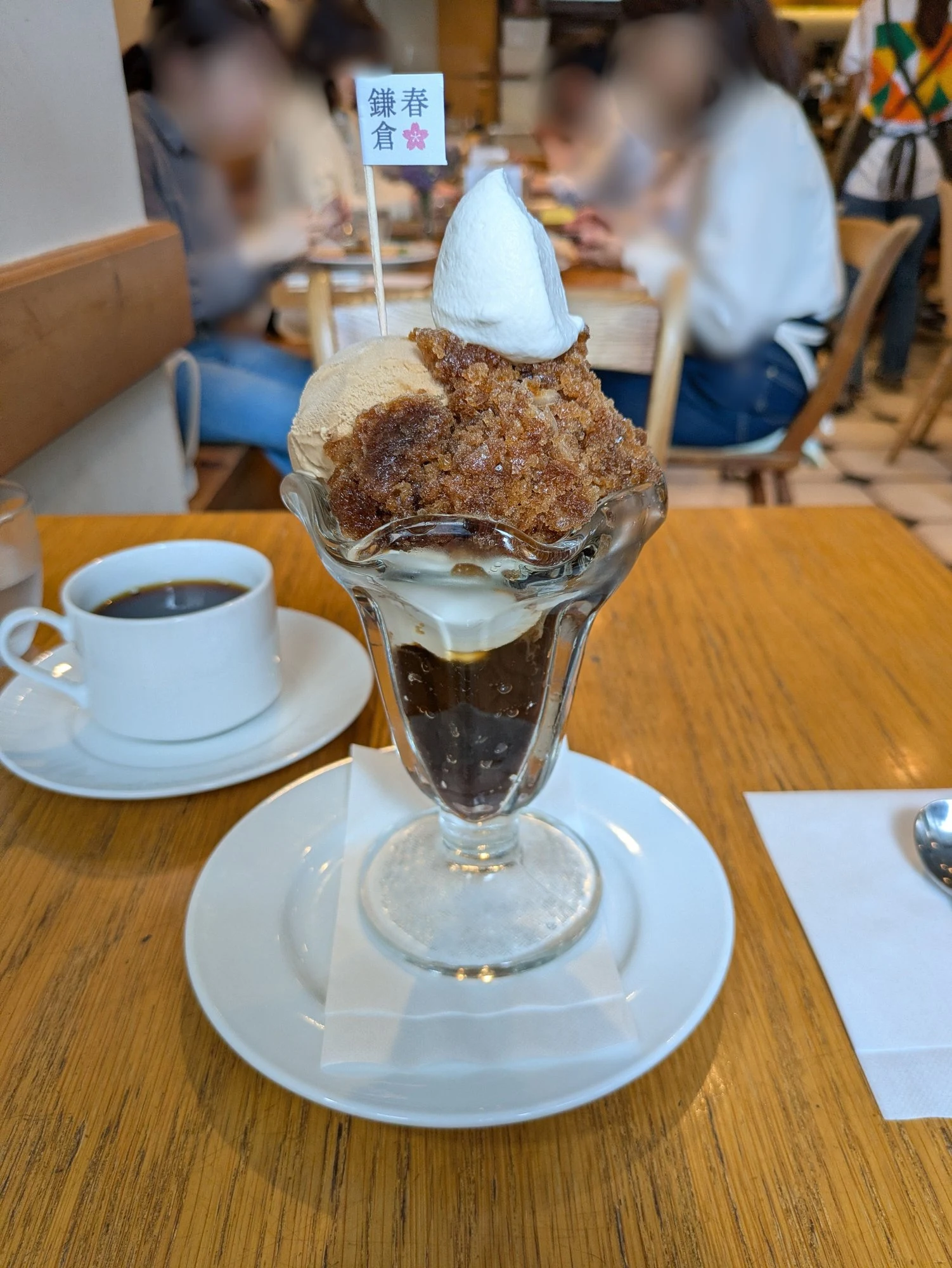
The sweets keep the same classic pattern. Hot cakes are the best-known plate, and they sit alongside pudding, cakes, fruit sandwiches and seasonal fruit parfaits. The fruit sandwiches are cut to show a bright cross-section, and the parfaits are built on whatever the season is giving. Savoury runs short and deliberate: cold sandwiches and potato salad, nothing that would pull the kitchen away from the case.
Eight decades on Komachi-dori
Iwata has held the same Kamakura position since 1945, on the pedestrian street that carries most of the town's foot traffic. The shop describes itself as valuing both what changes and what does not, and the room reads that way: a long-running coffee shop kept going by regulars, with visitors folding into the same rhythm rather than replacing it.
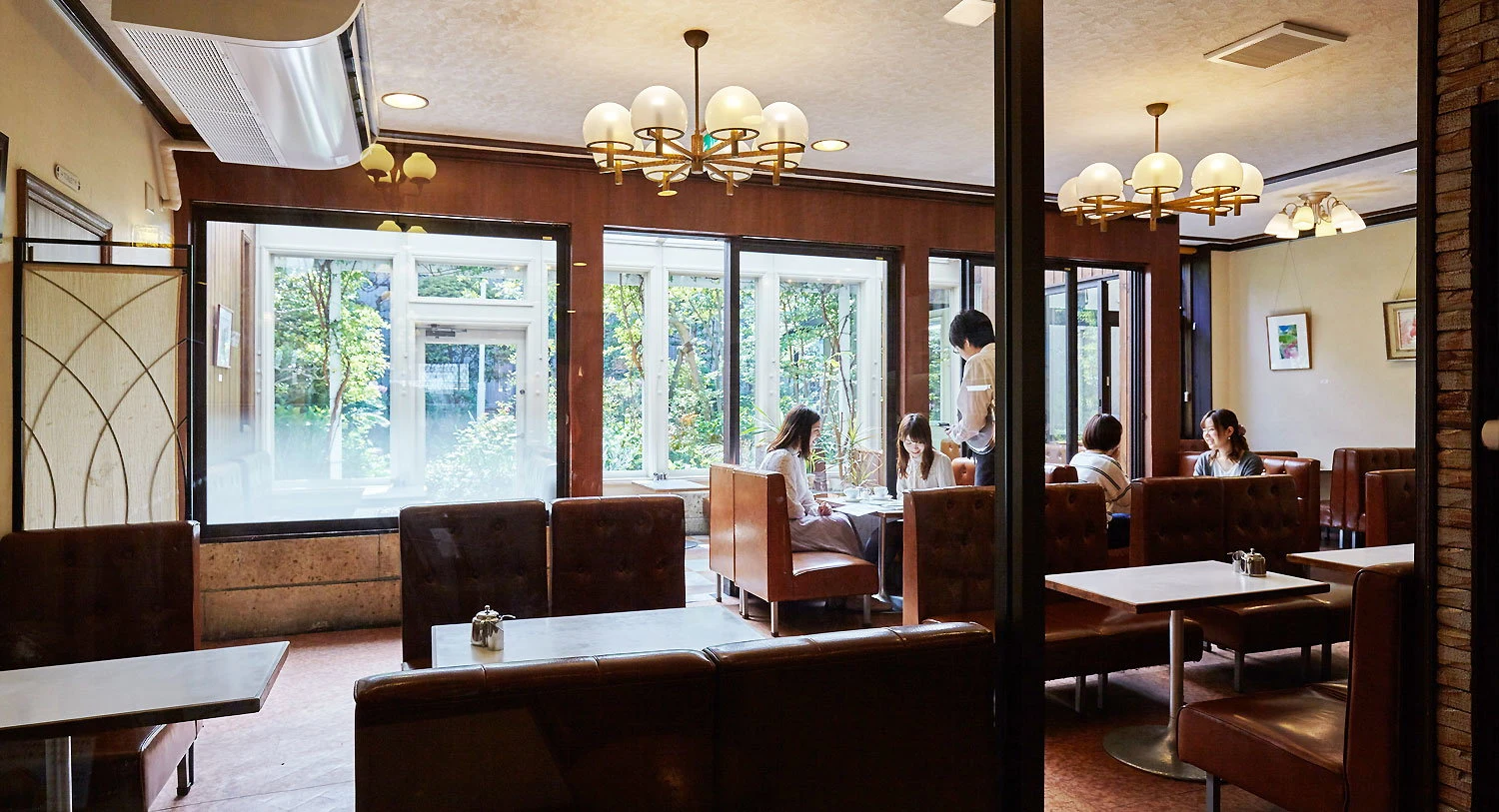
Komachi-dori is busy for most of the day, which makes the seating that looks onto the green, leafy garden the quiet counterweight to the street. That view, more than any design statement, is what turns a cup here into a pause rather than a queue.
Order the hot cakes with a nel-drip coffee
The pairing that defines the shop is hot cakes with the nel-drip house blend. It is the most specific thing on the menu and the fastest way to understand why the place has lasted. After that the choice is a direction rather than a dish: the fruit sandwich for colour and a clean cut surface, or the seasonal fruit parfait for sheer volume of fruit and a plate that changes through the year.
If the visit needs something savoury first, cold sandwiches and potato salad do that job without ceremony, and pudding or a slice of cake will finish it. Treat Iwata as a coffee-and-sweets stop: one carefully brewed cup, one plate from the case, and a garden to look at while the street fills up outside.
Tags
Frequently asked questions
What should you order at Iwata Coffee Ten?
Start with the house blend brewed by nel drip, the cloth-filter method the shop has used since 1945, and pair it with the hot cakes. From there the case runs to fruit sandwiches cut for their cross-section, pudding, cakes and seasonal fruit parfaits, with cold sandwiches and potato salad for anyone who wants something savoury first.
Compare nearby places
| Venue | Type | Area |
|---|---|---|
| Cafe Vivement Dimanche | Café | Komachi, Kamakura |
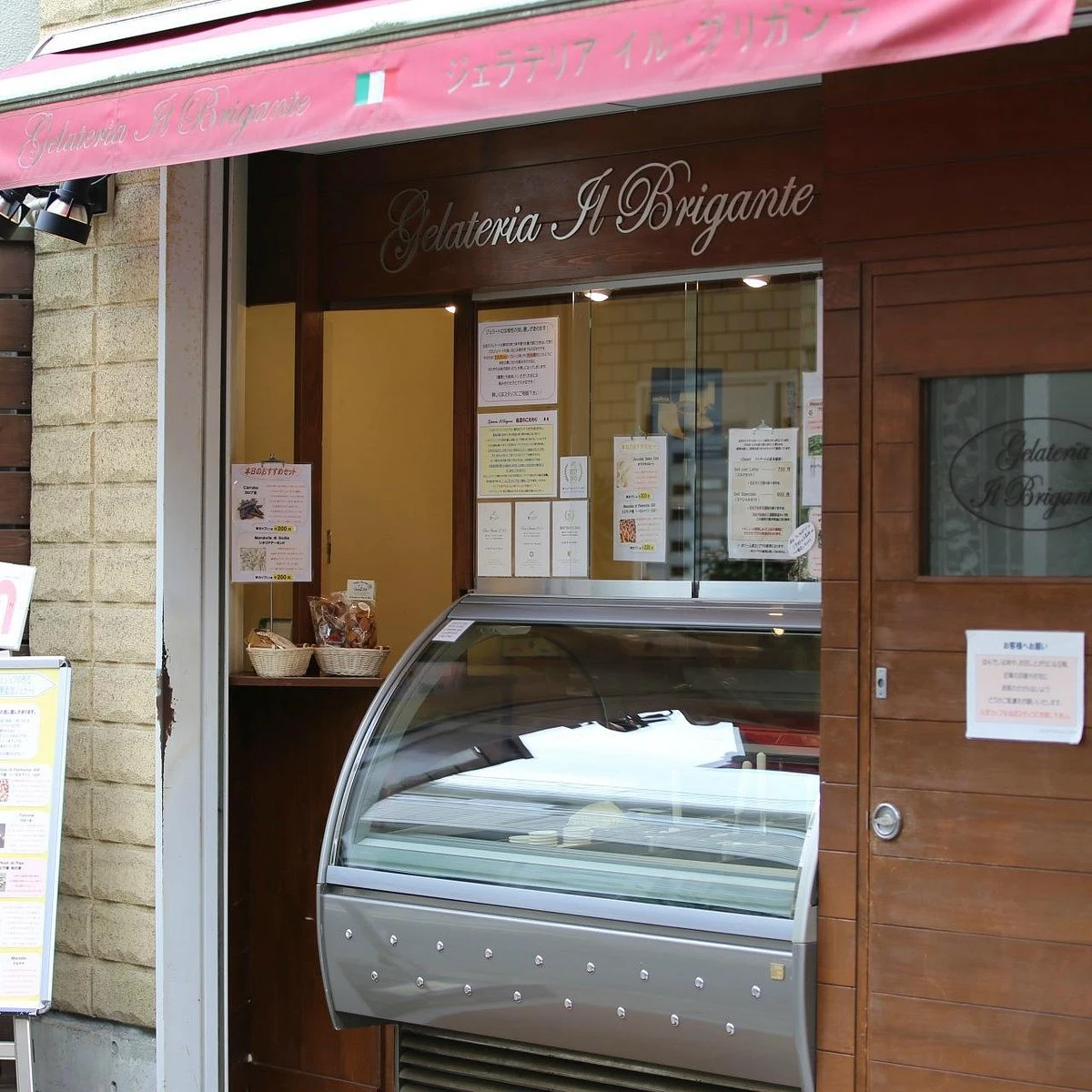
| Gelateria Il Brigante | Café | Komachi, Kamakura |
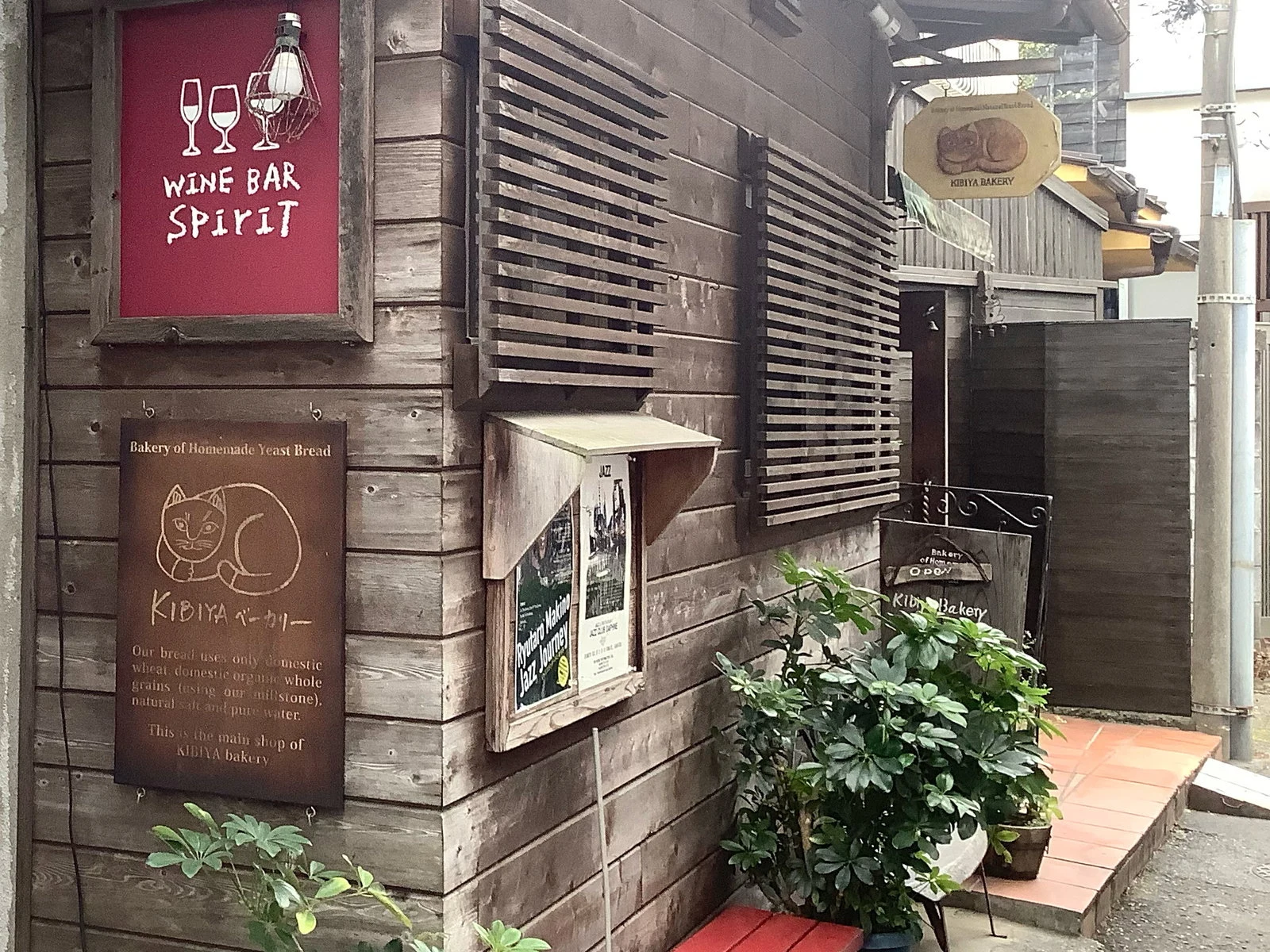
| KIBIYA Bakery Honten | Bakery | Onarimachi |
| BOULANGERIE E.S. | Bakery | .Zushi |
| Hilo Homemade Ice Cream | Café | Kugenumakaigan |