Why go
Hard breads first, sweets close behind
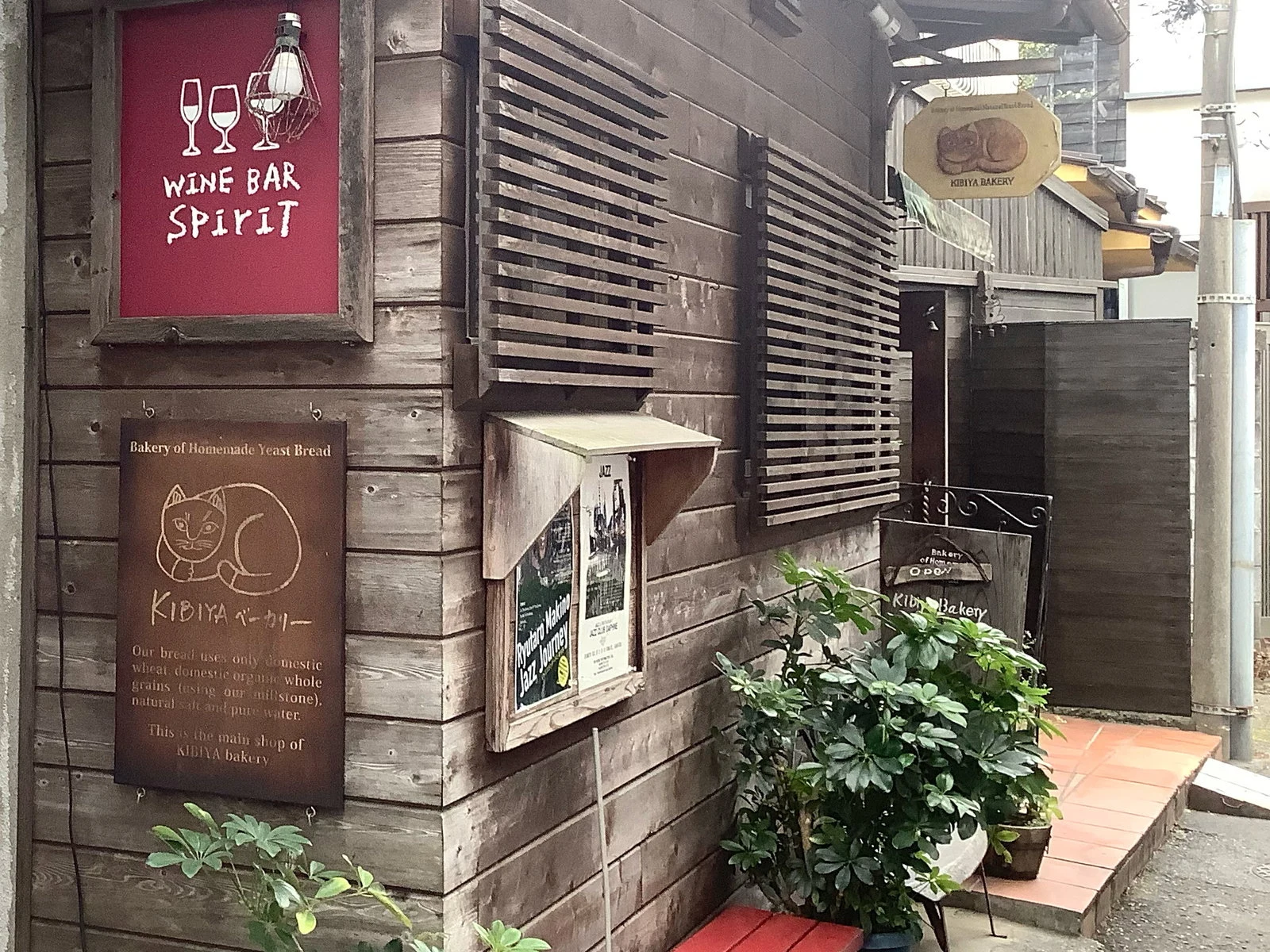
Hard breads set the tone at this Kamakura bakery: plain and sesame loaves for the everyday shelf, then apricot bread, currants and nuts, bran bread, rosemary and raisin, and campagne for the days that want more character. That range gives the shop a dual role, a place for daily bread buying and a destination for the more distinctive bakes. The sweets sit close to the bread identity rather than apart from it. The chocolate croissant wraps smooth milk chocolate in croissant dough and is at its best warmed, when the butter aroma and the melted chocolate come forward together. Seasonal baking turns up in items such as the lemon Bakewell tart, built on wholewheat dough with handmade lemon jam and almond cream. KIBIYA Bakery Honten was ranked #47 in the Tabelog 100 for 2022.
The case is built for choosing, not lingering
The counter is arranged for selection across several needs: a single snack, a loaf for home, a savoury lunch item, or a boxed gift. Beyond plain and seeded loaves, the bread line runs to raisin, fig and walnut, cheese, gorgonzola and gouda, bacon, sausage and curry sausage, giving the shelves both sweet and savoury routes. The bread sets make that structure clearer still. Set A, THE KIBIYA, is the signature collection of original breads, weighted toward hard styles whose flavour develops as they are chewed. Set B, THE FAVORITE, gathers the more approachable items instead: anpan, chocolate bread, butter and milk breads, savoury breads and sweet breads. Between the two, the shop covers both halves of its own reputation without asking anyone to choose blind.
Start with the chocolate croissant, then buy bread
A first order can move from immediate sweets to longer-lasting breads. Start with the chocolate croissant for the clearest pastry signature: croissant dough, smooth milk chocolate, and a warming step that brings the butter and chocolate forward. For something seasonal and more composed, the lemon Bakewell tart brings wholewheat dough, handmade lemon jam and almond cream together in one slice. Then add bread for later, choosing by texture. Plain and sesame cover the daily loaf, while campagne, bran bread, rosemary and raisin, currants and nuts, and fig and walnut show the harder, grain-forward direction. Anpan and chocolate bread belong to the softer sweet lane, and gorgonzola and gouda, bacon, sausage and curry sausage pull the basket savoury. For a gift, the original cookie box adds almond, chocolate chip, sesame and peanut, plus butter, macadamia, cheese, rye and cranberry, and Russian cookies.
Frequently asked questions
What should I order first at KIBIYA Bakery Honten?
Start with the chocolate croissant, which wraps smooth milk chocolate in croissant dough and is best warmed, so the butter aroma comes forward. Then add bread for later: plain or sesame for everyday eating, or campagne, bran bread and rosemary and raisin if you want the harder, grain-forward side of the counter.
What is the difference between the two KIBIYA bread sets?
Set A, THE KIBIYA, is the signature collection of original breads, weighted toward hard styles whose flavour develops as they are chewed. Set B, THE FAVORITE, gathers the more approachable items instead: anpan, chocolate bread, butter and milk breads, and a mix of savoury and sweet breads. Between them they cover both halves of the bakery.
Compare nearby places
| Venue | Type | Area |
|---|---|---|
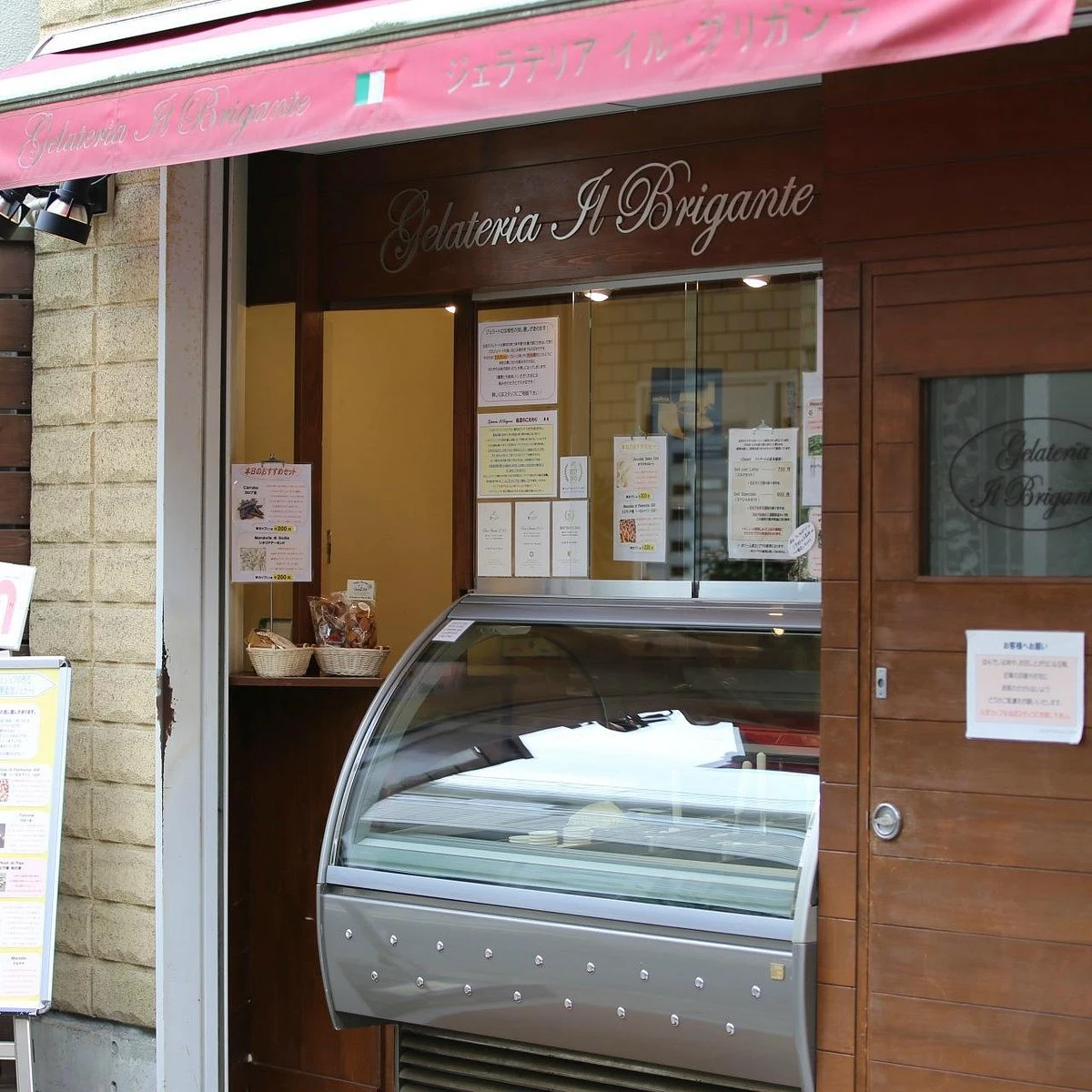
| Gelateria Il Brigante | Café | Komachi, Kamakura |
| Iwata Coffee Ten | Café | Komachi, Kamakura |
| Cafe Vivement Dimanche | Café | Komachi, Kamakura |
| BOULANGERIE E.S. | Bakery | .Zushi |
| Hilo Homemade Ice Cream | Café | Kugenumakaigan |