Why go
Curry bread on one side, apple pie on the other
Two things carry the case at ASINA BAKERY ASIBE. Curry bread covers the savoury end, the fried, filled staple that most Japanese neighbourhood bakeries are judged on, and apple pie covers the sweet. Between them they describe the shop well, because this is a bakery working in everyday Japanese bakery formats rather than a patisserie or a café with a drinks list. What is on the shelf is what there is, and the sensible move is to read the day's baking and build a bag around one savoury item and one sweet one.
A bench out front, a counter inside
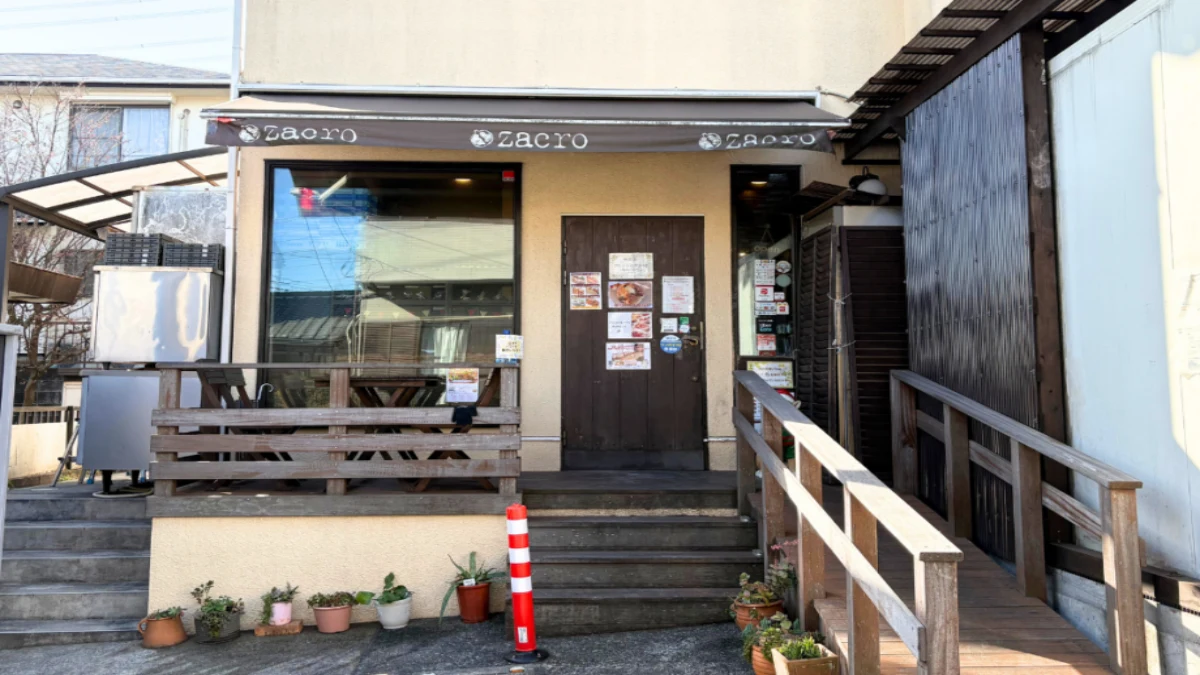
The storefront is plain and the shop is small. There is a bench outside and a counter inside, and most people buy their bread and carry it away rather than settle in, which gives the place an unhurried rhythm even when there is a queue. Nothing about the room is styled for a long stay. It is a working neighbourhood bakery in Yokosuka, in Kanagawa, the kind of named independent shop that handles routine bread buying for the streets around it and still pulls people who have travelled across the city for a loaf.
The bench is the only concession to staying, and it is a good one on a fine day: bread in hand, nothing much to do but eat it. There is no coffee programme or seating plan to pull attention away from the case, so the whole visit is the walk in, the look along the shelf, and the choice.
Why the name travels beyond Yokosuka
ASINA BAKERY ASIBE was placed 91st on the Tabelog 100 bakeries list in 2022, which is the clearest sign that it is read as more than a local convenience. That kind of placing usually follows consistency rather than novelty, and it fits a shop whose reputation rests on two well-made staples instead of a long list.
For a first visit, treat it as a bakery-first stop and keep expectations aimed at the bread and pastry rather than at a café experience. Ask for curry bread and apple pie if they are out, then add whatever else has come from the oven. The pleasure here is in ordinary things done properly, in a shop small enough that the day's baking is the entire menu.
Frequently asked questions
What should I order at ASINA BAKERY ASIBE?
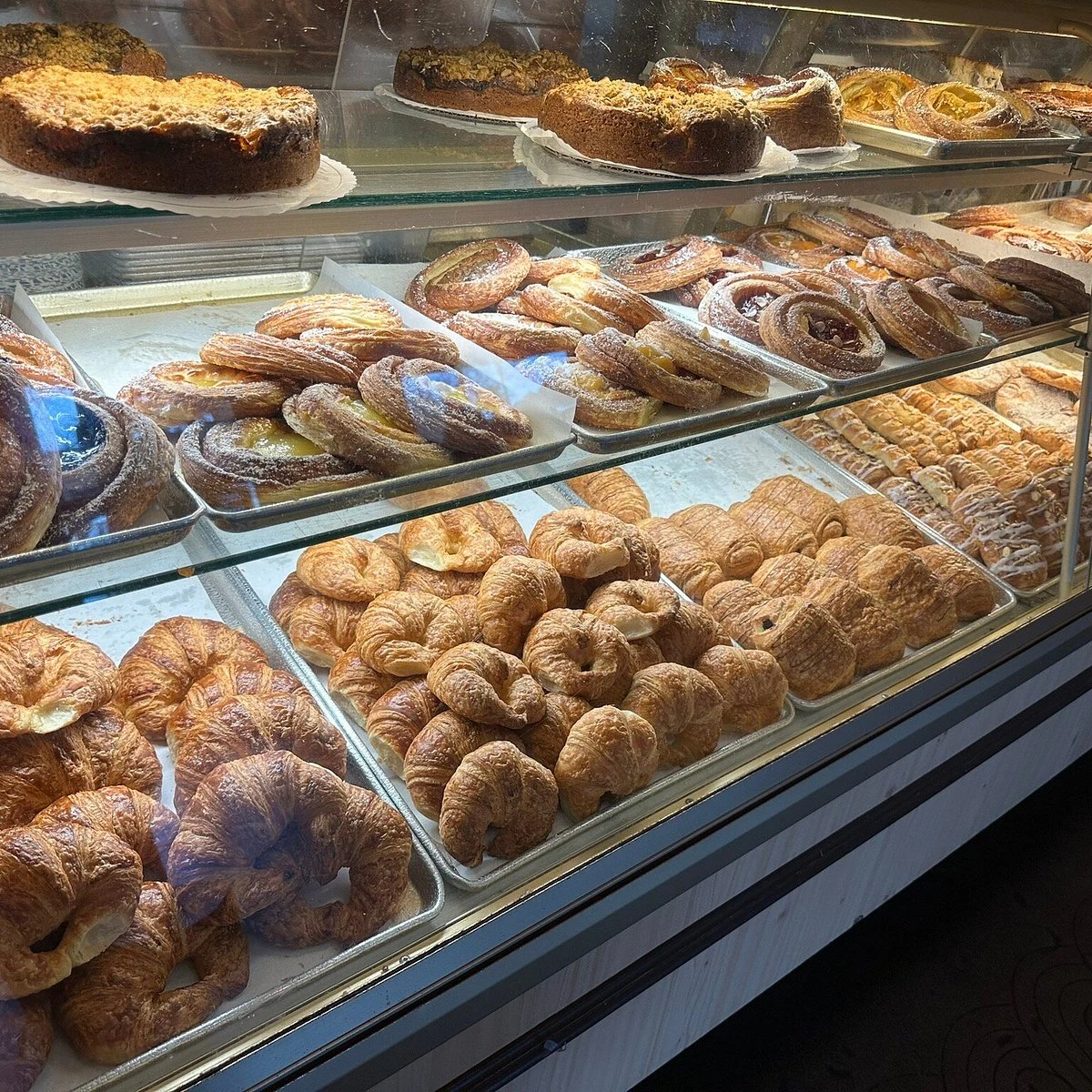
Curry bread and apple pie are the two items the bakery is known for, one savoury and one sweet, and together they cover most of what people come for. Beyond those, the case changes with the day's baking, so the practical approach is to look at what has come out of the oven and choose from the shelf.
What kind of bakery is it?
A small independent neighbourhood bakery rather than a patisserie or a café. The storefront is plain, service happens at the counter, and there is a bench out front, so most customers buy bread and pastries to take away rather than sit down. It was placed 91st on the Tabelog 100 bakeries list in 2022.
Compare nearby places
| Venue | Type | Area |
|---|---|---|
| Boulangerie zacro | Bakery | Highland |
| Yokosuka Gelato Factory | Café | Shinkocho |
| BOULANGERIE E.S. | Bakery | .Zushi |
| KIBIYA Bakery Honten | Bakery | Onarimachi |
| Iwata Coffee Ten | Café | Komachi, Kamakura |