Why go
Jimbocho’s coffee culture has always had a different tempo from Tokyo’s glass-fronted espresso bars. Around the bookshops, music stores, publishing offices, and university streets, the kissaten remains a room for lingering rather than a caffeine transaction: a counter, tables, low conversation, and a sense that the city has briefly stepped down a gear. Koseto Coffee Ten fits that older Tokyo grammar. The address in Kanda Ogawamachi puts it between Jimbocho and Ochanomizu, an area where curry shops, student cafés, used-book stores, and postwar coffee rooms form a denser cultural map than the station names suggest.
The signal here is reputation within a specialist category. Tabelog selected the shop for its Kissaten 100 list in both 2021 and 2022, a useful marker because kissaten are judged less by novelty than by consistency, regulars, and how well a room holds its mood over time. In a city where coffee has split between precision-driven roasters and older café rooms, that recognition places Koseto Coffee Ten on the heritage side of the argument. It is not trying to behave like a Nordic-style brew bar or a dessert café built for photographs. Its category is kissa, the Japanese coffee shop, with café overlap rather than restaurant ambition.
Jimbocho's kissaten culture rewards patience, not novelty
Tokyo’s kissaten tradition is not simply about coffee. It is about the social function of a room: solo customers reading, friends extending an afternoon, office workers using the lull between meetings, and regulars choosing familiarity over trend. That matters in Jimbocho because the neighbourhood has long supported places where time is part of the price. The area’s food culture is also unusually democratic. Curry houses sit beside coffee shops, casual counters, and small cafés, creating a low-spend circuit that can still carry serious local loyalty.
Koseto Coffee Ten sits in the same price band as nearby comparison venues such as Soup Curry Ya Oodori Chiyoda kandasurugadai ten, Curry Rice Senmon Ten Ethiopia Honten, and Curry Ya Banbi, each listed around JPY 1,000–1,999. The comparison is not about cuisine; it is about Jimbocho’s value architecture. This part of Tokyo has a habit of making modest budgets feel culturally dense. A coffee stop can carry as much neighbourhood meaning as a curry lunch, particularly when it has enough critical recognition to appear on a category-specific list.
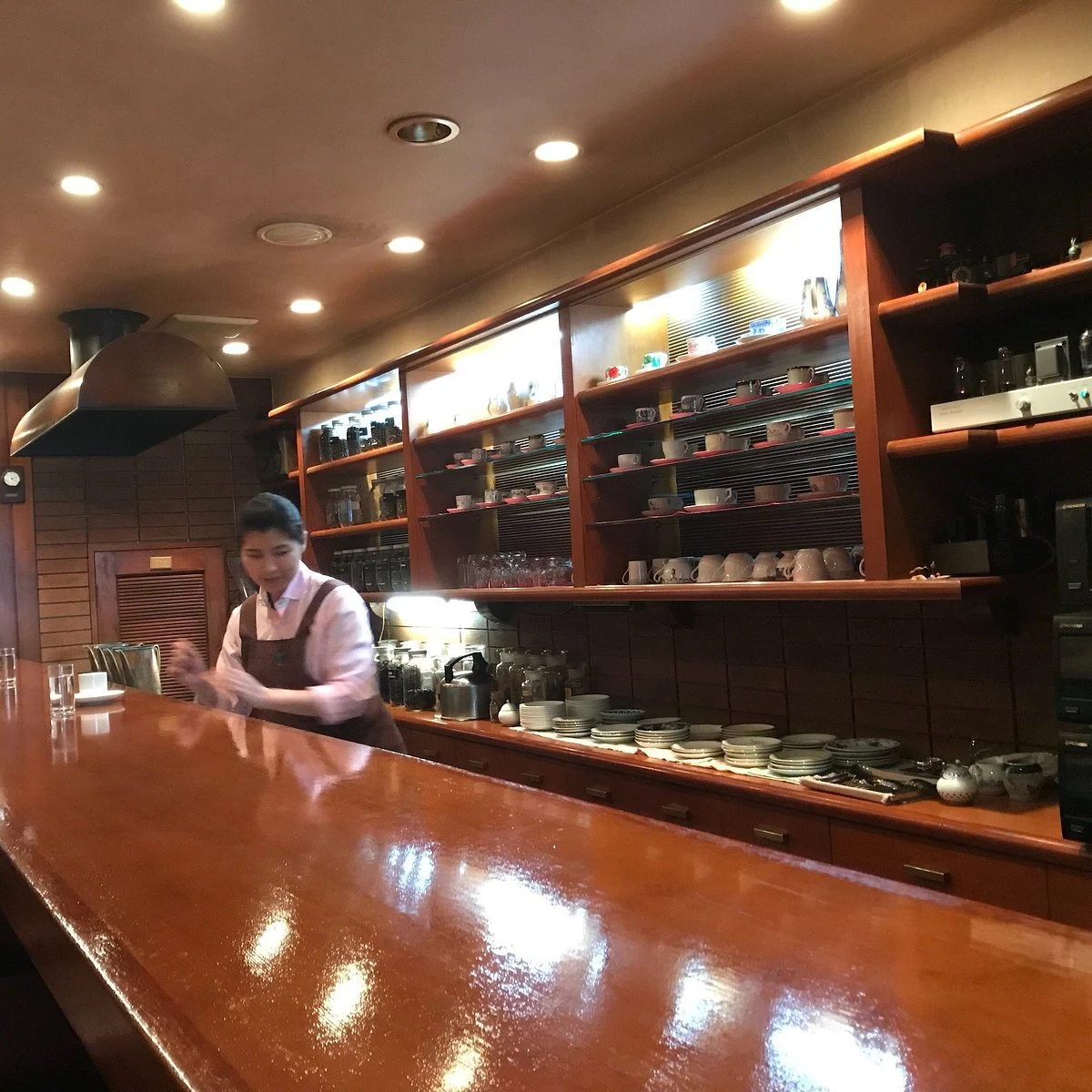
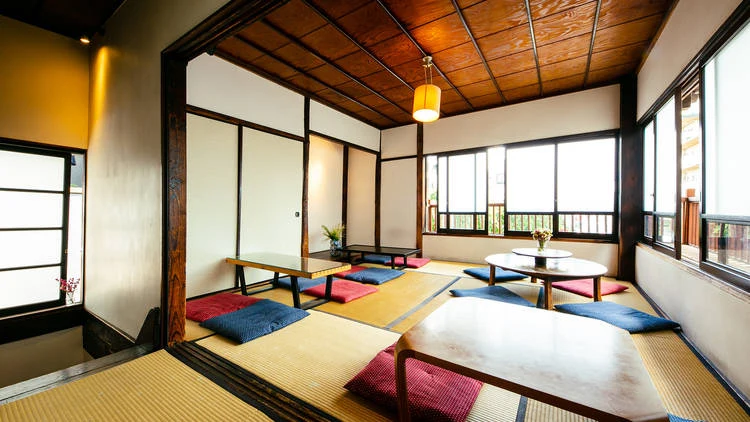
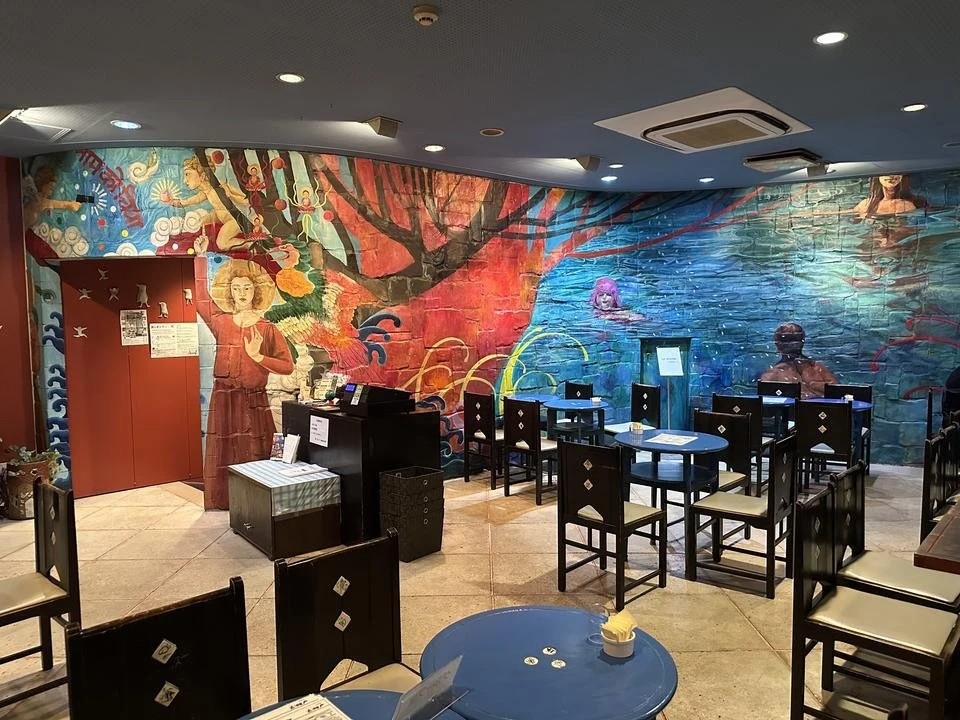
The 34-seat format, split between counter and table seating, is also telling. Kissaten are not built for the throughput logic of chain cafés, yet they are rarely precious. Counter seats suit solo use; tables allow the slower rhythm of conversation. That balance explains why the format has survived in Tokyo despite pressure from convenience coffee, global chains, and high-design roasters. The old coffee-shop model offers something none of those categories fully replace: a semi-private public room.
Awards matter differently in the kissaten category
Restaurant awards often reward technical kitchens, tasting-menu choreography, or luxury service. Kissaten recognition works on quieter evidence. A Tabelog 100 selection for this category points toward sustained affection from a large dining public rather than a single critic’s dramatic discovery. The listed Tabelog score of 3.74 reinforces that position: high enough to signal serious local traction, yet still in the register of a neighbourhood institution rather than a reservation trophy.
That distinction is useful for travellers. Tokyo’s coffee scene can be read through three broad modes: craft roasters for bean provenance and extraction, dessert-led cafés for visual culture, and kissaten for atmosphere and continuity. Koseto Coffee Ten belongs to the third group. The draw is not a chef narrative, a named signature item, or a theatrical service format. The point is the continuity of the room, the fact that a coffee shop in a dense central district can still operate with the manners of an older Tokyo.
Jimbocho makes that continuity sharper. Few Tokyo neighbourhoods connect food, print culture, education, and everyday commuting so cleanly. A visitor can move from a bookshop corridor to a curry counter to a coffee room without changing the city’s register. For wider Tokyo planning, EP Club’s restaurant coverage is better used as a map of categories rather than a single checklist: compare neighbourhood dining through Our full Tokyo restaurants guide, then widen the trip with Our full Tokyo hotels guide, Our full Tokyo bars guide, Our full Tokyo wineries guide, and Our full Tokyo experiences guide.
How to place it within a Tokyo food day
The smart use of a kissaten in Tokyo is not to force it into the role of a destination dinner. It works as a hinge between stronger experiences: after a bookshop crawl, before an evening bar, or between lunch and a later reservation. In Jimbocho and nearby districts, that can mean pairing the old coffee-shop mood with casual local meals rather than luxury dining. For travellers building a wider route, nearby Tokyo references across EP Club include. 鮪と炭火焼き うお炭 秋葉原店, 12/10 Shinjuku ten, 124. KAGURAZAKA (Yakitori), 2D Cafe, and 3 Chome no Curry Ya San.
Seen nationally, the appeal of Japanese cafés and casual dining is not confined to Tokyo. The same low-formality, high-specificity pattern appears in different forms at -Grilled beef Sukiyaki- KAMAKURA TANUKIAN 鎌倉 たぬき庵 in Kamakura,.cafe in Osaka,.know in Kumamoto, (Shoku) Vietnam in Kawasaki, [Curry Senmon Ten] Maruyama Kyoju. in Sapporo, and [ki:] in Kyoto. Even outside Japan, related appetite for focused Japanese formats shows up at Jōdo Saké Bar in Los Angeles and Onigiri Time in Pasadena.
The editorial case is simple: Koseto Coffee Ten is valuable because it explains a part of Tokyo that luxury dining often misses. Awards give it external validation, but the deeper interest is cultural. In Jimbocho, a coffee shop can function as a reading room, meeting place, and neighbourhood memory bank. That is the reason to place it in an itinerary, especially for travellers who want Tokyo’s quieter institutions alongside its harder-to-secure counters.