Why go
Coffee courses instead of a quick cup
The counter at Koffee Mameya Kakeru in Tokyo is built for courses rather than a paper cup: seasonal brews, pairings and cocktail-style drinks, served in sequence. The format grows out of the bean-shop habit of talking through taste, equipment and home brewing, then turns that conversation into a seated menu. Eiichi Kunitomo’s wider Mameya project has always treated coffee selection as the work, and Kakeru pushes it further with cold brews, milk brews, mocktails, lattes and coffee cocktails.
Roasters from Japan and abroad move through the programme, and the baristas steer the choice by preference rather than by a fixed house origin. The house cares about the vessel too: custom Ehime ceramic mugs with an angled handle and a convex interior, closer in purpose to a wine glass, hold the aroma in a tighter space. It was ranked 28th in The World’s 100 Best Coffee Shops in 2026.
A warehouse counter with a measured pace
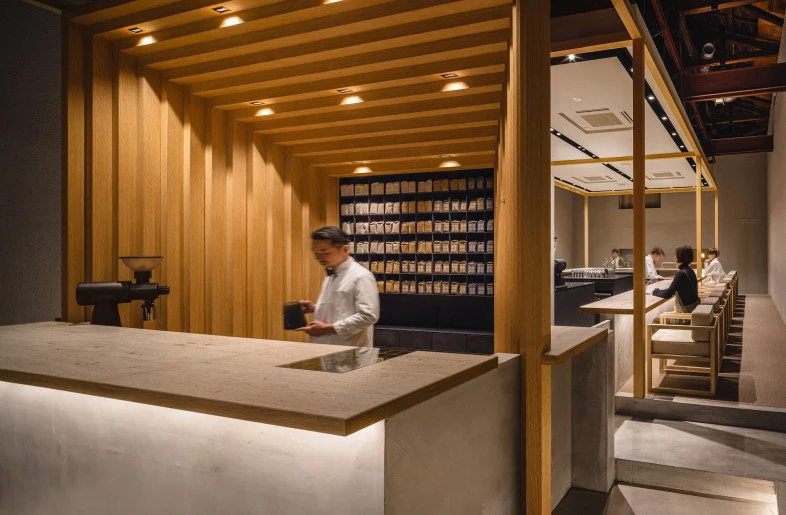
The room has the discipline of a tasting bar. The interior is arranged around a large oak structure, coffee shelves, a three-sided stone counter and black tables, so the work stays visible without becoming theatre. All the seating is at that counter and groups stay small, which suits the way service runs: a barista can ask what sort of cup you usually drink and what you brew with at home, then narrow the choice from there.
It is not the place to drop into between errands and expect the ordinary rhythm of espresso, tray, door. The pleasure is in the held pace: the grind being adjusted, the brew being explained, the sweet arriving as part of the sequence rather than being grabbed from a case.
Start with the coffee cocktail
Ask first for the coffee cocktail if one is on the current course. The version built from milk brew, hop-accented jasmine tea, lemon and prickly ash water explains the room quickly: coffee is the base, but the grammar comes partly from the cocktail bar, partly from Japanese tasting menus, and partly from the serious home-brewing counter.
If the course is leaning gentler, the mocktails and lattes carry the same idea without alcohol. The sweets are there to tune the cup rather than to distract from it, and cheesecake, chocolate terrine and gelato have all appeared in that role. Choose the chocolate terrine when the coffee is structured and low-toned, gelato when the brew wants contrast, and cheesecake when the pairing needs weight without too much bitterness.
Tags
Frequently asked questions
What is a coffee course at Koffee Mameya Kakeru?
It is a seated sequence rather than a single drink. A barista asks what you usually drink and what you brew at home, then builds a run of seasonal brews, milk brews, mocktails, lattes or coffee cocktails around the answer, with a sweet placed to tune the cup.
What should I order first?
Ask for the coffee cocktail if one is on the current course, since it shows the range of the bar fastest: coffee as the base, with jasmine tea, citrus and prickly ash pulling it toward a cocktail bar. If you would rather not drink alcohol, the mocktails and lattes follow the same idea.
Compare nearby places
| Venue | Type | Area |
|---|---|---|
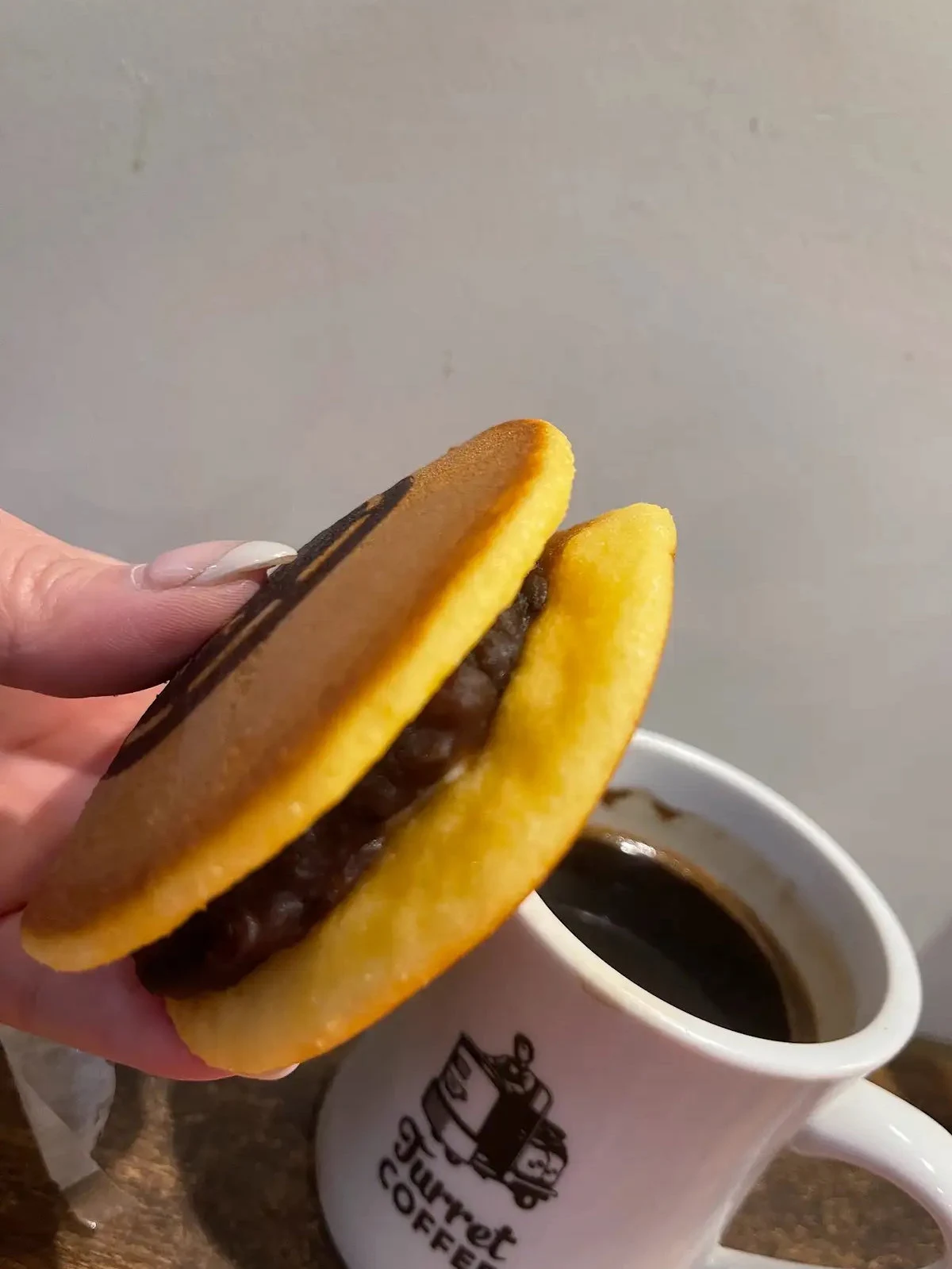
| Turret Coffee | Café | Tsukiji |
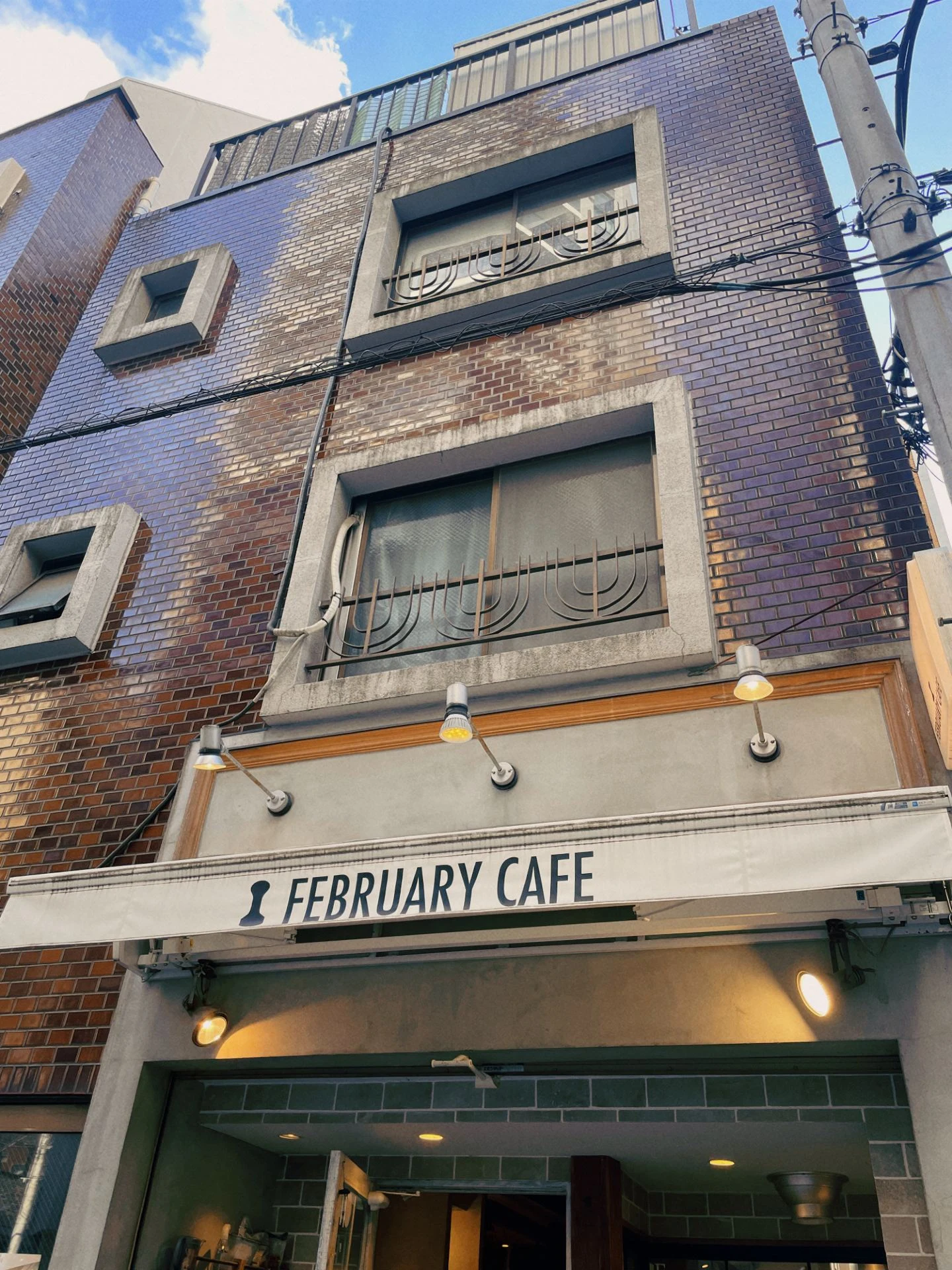
| FEBRUARY CAFE | Café | Asakusa / Taito |
| Jikaseibaisen Coffee Mijinko | Café | Bunkyo / Yushima |
| AKHA AMA COFFEE Kagurazaka | Café | Kagurazaka |
| All Seasons Coffee | Café | Shinjuku |