Why go
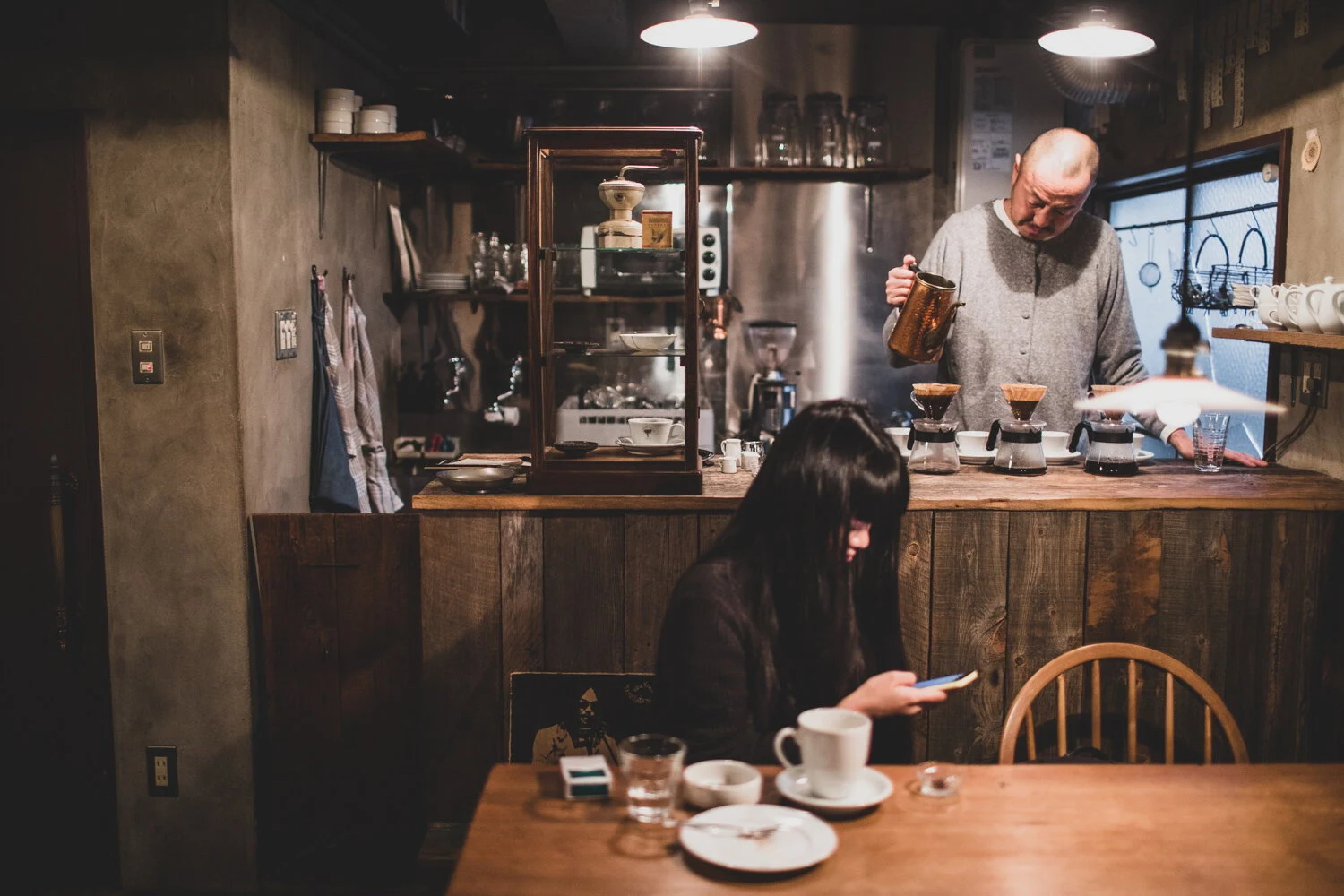
The roaster is on the premises and the coffee is poured by hand, one cup at a time. Cafe Verdi is a self-roasting kissaten in Shimogamo that handles its own beans and brings them to the table rather than sliding them across a counter.
Self-roasted, hand-dripped
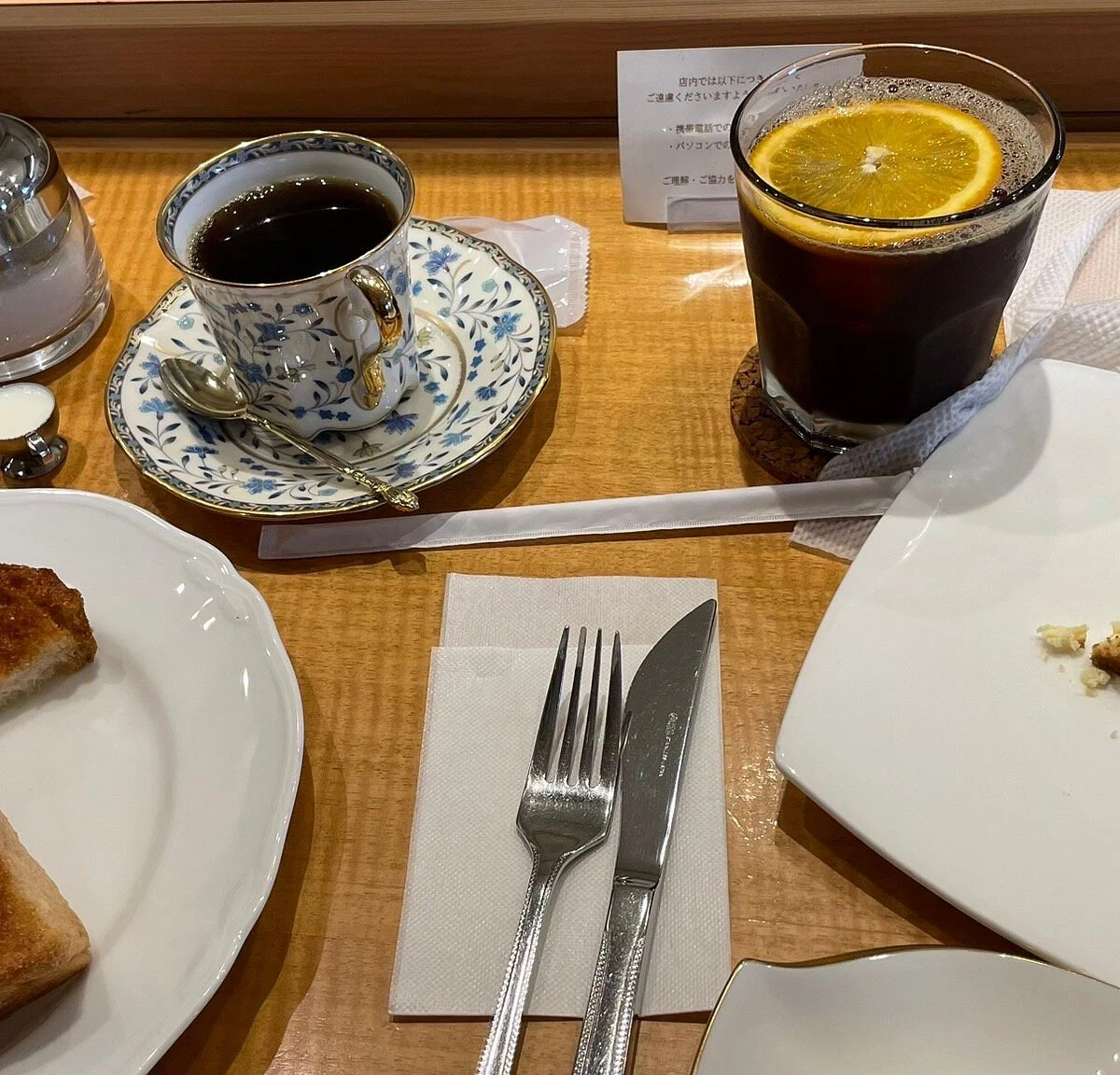
Roasting in house is the defining choice, and hand drip is the method it is built for. Coffee is brewed to order and poured slowly, which is slower than a machine and is meant to be, because the point of roasting your own beans is to control the cup from green through to the last pour. Draft iced coffee is the cold counterpart and the order that suits a Kyoto summer, when hand drip stops being the obvious choice. Between the two you get the whole picture of what the roast is doing: hot and slow for clarity, cold and drawn for weight.
A calm room in Sakyo
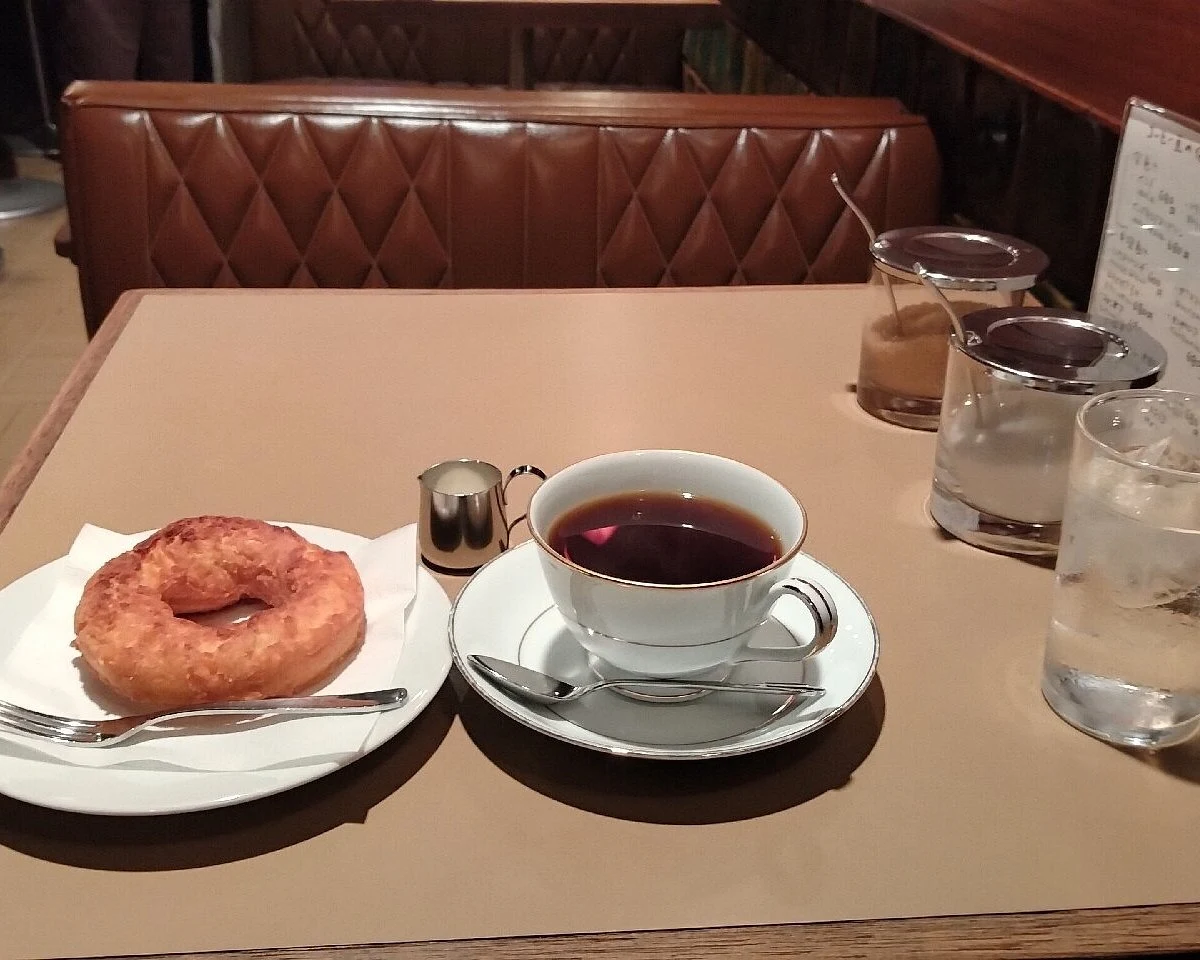
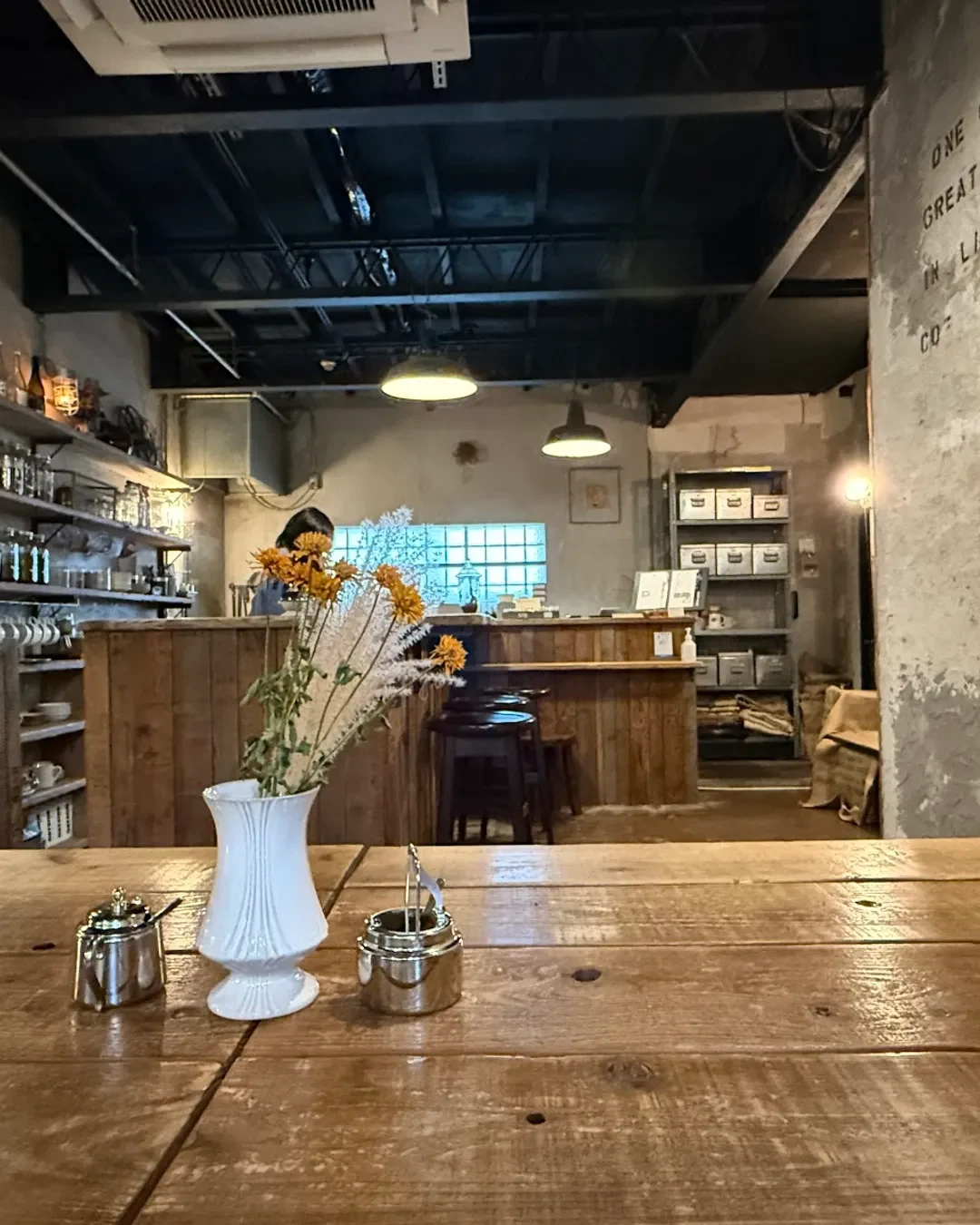
The interior is traditional and home-style, decorated with care rather than styled for a camera, and the mood is quiet in the way a proper kissaten is quiet. Table service sets the pace: you sit, you order, someone brings it, and nothing about the room encourages you to leave quickly. That makes it a different proposition from a specialty coffee bar, where the counter is the show. Here the coffee arrives at your table and the room stays out of the way, which is the older Kyoto model and still the more restful one. The kissaten is a particular Japanese institution: a coffee house that expects you to stay, reads as domestic rather than commercial, and treats a single cup as enough reason to occupy a table for an hour. Shimogamo, north of the centre, suits that pace better than the streets around the station do.
Order hand drip, then curry or sweets
Hand drip first, always, on a first visit. It is the house method and the fairest test of the roasting. Draft iced coffee is the alternative when you want something cold rather than a hot cup, and it is worth ordering on its own terms rather than as a fallback. After that the menu splits two ways. House-made sweets are the afternoon option and the natural partner to a second cup. The original curry is the savoury side, cooked to the house recipe rather than bought in, and it is what turns a coffee stop into lunch. Choose the direction on arrival; the coffee works either way.
Tags
Frequently asked questions
What coffee should you order at Cafe Verdi?
Hand drip on a first visit. It is the house method, brewed to order and poured slowly, and it is the fairest test of beans the café has roasted itself. Draft iced coffee is the cold alternative and worth ordering on its own terms rather than as a fallback on a hot Kyoto afternoon.
Is there food at Cafe Verdi?
Yes, and it splits two ways. House-made sweets are the afternoon option and the natural partner to a second cup of hand drip. The original curry is the savoury side, cooked to the house recipe rather than bought in, and it is the dish that turns a coffee stop into a proper lunch.
Compare nearby places
| Venue | Type | Area |
|---|---|---|
| Rokuyosha Coffee Ten | Café | Nakagyo-ku |
| ELEPHANT FACTORY COFFEE | Café | Nakagyo Ward |
| CLAMP COFFEE SARASA | Café | Nakagyo Ward (near Nijo Castle) |
| Umezono Cafe and Gallery | Café | Nakagyo-ku |
| ZEN CAFE | Café | Gion |