Arashiyama

Cafe Hassui

CafeHotel Cafe4.4 on GoogleAbout $55 a head
Cafe Hassui

Why go

Approaching Arashiyama shifts Kyoto into a different register: temple paths, river air, rickshaw traffic, and a slower daytime rhythm than the restaurant-dense centre around Shijo and Karasuma. Cafe Hassui belongs to that register. It is not trying to compete with counter kaiseki or late-night izakaya energy; its natural context is the Kyoto afternoon, when tea, sweets and carefully sourced seasonal ingredients carry as much meaning as a long tasting menu.

That distinction matters in Arashiyama. The district pulls heavy visitor traffic, but its stronger food traditions are often quiet ones: wagashi with tea, temple-adjacent vegetarian cooking, river-season produce, and hotel lounges that translate Kyoto ingredients into a more international service frame. In that category, the point is not culinary novelty. The point is control: portion, temperature, season, vessel, and the way a sweet or light dish marks time between temple visits and dinner.

Arashiyama's daytime table is built around tea, sweets and seasonality

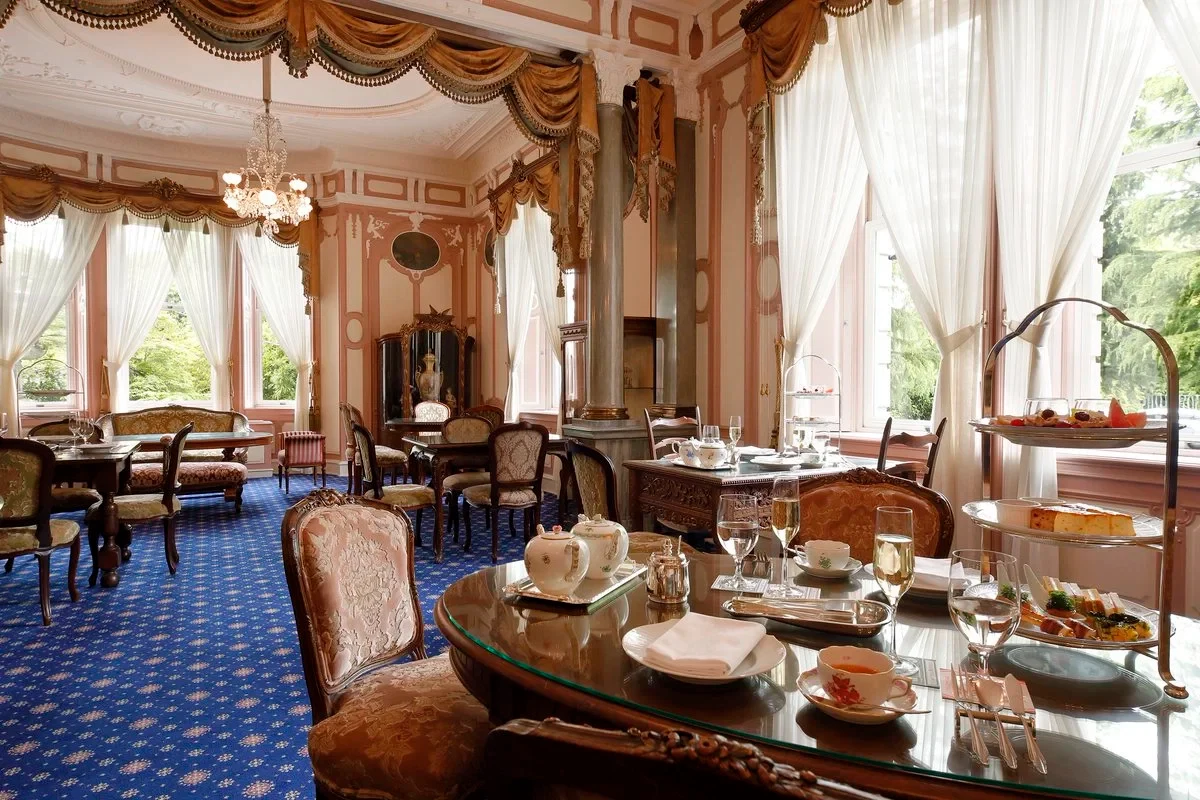
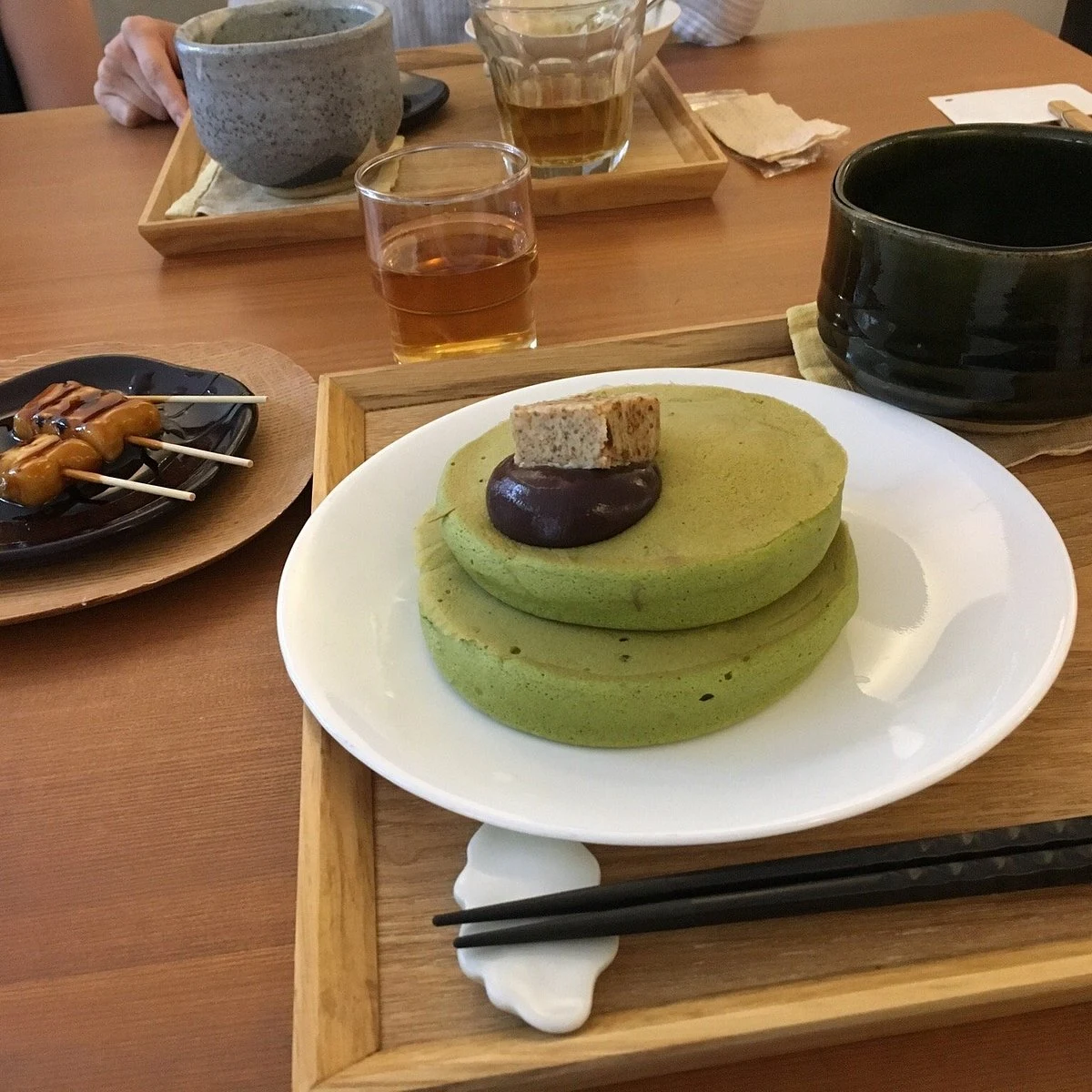
Kyoto’s cafe culture has a different centre of gravity from Tokyo’s third-wave coffee scene. Tea, wagashi, fruit, bean pastes, rice flour, soy, matcha and seasonal garnishes are not decorative references; they are the grammar of the category. Cafe Hassui sits inside that tradition, using the calmer language of a hotel cafe rather than the ceremonial structure of a tea room or the formality of kaiseki.

The sourcing angle is the useful lens here. Kyoto dining often signals seriousness through ingredients with local or regional associations: Uji tea, Kyoto vegetables, yuba, tofu, miso, seasonal fruit and confections built around calendar cues. Without turning the venue into a produce inventory, the format points toward that same logic. A cafe in this part of the city succeeds when it respects the difference between sweetness as sugar and sweetness as season, between a snack and a pause with structure.

This is also why Arashiyama rewards choosing by format rather than by hype. A kaiseki reservation at Kitcho Arashiyama - 京都 吉兆 嵐山本店 belongs to the formal end of the local spectrum, while Shigetsu represents the temple-linked shojin tradition. Cafe Hassui occupies a softer middle: polished, daytime, ingredient-aware, and useful when the day does not call for a full ceremonial meal. That middle tier is easy to underrate, especially in a city where attention often goes to starred counters and historic dining rooms.

The better comparison is Kyoto's broader snack-and-pause culture, not dinner

Kyoto has always made room for small formats with serious intent. Aburi mochi, steamed buns, curry counters, sake bars and tea cafes all answer different needs in the day. Readers mapping a wider Kyoto itinerary can see the contrast clearly: Aburi Mochi Honke Nemoto Kazariya speaks to shrine-side confection tradition, 551蓬莱 sits in the practical comfort-food lane, and 3TOKU6MI Shijo karasuma ten moves the meal back toward central Kyoto’s urban restaurant grid.

The city’s range is broad enough that cafe choice should follow the shape of the day. [ki:] and Abbesses point to other contemporary dining moods, while Our full Kyoto restaurants guide is the better tool for building a full meal sequence. For travellers treating Arashiyama as one part of a wider stay, Our full Kyoto hotels guide, Our full Kyoto bars guide, Our full Kyoto wineries guide and Our full Kyoto experiences guide help separate the daytime excursion from the evening plan.

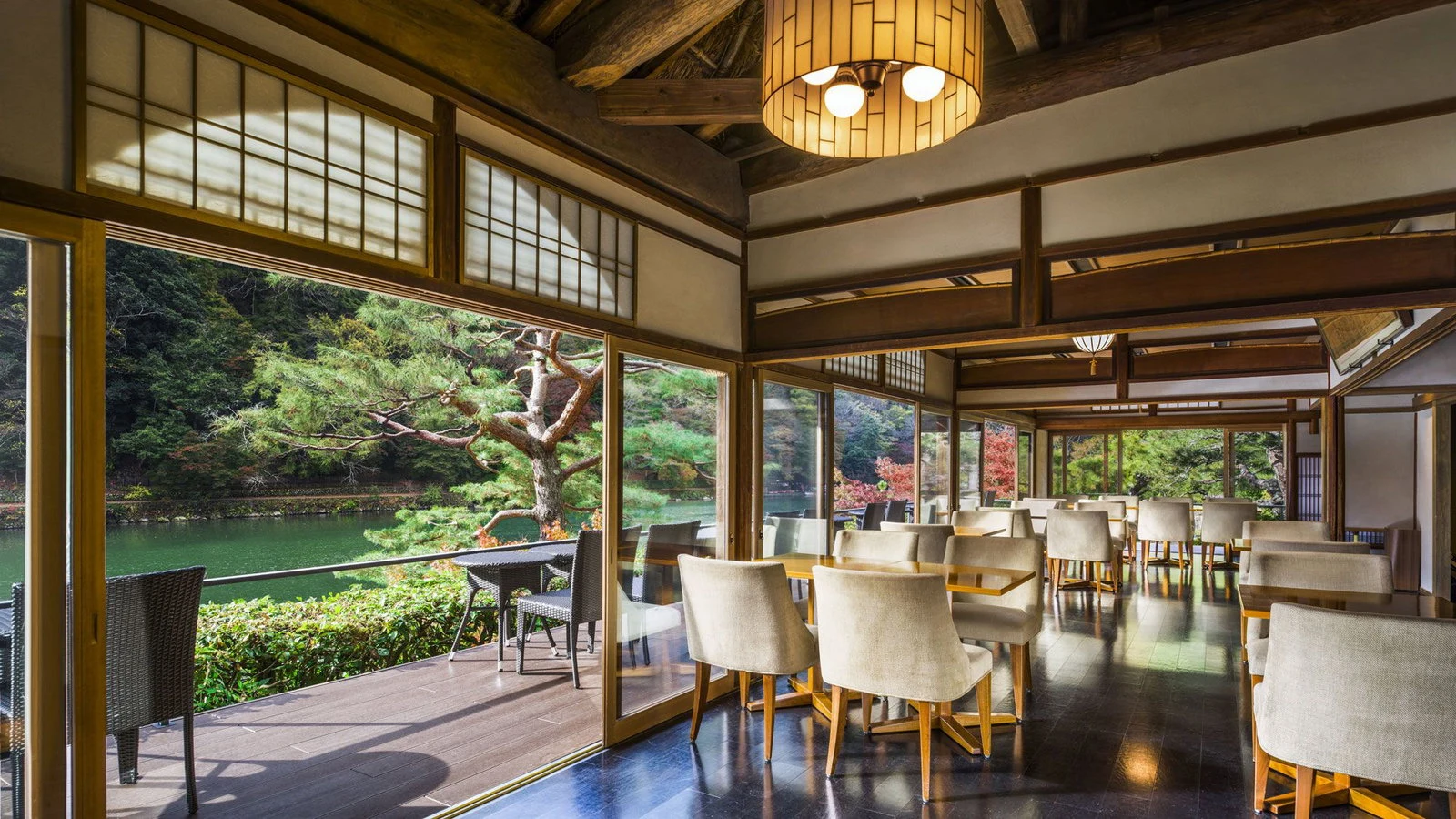
That separation is useful because Arashiyama can distort expectations. The neighbourhood’s beauty often pushes venues into postcard mode, but the more convincing daytime stops are the ones that understand restraint. A hotel cafe in this setting does not need to mimic a kappo counter. It needs to offer reliable service, composure after crowded temple routes, and a menu that takes Kyoto’s ingredient vocabulary seriously without stretching it into theatre.

Who should choose this over a formal Arashiyama meal

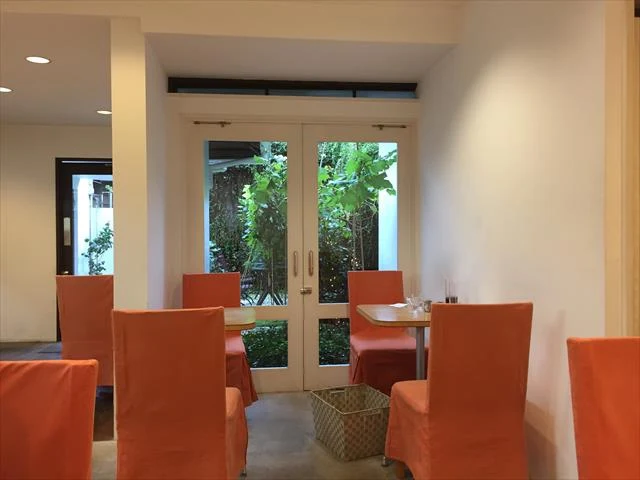
Cafe Hassui makes the clearest sense for travellers who want an ingredient-led Kyoto pause rather than a destination dinner. It suits a late-morning or afternoon Arashiyama route, especially when the day already includes temple visits, riverside walking or a more structured evening meal elsewhere. The critical distinction is expectation: come for a refined cafe format, not for chef biography, awards hardware or a long-form tasting progression.

Compared with the formal Japanese dining associated with Arashiyama, this is the lower-commitment choice. Compared with casual snack counters in central Kyoto, it brings a more composed hotel setting and a stronger sense of place. That makes it useful for visitors who care about Kyoto ingredients and pacing but do not want every meal to become an appointment.

Kyoto’s wider dining map can pull travellers far beyond the city, and those comparisons clarify the point. A beef sukiyaki specialist such as -Grilled beef Sukiyaki- KAMAKURA TANUKIAN 鎌倉 たぬき庵 in Kamakura, a Tokyo charcoal-and-tuna address like. 鮪と炭火焼き うお炭 秋葉原店 in Tokyo, or an Osaka cafe such as.cafe in Osaka each answers a different urban appetite..know in Kumamoto, (Shoku) Vietnam in Kawasaki, [Curry Senmon Ten] Maruyama Kyoju. in Sapporo, Jōdo Saké Bar in Los Angeles and Onigiri Time in Pasadena underline the same editorial rule: format first, then venue. Cafe Hassui is at its strongest when read through Kyoto’s disciplined culture of seasonal pause, not as a substitute for the city’s more formal dining rituals.

Tags

ScenicElegantQuietClassicHidden GemBrunchCasual HangoutSpecial OccasionSoloDate NightTerracePanoramic ViewHistoric BuildingHotel Restaurant