Why go
House-roasted coffee is the whole proposition at this Osaka counter, where CAFE BAHNHOF works as a café and a bean shop at once. The Sanbangai branch keeps the roastery's habits inside a busy retail setting rather than diluting them for the passing trade.
House roasting, hand sorting and coffee masters
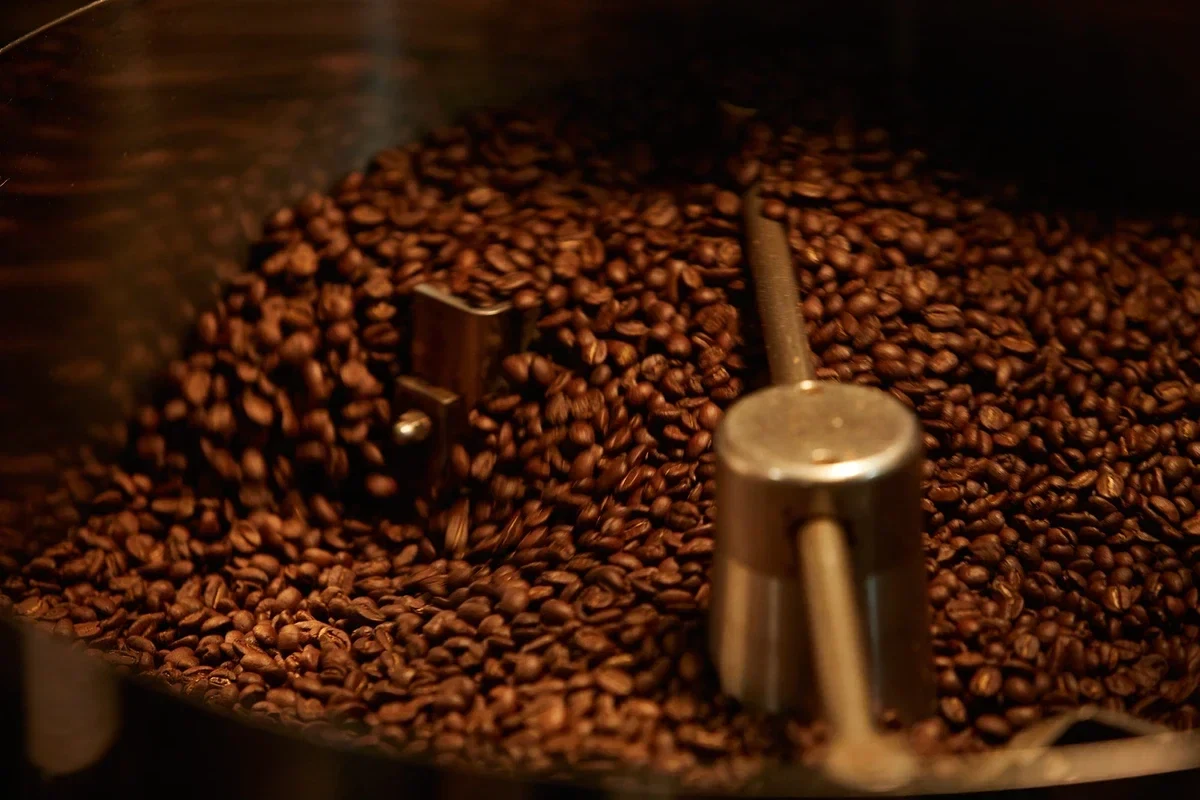
The 自家焙煎 in the name is the programme. Bahnhof started in Osaka's Fukushima ward in 2003 and built its cafés around specialty coffee, bean retail, equipment, gifts and classes, and at the counter that background shows in the staff, who are SCAJ-certified coffee masters trained across bean knowledge, tasting, roasting and extraction. The house works through fair-trade relationships with farms and roasts each coffee to its own character, from dark through to light, rather than forcing everything into one profile. There is also an old-fashioned quality step that regulars taste without being told about it, the repeated hand-picking of defective beans before brewing. The shop was placed sixty-ninth in the Tabelog 100 for 2022.
A mall counter with a slower rhythm
The Sanbangai shop sits in one of Osaka's busiest retail flows, so the calm of the counter is the useful thing about it. Service is careful and one cup at a time, and the exchange is part of the appeal: the grind, the pull, and the question about which bean is drinking well today. There is counter seating, and the honest expectation is a coffee stop rather than a long session. Come with a few minutes to spare, particularly if you are buying beans to take home. The coffee-master training is not decoration; a casual order can stay casual, but anyone who wants detail about roast level or extraction has someone in front of them who can give it.
Order the house-roasted coffee first
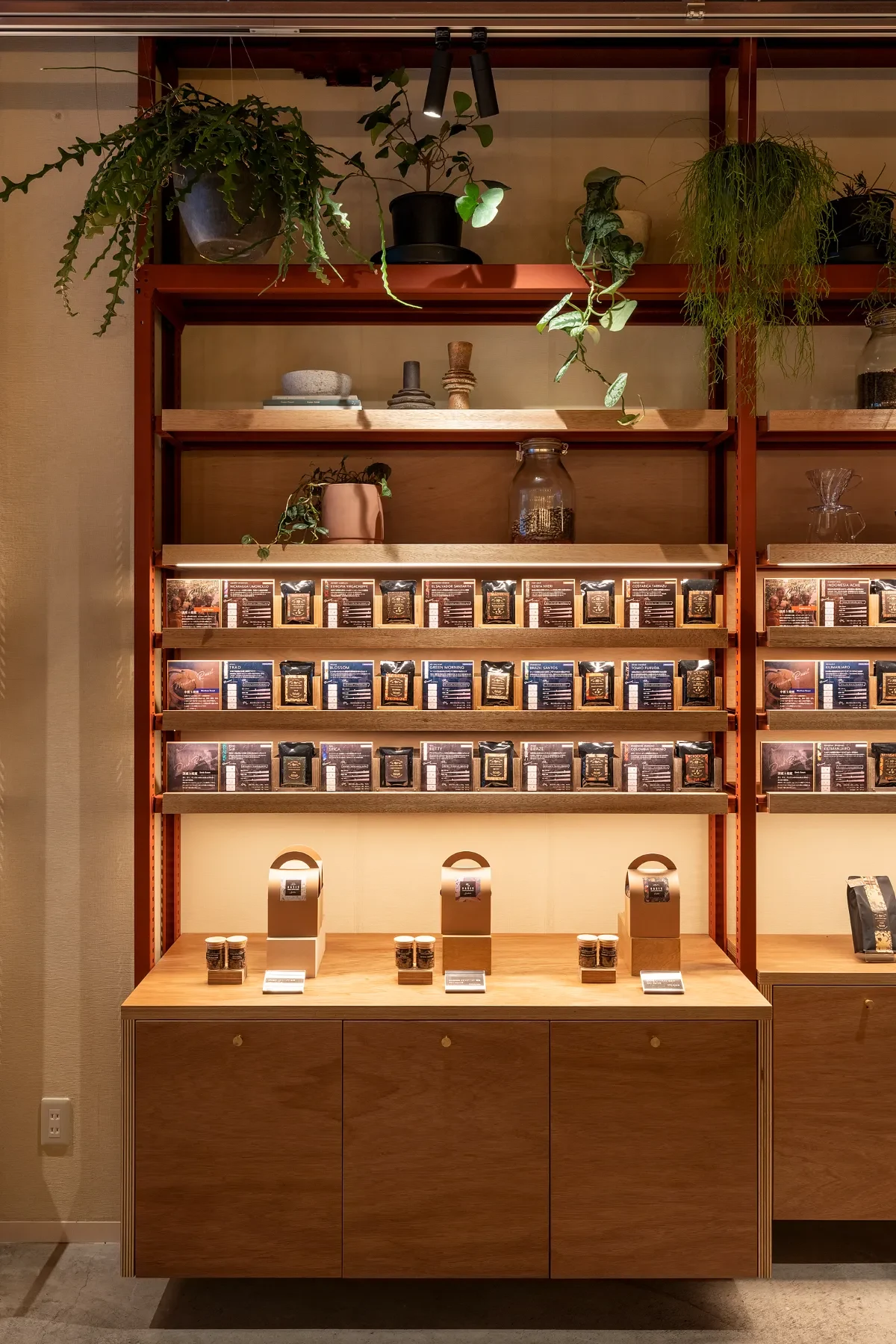
Start with the house-roasted coffee, because it collects everything else: the sourcing, the hand sorting, the range of roast and the one-cup service. If there is a choice, ask which bean the bar would drink today rather than reaching for a familiar origin. The sweets case is the second half of the stop, made in a German pastry register and built to sit beside coffee rather than bury it. That is the pairing for a first visit, a house-roasted cup and one thing from the case. Look at the retail beans before leaving, since this is a company that treats the shelf as part of the same programme.
Tags
Frequently asked questions
What should I order at CAFE BAHNHOF Sanbangai ten?
The house-roasted coffee, since it carries everything the shop is about: fair-trade sourcing, hand-sorted beans, a roast range from dark to light and one-cup service. If there is a choice, ask which bean the bar would drink that day. Then take one of the daily sweets from the case beside it.
Can you buy beans to take home?
Yes. The branch works as a bean shop as well as a café, and the company sells equipment, gifts and classes alongside the coffee. The staff are certified coffee masters trained in tasting, roasting and extraction, so it is worth saying how you brew at home before choosing a roast.
Compare nearby places
| Venue | Type | Area |
|---|---|---|
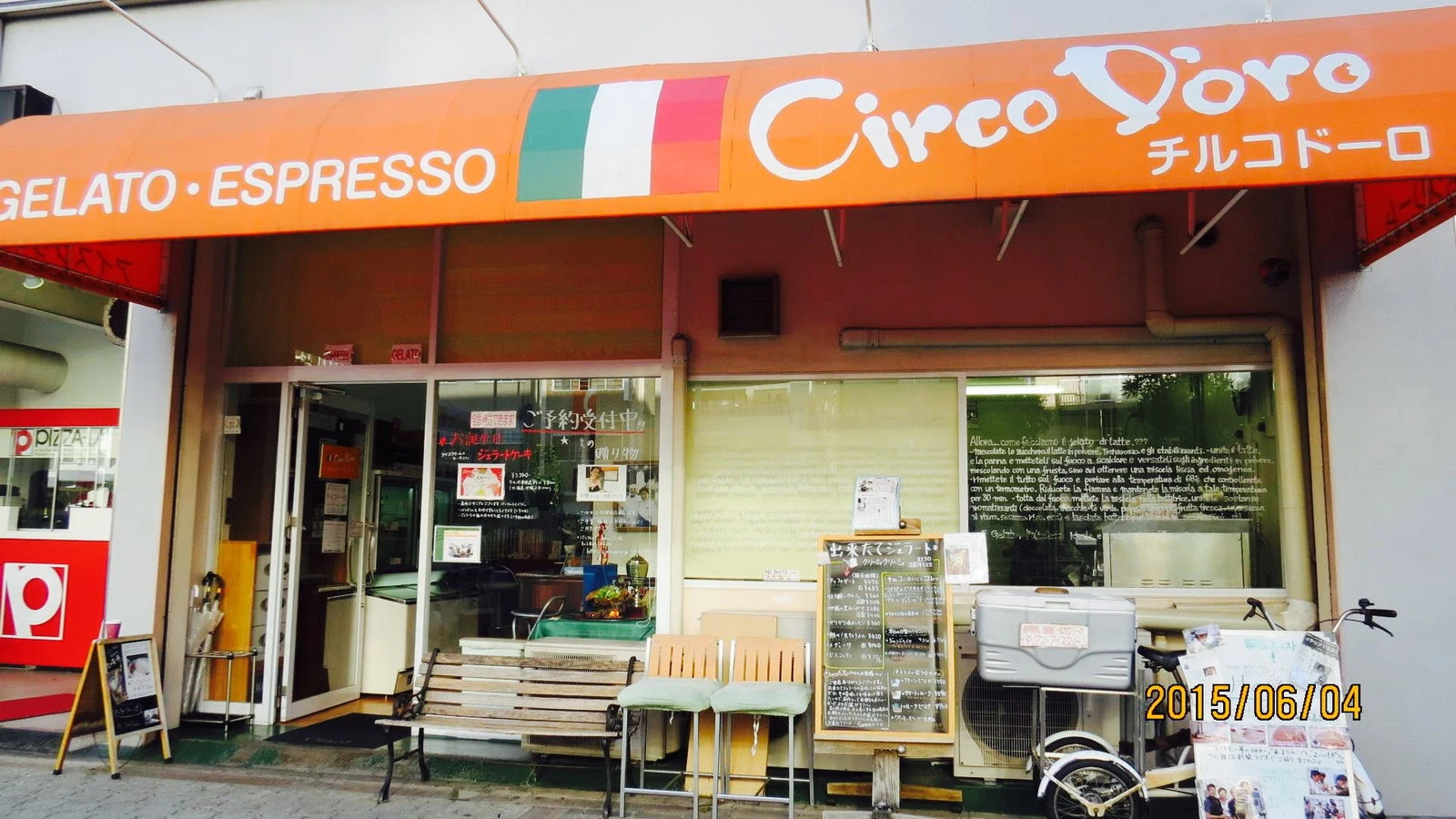
| Gelateria Circo D'oro | Café | Tanimachi 6-chome / Chuo Ward |
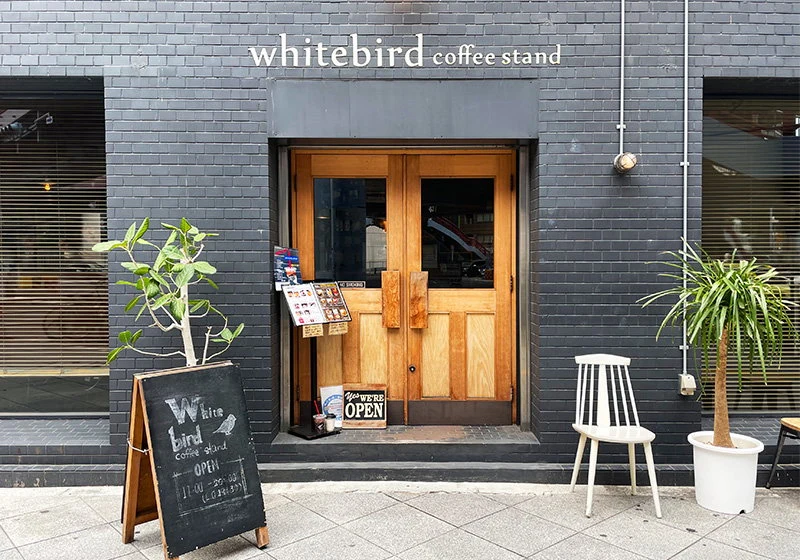
| Whitebird coffee stand | Café | Kita |
| SANWA COFFEE WORKS Tenma honten | Café | Tenma |
| MOTO COFFEE | Café | Kitahama |
| Cafe Toki ona | Café | Tenjinbashi |