Why go
Bagels, thick toast and a morning pace
Breakfast is the anchor here. Cafe Toki ona works a short, familiar list built around bagels and thick-cut toast, the kind cut so generously that it becomes the meal rather than the side, and pasta carries the middle of the day when the morning crowd has moved on. It is neighbourhood cooking rather than a chef's menu, which is the point of the format: the plates come quickly and the same few things are done the same way every day. Nothing about it is designed to be photographed, and the room is better for it. Seasonal additions appear through the year alongside the regulars, so the short list moves a little without ever being rebuilt.
A kissaten room in Kita Ward
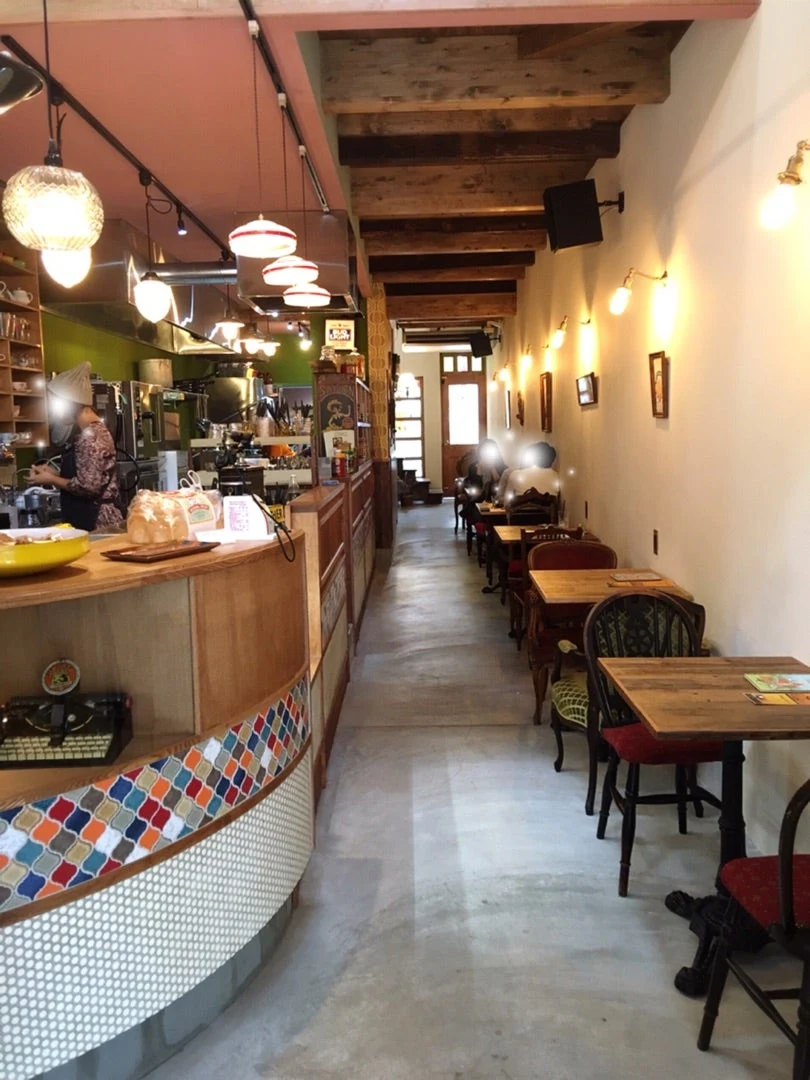
The mood is nostalgic in the way a proper kissaten is, low-key and unhurried, with a classic feel that suits a slow breakfast or a solo hour with a coffee more than a large group. It sits in the Tenjinbashi part of Kita Ward, the long shopping-street district north of central Osaka, so the trade is local and repeat rather than touristic. That gives it a particular usefulness: an early plate before a day out, a quiet table between errands, or a relaxed pause where nobody is waiting for the seat. Solo visitors and pairs fit the room best, and the pace stays the same whether the shopping street outside is busy or empty.
Part of a wider Osaka group
The café belongs to Baton Group, an Osaka hospitality company that also runs Cobatopan, Cobato836, NY chicken grill and Second banana, so bakery and café formats sit close together within the same house. The group's line is about passing a baton between people and brands, and Toki ona reads as the quiet café member of that family rather than a one-room passion project. In practice that means steady standards and regular seasonal additions rather than a fixed menu frozen in place. Come for the bagels and the thick-cut toast in the morning, stay for pasta if the day runs longer than planned, and take the room as it is: a plain, well-kept Osaka café that does a few things properly and does not pretend to do more. That is a rarer proposition in this part of the city than it sounds, and it is why the same faces keep turning up at the same tables.
Tags
Frequently asked questions
What should I order at Cafe Toki ona?
Bagels or the thick-cut toast in the morning, which is what the café is known for and what the room is built around. Pasta takes over later in the day for anyone wanting something more substantial. It is a short, familiar list done consistently rather than a long menu to work through.
What kind of café is Cafe Toki ona?
A kissaten-style neighbourhood café in the Tenjinbashi part of Kita Ward, Osaka, nostalgic and low-key rather than modern and busy. It suits a slow breakfast, a solo hour or a quiet pair better than a large group, and it belongs to Baton Group, the Osaka company behind Cobatopan and Cobato836.
Compare nearby places
| Venue | Type | Area |
|---|---|---|
| MOTO COFFEE | Café | Kitahama |
| wad omotenashi cafe | Café | Shinsaibashi / Minamisenba |
| Nova Coffee to Yakigashi | Café | / |
| cocoo cafe | Café | Hommachi / Utsubo Park area |
| Bird COFFEE | Café | / Tsurumi-ku |