Why go
House-roasted beans, sold and poured
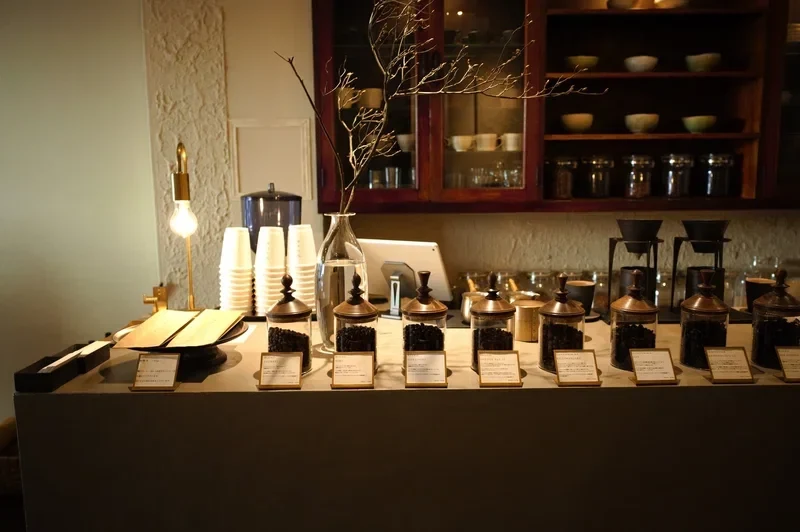
The phrase that matters at MOTO COFFEE is 自家焙煎珈琲豆, house-roasted coffee beans. It is not a detail on the wall but the whole business: beans roasted for the shop, served across the counter, and sold in bags to take home. That double role, cafe and bean retailer, shapes how a visit works. You drink a cup made from the same roast you can carry out, and the staff expect the two decisions to be connected. There is no attempt at a broad all-day cafe with a long menu; the focus stays on the bean, the roast and the cup, with a short dessert selection alongside for anyone who wants something with the coffee. The shop was named to the Tabelog 100 at number 85 in 2025.
Kitahama, in the Lion Building
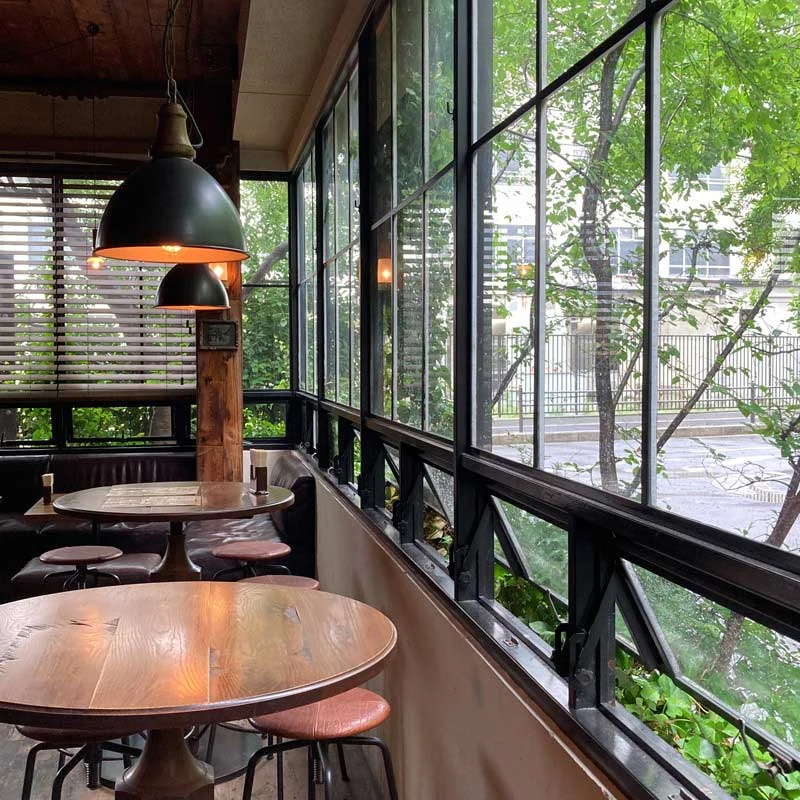
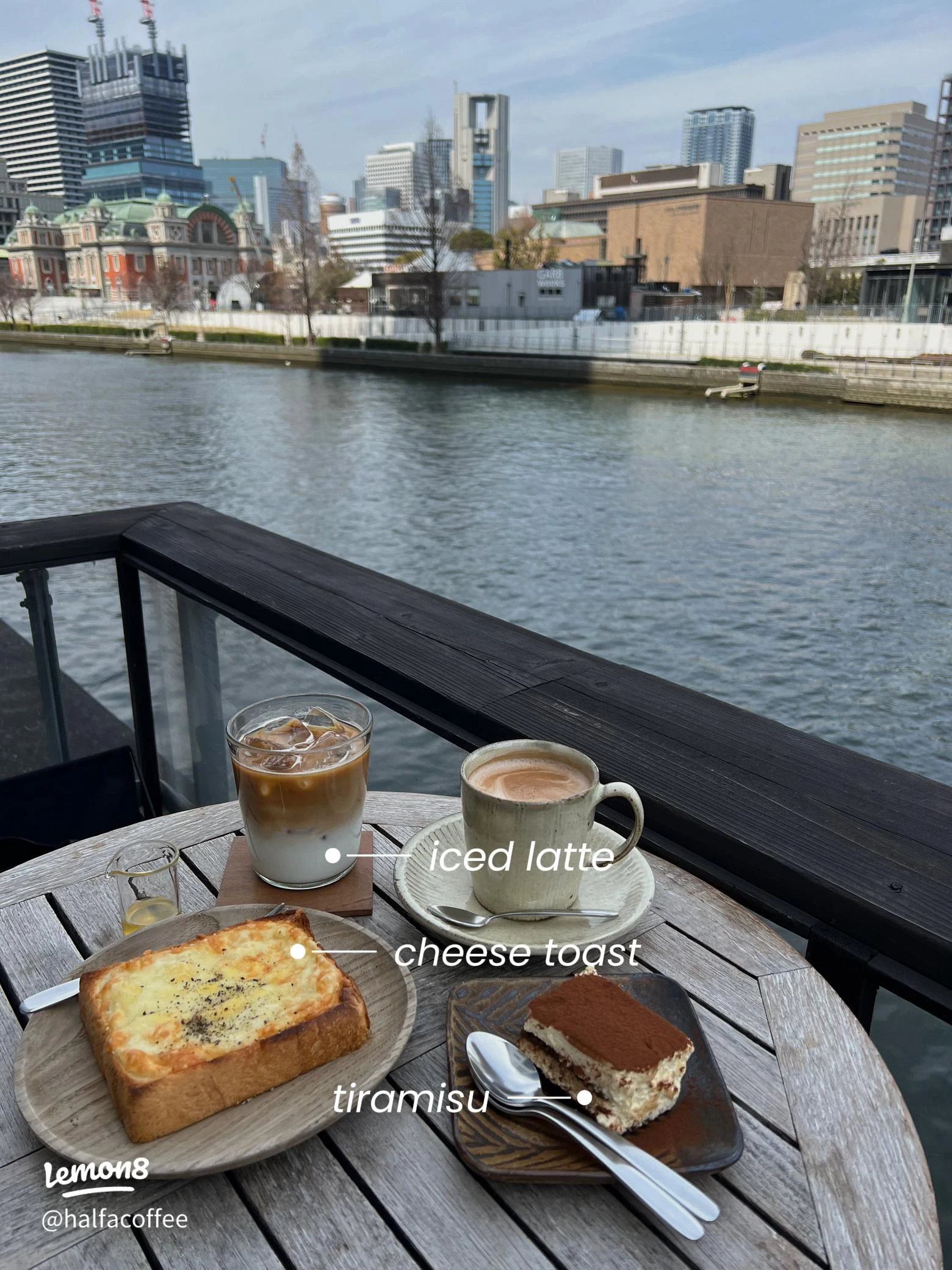
The Kitahama branch sits inside the Kitahama Lion Building, at the foot of Naniwa Bridge and within sight of the Osaka Securities Exchange, which puts it in the city's old commercial and financial district rather than a shopping quarter. The crowd follows from that: office workers, market people and visitors moving between Kitahama and Yodoyabashi stations, plus anyone crossing the bridge. It suits a pause in a working day, a quiet meeting or a reset between appointments. MOTO belongs to the wider SHELF group and has sister branches at Uchibonmachi and on Honmachi-dori, so the Kitahama shop is one part of a small Osaka network rather than a one-off, though it is the one tied most closely to the river and the bridge.
Drink the roast, then take it home
Order simply. A cup made from the shop's own roasted beans is the point, and the most useful thing you can do is pay attention to how the roast is pitched, since that is the house signature and the thing the retail shelf is selling. Ask what has been roasted recently. If the coffee lands, buy the beans on the way out; the retail side is not an afterthought here but the second half of the same idea, which is freshness and consistency from roasting through brewing to whatever you do with it at home. A dessert alongside turns a short stop into a longer sit. For a first visit, keep it to that: one coffee, an unhurried look at what is on the shelf, and a bag to take with you.
Tags
Frequently asked questions
What should you order at MOTO COFFEE?
A cup made from the shop's own roasted beans, which is the whole reason the counter exists. Ask what has been roasted recently rather than looking for a long drinks list, and add a dessert if you want to sit longer. Beans are sold by the bag if the cup convinces you.
Does MOTO COFFEE roast its own coffee?
Yes. House-roasted beans are the core of the business, sold in bags as well as brewed at the counter, so the same roast you drink in Kitahama can be brewed at home. The shop belongs to a small Osaka group with sister branches at Uchibonmachi and on Honmachi-dori.
Compare nearby places
| Venue | Type | Area |
|---|---|---|
| Manpuku Bakery | Bakery | Kitahama |
| Nova Coffee to Yakigashi | Café | / |
| wad omotenashi cafe | Café | Shinsaibashi / Minamisenba |
| Bird COFFEE | Café | / Tsurumi-ku |
| Cafe Toki ona | Café | Tenjinbashi |