Why go
The approach to a second-floor cafe in Minamisenba shifts the rhythm of Osaka dining. Street-level noise around Shinsaibashi gives way to a smaller room where counter seating matters, solo diners are normal, and dessert gets the attention usually reserved for sushi rice or tempura batter. In a city often reduced to takoyaki queues and late-night appetite, this is quieter Osaka: tea, shaved ice, and disciplined repetition.
wad omotenashi cafe belongs to the Japanese cafe category where regulars understand the unwritten order. The draw is not volume or spectacle, but how Osaka cafe culture has absorbed specialist formats, especially kakigori, and made them reason enough to plan an afternoon, not just fill time between meals. Its selection for Tabelog Cafe WEST “Tabelog 100” 2025 places it in a competitive western Japan cafe set, not merely as a neighbourhood coffee stop.
Minamisenba's quieter cafe circuit rewards patience
Osaka’s dining identity is often framed through immediacy: stand counters, griddles, dumplings, and the democratic pleasure of eating fast. Minamisenba complicates that. Close enough to Shinsaibashi for shopping traffic, its better cafe addresses work at a lower frequency. Small rooms, later midday starts, and no-reservation formats create demand built less on turnover than on regulars who know when to arrive and what wait they will accept.
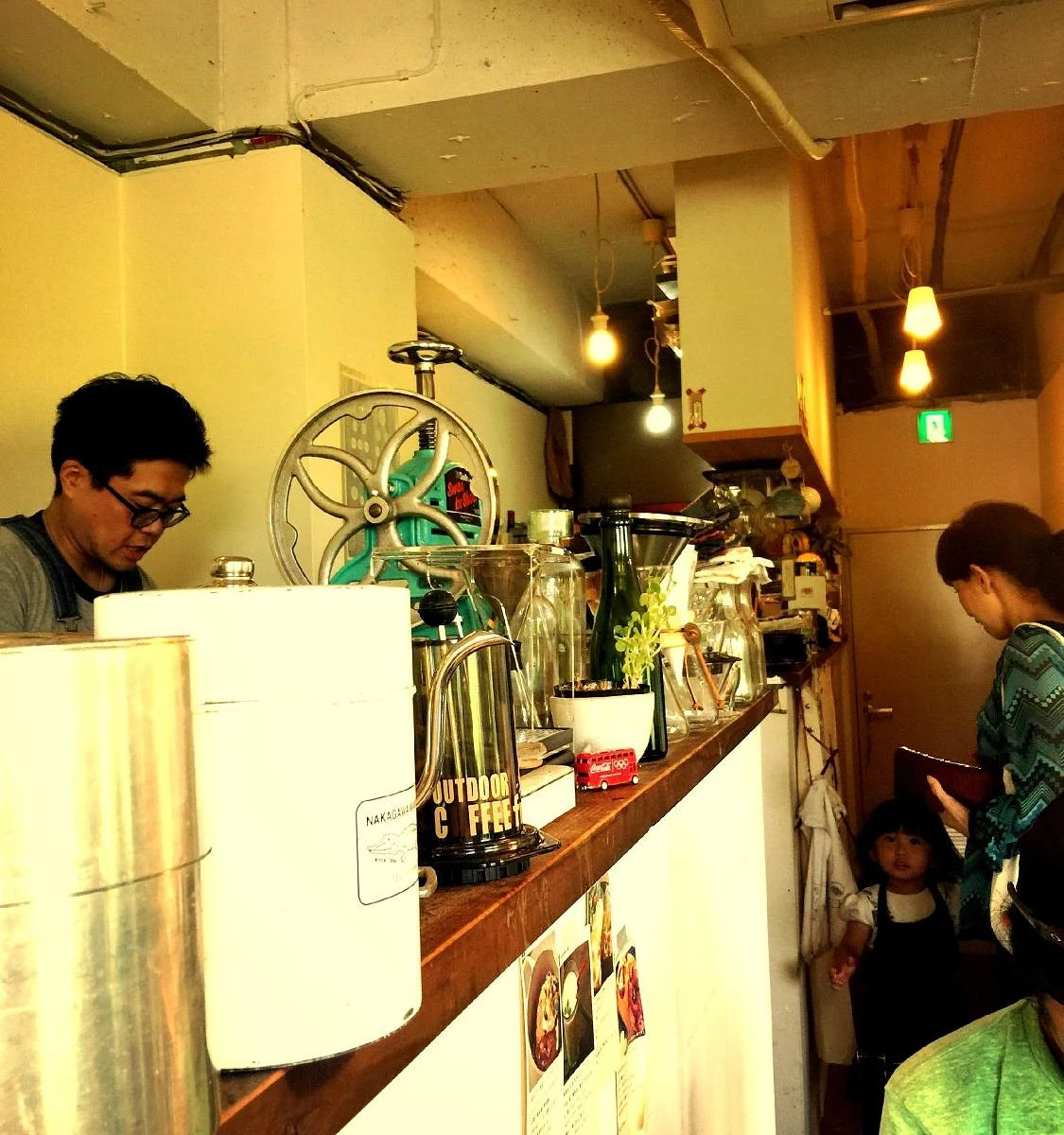
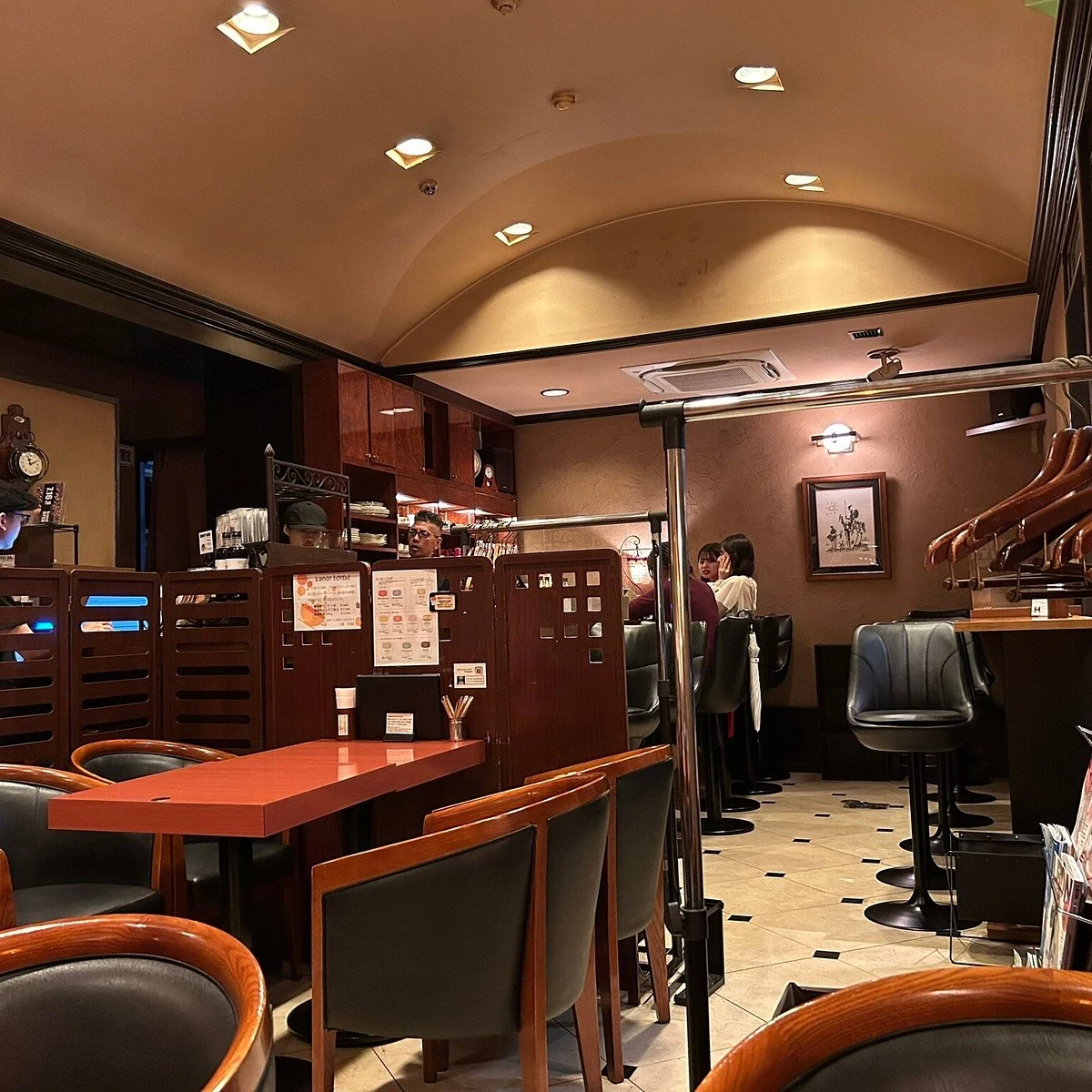
That is why the 20-seat scale matters. At this size, a cafe becomes a social instrument. Counter seating lets solo customers treat a bowl of shaved ice or a tea set as a full stop in the day, not an apology for eating alone. Private rooms and private use are absent, keeping the experience closer to everyday Japanese cafe tradition than to the controlled luxury of a tasting counter.
The category mix also says something useful about Osaka in 2026. Cafe and kakigori now overlap with dessert shops, tea specialists, and seasonal ingredient culture, but the strongest versions resist becoming pastry boutiques. wad omotenashi cafe draws attention because it keeps the cafe frame intact while giving kakigori enough room to carry the visit. Repeat customers matter because they are not chasing one named dish, but returning to a format where small changes and familiar pacing hold the value.
Kakigori has moved from summer relief to year-round craft
Kakigori’s old role was simple: ice as relief from Japanese heat. The contemporary cafe version is more demanding. Texture, melt rate, syrup balance, dairy, fruit, tea, and temperature decide whether a bowl feels composed or merely large. Osaka’s stronger kakigori cafes now compete less with generic dessert counters than with patisserie and tea salons, using shaved ice as a structure for seasonality without turning it into plated dessert.
wad omotenashi cafe’s recognition in the 2025 Tabelog Cafe WEST list identifies it within a regional field rather than a city-only popularity contest. The listed categories, cafe and kakigori, are broad, but together signal a specific customer decision: an afternoon slot can carry the same intent as a lunch reservation elsewhere. The spend range also keeps it apart from Osaka’s formal dining rooms. Compared with higher-priced city formats such as Yakitori Saihi, or cocktail-led evenings at BAR RARITY, this is a lower-cost, lower-ceremony way to read Osaka hospitality.
Regulars define cafes like this by rhythm. They know the room is compact, cards and electronic payments are not part of the setup, and a no-smoking policy plus counter-friendly seating make it workable for one person with a free afternoon. None is dramatic alone; together, they shape a place that becomes part of a local circuit rather than a single-purpose destination.
For visitors building a broader Osaka food day, the contrast helps. The city can move from department-store takeaway to serious counter dining with little ceremony. A cafe stop here pairs naturally with other low-to-mid commitment addresses, from 551 Horai (551蓬莱) for Osaka’s famous pork buns to bakery-led mornings at 52CHO-ME BAKERY or the compact cafe reference point of .cafe. For a different appetite, 99 Pizza Napoletana Gourmet and a canto (Italian) show how international formats sit beside local cafe habits without erasing them.
How to place it in an Osaka itinerary
The smartest use of wad omotenashi cafe is not as a rushed dessert add-on after lunch. Treat it as the anchor of a Shinsaibashi or Minamisenba afternoon, especially if heavier eating comes later. Reservations are unavailable, so the decision is less about securing a table than giving the visit enough slack. That is how regulars approach small Japanese cafes: they manage time, not expectations.
The address near Shinsaibashi also folds easily into a wider city plan. Readers mapping Osaka by category can use Our full Osaka restaurants guide for dining, Our full Osaka bars guide for the evening, Our full Osaka hotels guide for where to stay, Our full Osaka experiences guide for cultural planning, and Our full Osaka wineries guide for wine-led detours. The better itinerary is not packed; it leaves space for a small room to operate at its own pace.
Viewed against Japan’s broader casual dining map, this cafe belongs to a national pattern of specialist, modestly scaled places that reward attention over expense. That pattern stretches beyond Osaka, from [ki:] in Kyoto and.know in Kumamoto to [Curry Senmon Ten] Maruyama Kyoju. in Sapporo, (Shoku) Vietnam in Kawasaki, -Grilled beef Sukiyaki- KAMAKURA TANUKIAN 鎌倉 たぬき庵 in Kamakura, and. 鮪と炭火焼き うお炭 秋葉原店 in Tokyo. Even outside Japan, the same reader may recognise the appeal in tightly focused Japanese formats such as Jōdo Saké Bar in Los Angeles or Onigiri Time in Pasadena: narrow scope, repeatable pleasure, and a clientele that knows why details matter.
The editorial case is simple. Osaka’s cafe scene is not secondary to its restaurants; it is another register of the same city, where hospitality is measured in pacing, restraint, and the confidence to let a small format carry serious demand. wad omotenashi cafe is worth seeking out because it shows how a 20-seat cafe can hold its place in a city better known for appetite at full volume.