Why go
The case is the whole conversation
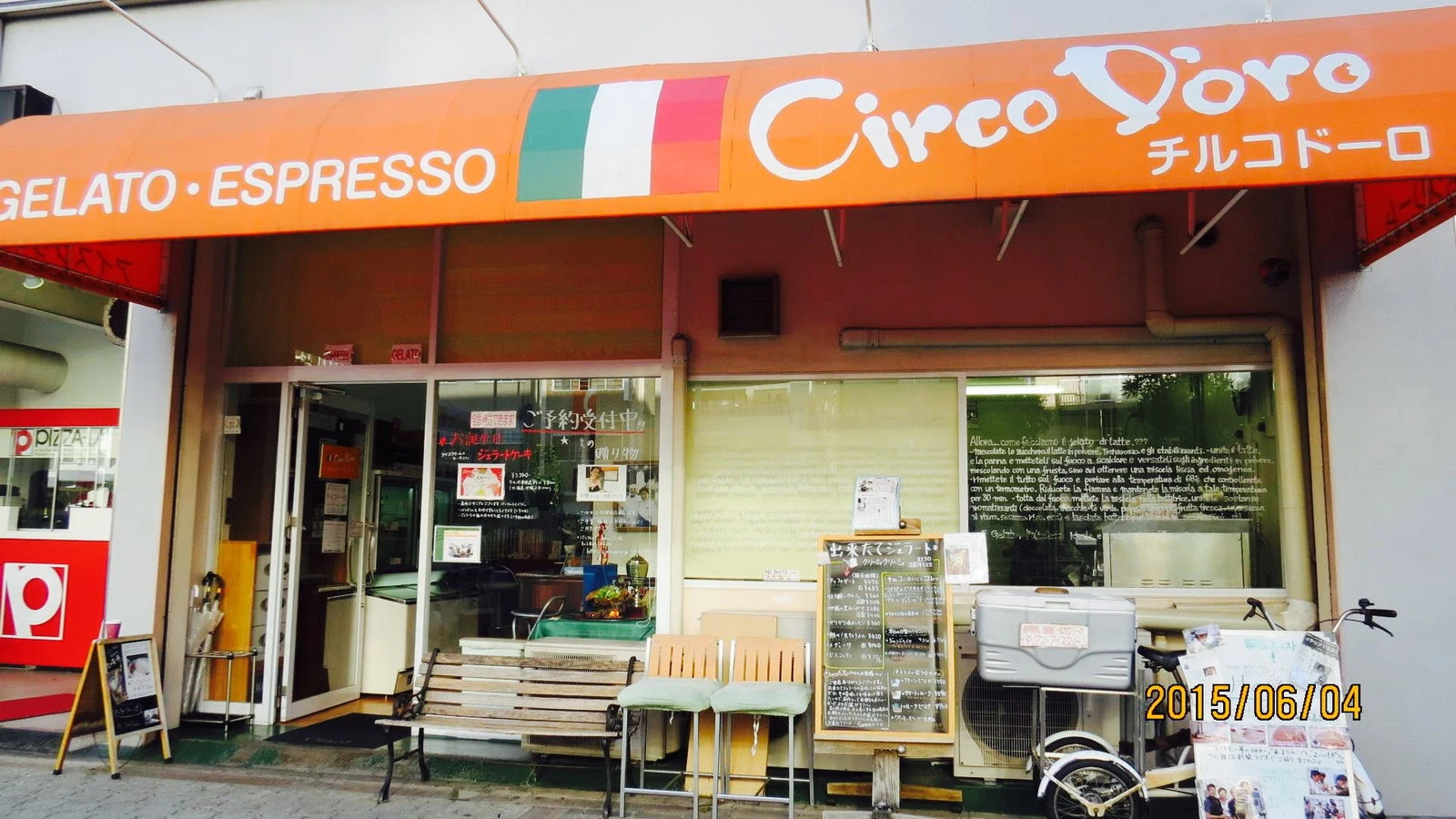
A short row of gelato in a small Osaka shop, made in the Italian style, and the only real decision is which two flavours go in the cup. Circo D'oro keeps the range tight rather than filling a long counter, which is usually the sign of a shop making its own rather than buying it in.
Pistachio is the flavour to test first, because it exposes technique faster than anything else on the counter. Italian-style gelato is churned slower and served warmer and softer than ice cream, so it carries flavour more directly and forgives less. A thin pistachio has nowhere to hide.
Fruit on one side, milk and nut on the other
The line-up splits cleanly. Strawberry and mango cover the fruit end and taste of the season they were made in. Creamy milk is the plain measure of the base, matcha is the local turn, and mint chocolate chip is there for anyone who wants a familiar finish.
A good first order is one fruit and one dairy flavour, which puts both halves of the case in a single cup and makes the comparison easy. After that the choice is mood rather than strategy. The flavours move with what is available, so the case on the day is the menu, and the shorter it looks the more recently it was filled. Ask what was made that morning if you want the sharpest version of the fruit.
A neighbourhood shop, not a dessert destination
There are only a couple of tables at the front, so this is a stop rather than a sit-down. The interior is simple and classic, the mood is relaxed and family-friendly, and the visit lasts about as long as the gelato does.
It suits a walk around Tanimachi more than a planned dessert course, and that scale is a large part of the appeal: a small shop doing one thing, with the display case doing the talking and no attempt to be anything more. Osaka is full of dessert counters competing on spectacle, and this is the opposite proposition, which is exactly why it is worth the detour. Order at the case, take the cup, and eat it before the summer does the job for you. Two flavours is the right size of visit.
Tags
Frequently asked questions
What flavour should you order at Gelateria Circo D'oro?
Pistachio first, because a nut flavour shows the shop's technique more clearly than anything else in the case. After that, pair one fruit flavour such as strawberry or mango with a dairy-led one like creamy milk. Matcha is the local turn, and mint chocolate chip covers the familiar finish.
Is there anywhere to sit?
Only a couple of tables at the front, so the shop works better as a stop than as a place to settle. The interior is small, simple and family-friendly, built around the display case rather than around seating. Most people order, take the cup and eat it on the move through Tanimachi.
Compare nearby places
| Venue | Type | Area |
|---|---|---|
| wad omotenashi cafe | Café | Shinsaibashi / Minamisenba |
| MOTO COFFEE | Café | Kitahama |
| CAFE BAHNHOF Sanbangai ten | Café | Hankyu Sanbangai / Umeda |
| SANWA COFFEE WORKS Tenma honten | Café | Tenma |
| Bird COFFEE | Café | / Tsurumi-ku |