Tenma

SANWA COFFEE WORKS Tenma honten

CafeRoasteryAbout $7 a head
SANWA COFFEE WORKS Tenma honten

Why go

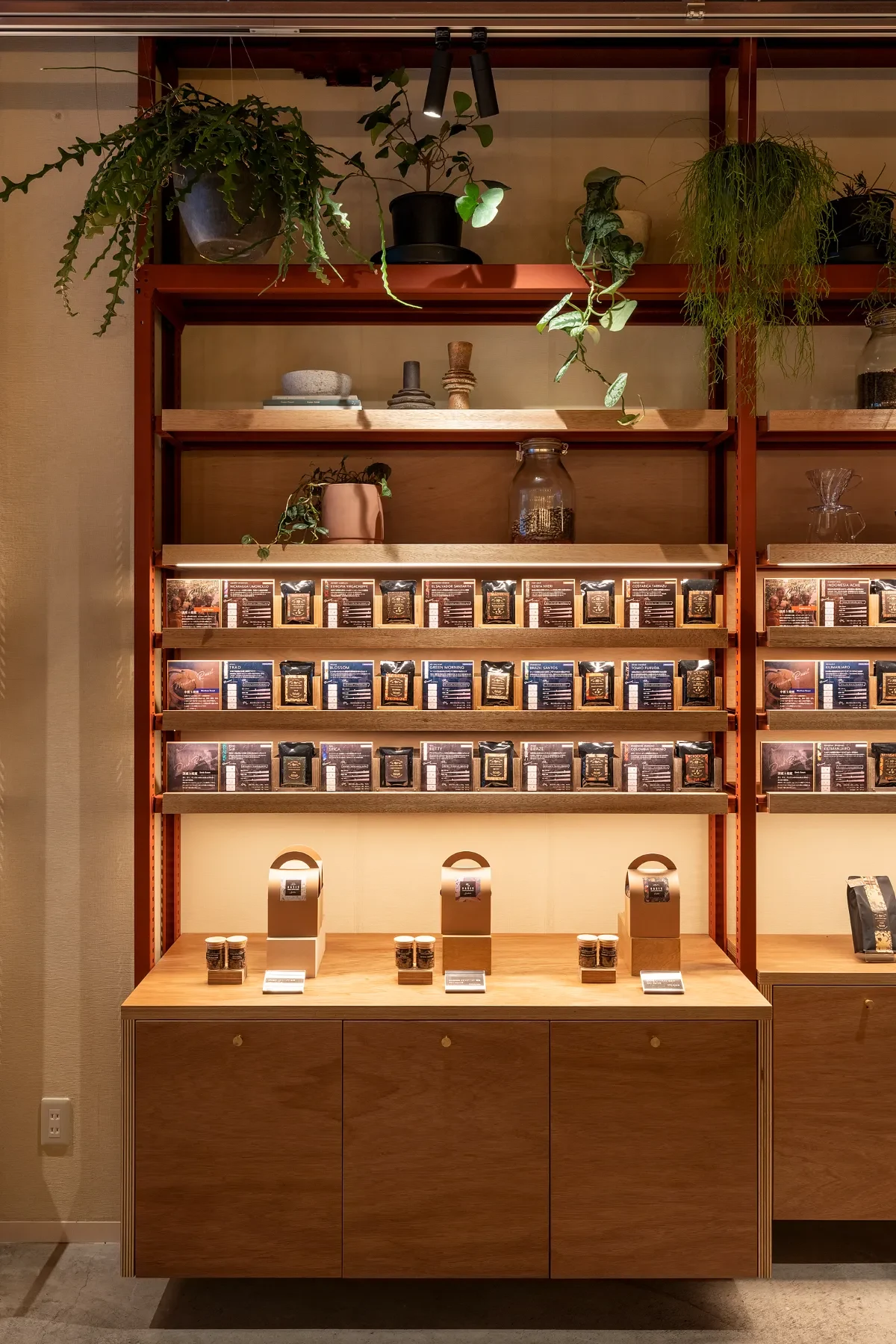
Tenma’s café culture moves at a different tempo from Osaka’s counter restaurants. Its appeal is not kaiseki-style ceremony, but a room for a birthday pause, family catch-up, or quiet post-market coffee without turning the moment into a production. At SANWA COFFEE WORKS Tenma honten, the signal is physical before culinary: a two-storey café with an upstairs roasting room, 48 seats, and coffee-making machinery treated as atmosphere, not hidden back-of-house.

That matters in Osaka, where everyday food culture often outperforms its price category, from pork buns and standing counters to cafés as neighbourhood anchors. A serious coffee stop must justify itself against that abundance. SANWA COFFEE WORKS Tenma honten does so through format: café, cake, and coffee stand under one roof, with a roastery identity linking the cup to the room rather than making coffee a generic add-on.

Tenma's occasion café, not a white-tablecloth celebration

Occasion dining in Osaka does not always mean tasting menus. In Ura-Tenma and around Tenjinbashi-suji, a milestone can be smaller and better calibrated: an afternoon table after shopping, a child-friendly gathering without hotel-lobby formality, or a coffee-led pause before dinner elsewhere. The family-friendly setup, 36 table seats, 12 booth seats, and non-smoking room place it closer to a social café than a specialist counter built for silence.

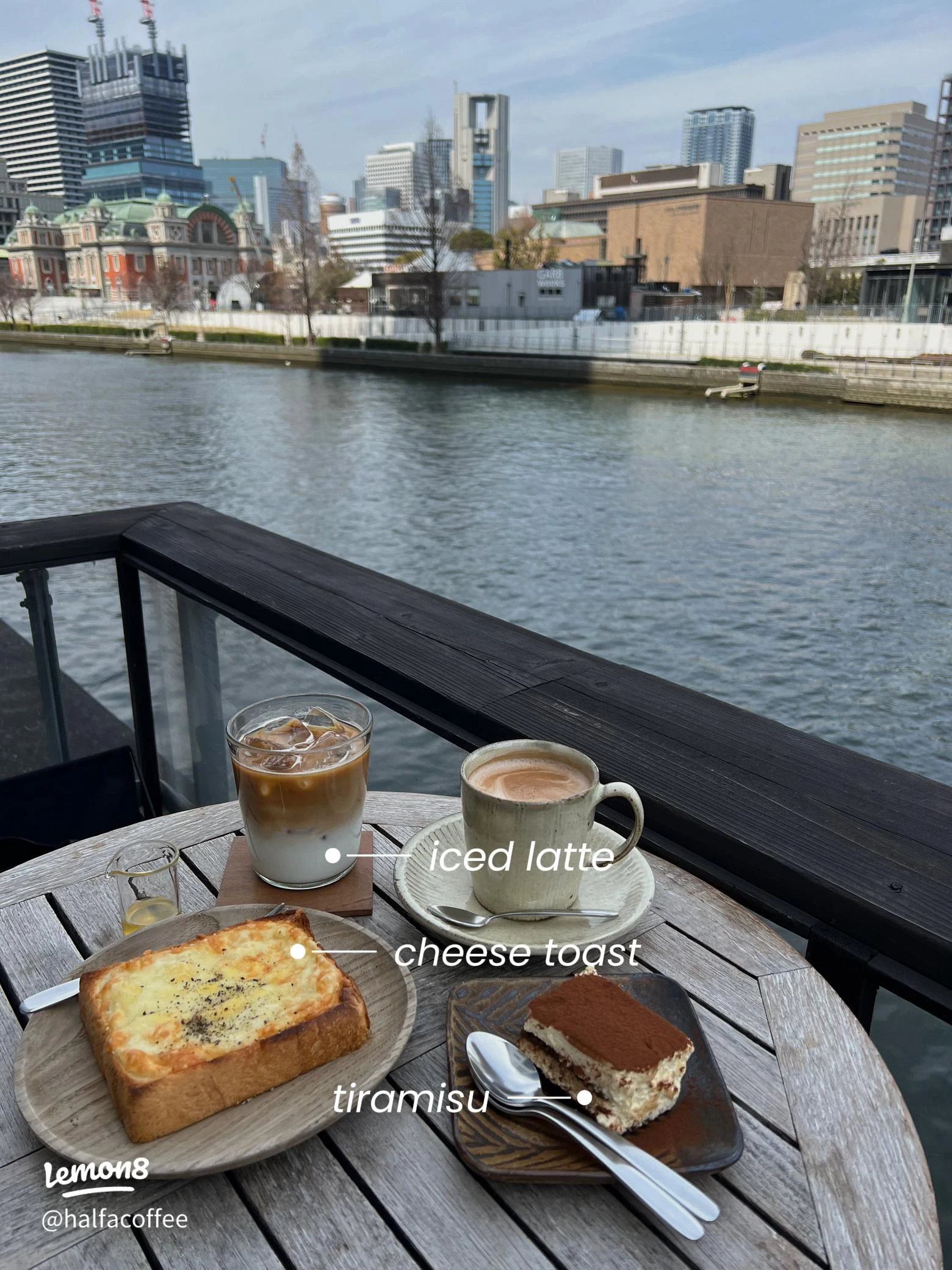
The sweets program gives the room its occasion use. Japan’s café category has long sat between kissaten nostalgia and patisserie precision; Osaka’s better examples are judged not only on extraction but on whether cake, seating, and timing can hold a proper visit. Here, pastry serves coffee rather than acting as a separate dessert destination, making the experience more flexible than a restaurant reservation but more composed than grab-and-go.

The 2025 Tabelog 100 Cafe WEST selection is the key trust signal, placing the café in a curated regional bracket rather than among general Osaka coffee shops. Its Tabelog score of 3.59 reinforces the point: not a hidden backstreet curiosity, but a recognized café in a competitive west-Japan field where consistency, category fit, and repeat local use matter.

Roastery credibility inside a city built on everyday eating

Osaka’s dining reputation is often explained through appetite: okonomiyaki, takoyaki, kushikatsu, late-night noodles. Coffee is quieter but essential to how the city moves. The modern Osaka café must serve office breaks, parent-and-child visits, date afternoons, and tourists needing a gentler interval between dense meals. A roastery café with visible production fits that rhythm, especially in Tenma, where commercial streets and residential pockets sit close together.

SANWA COFFEE WORKS began in 1959 as a downtown coffee-shop brand and now operates three locations, including this Tenma main store. The timeline shows Osaka café continuity: the city’s kissaten lineage has not disappeared, but has been repackaged through roasting equipment, cleaner interiors, and dessert programs for contemporary café use. The Tenma main store’s 2022 reopening sharpened that shift, with Yoshiyuki Morii credited for the design and a Japanese-made Lucky Coffee Machine direct-fire 4 kg drum roaster visible on the second floor.

That roaster is more than decorative trivia. In a market crowded with espresso bars and chain cafés, in-house roasting changes the competitive frame, placing the room nearer specialist coffee culture while retaining the comfort and seating logic of a traditional café. For a traveller planning a celebratory but relaxed daytime stop, that combination is more useful than a minimalist counter where lingering feels discouraged.

Compared with nearby casual dining, the value proposition is clear. Tamaichi sits in a lower quick-meal bracket, while anello and Tabibito Chef no Thai Shokudo KHAO occupy a higher casual-restaurant band. Gochiso nene points toward tempura, and DIVA reads as another dining decision altogether. The café’s lane is narrower: coffee, cake, and seated time. That narrowness helps when the occasion calls for conversation rather than a full meal.

How to fold it into an Osaka day

The strongest use case is daytime. Pair it with Tenma’s market energy, the long covered shopping rhythm of Tenjinbashi-suji, or a later dinner reservation elsewhere. The café is near Tenjimbashisuji Rokuchome Station and workable from JR Tenma, making it practical for visitors staying around Umeda or moving between north Osaka neighbourhoods. There is no dedicated parking, so train access is the cleaner plan for a special-occasion outing.

The no-reservations format changes the planning logic. For a major birthday or time-sensitive itinerary, do not anchor the day around a confirmed table here. For a softer celebration, it works because it is low-pressure: arrive with flexibility, use the café as a daytime hinge, then let evening carry the formal weight. Payment flexibility, English-capable multilingual service, take-out, Wi-Fi, and wheelchair accessibility help mixed-age groups or visitors with different needs.

Within an Osaka itinerary, it also contrasts usefully with the city’s heavier eating. Build the day around coffee here, then move toward more substantial addresses through Our full Osaka restaurants guide. For broader planning, pair that with Our full Osaka hotels guide, Our full Osaka bars guide, Our full Osaka wineries guide, and Our full Osaka experiences guide.

For readers comparing the city’s casual register, the surrounding EP Club map helps. Osaka’s everyday-food spectrum runs from bakery and café stops such as 52CHO-ME BAKERY and.cafe to regional crowd-pleasers like 551 Horai (551蓬莱), pizza at 99 Pizza Napoletana Gourmet, and Italian cooking at a canto (Italian). Wider Japan comparisons stretch from -Grilled beef Sukiyaki- KAMAKURA TANUKIAN 鎌倉 たぬき庵 in Kamakura and. 鮪と炭火焼き うお炭 秋葉原店 in Tokyo to.know in Kumamoto, (Shoku) Vietnam in Kawasaki, [Curry Senmon Ten] Maruyama Kyoju. in Sapporo, and [ki:] in Kyoto. For Japanese food culture abroad, Jōdo Saké Bar in Los Angeles and Onigiri Time in Pasadena show how focused formats travel.

The editorial call is simple: use SANWA COFFEE WORKS Tenma honten for a polished daytime occasion when coffee, cake, and comfortable seating matter more than theatrical service. Osaka has flashier meals, but this is a well-credentialed café for celebrations that benefit from calm pacing and a room built around staying a while.

Tags

ClassicCozyHidden GemSoloAfter WorkCasual HangoutStandalone