Why go
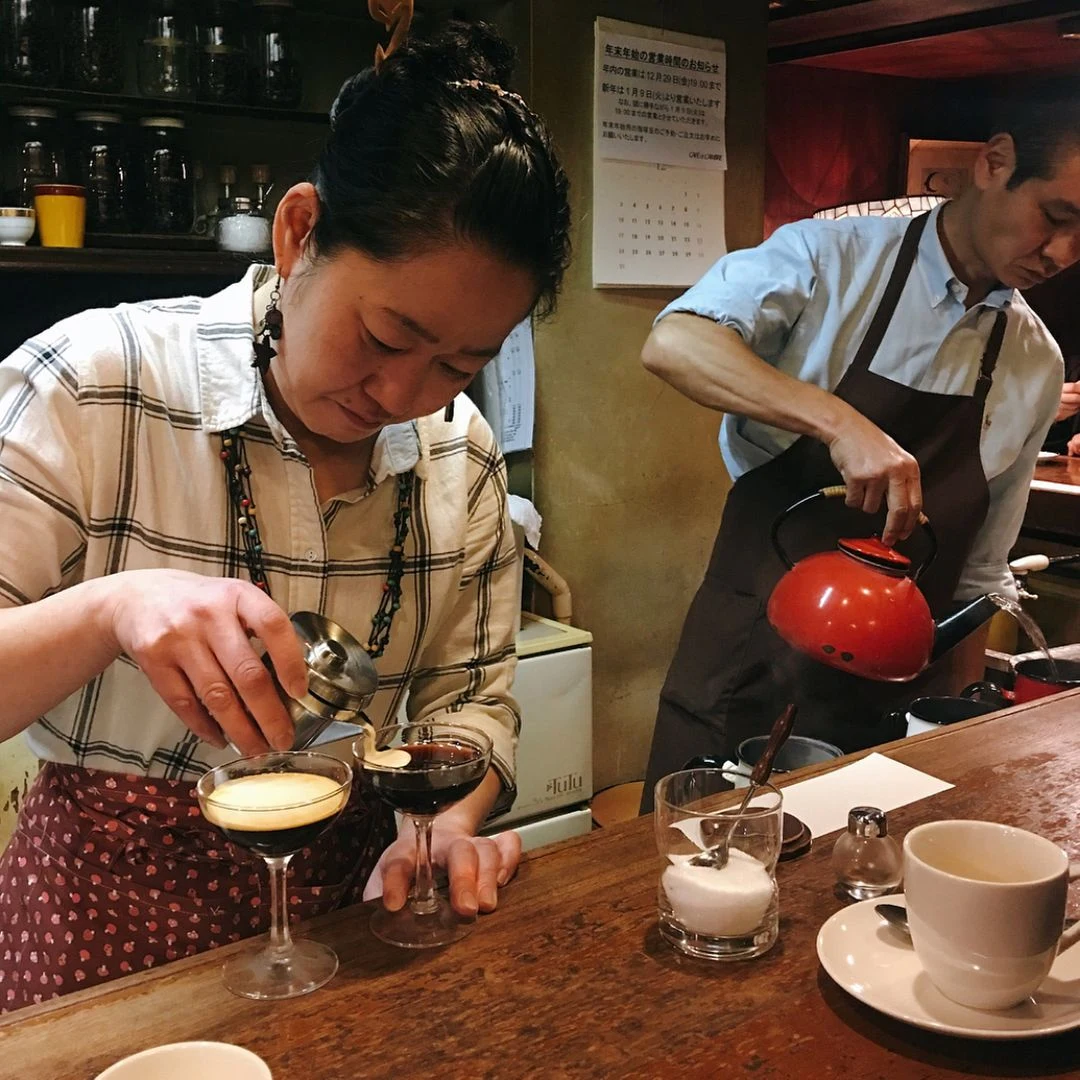
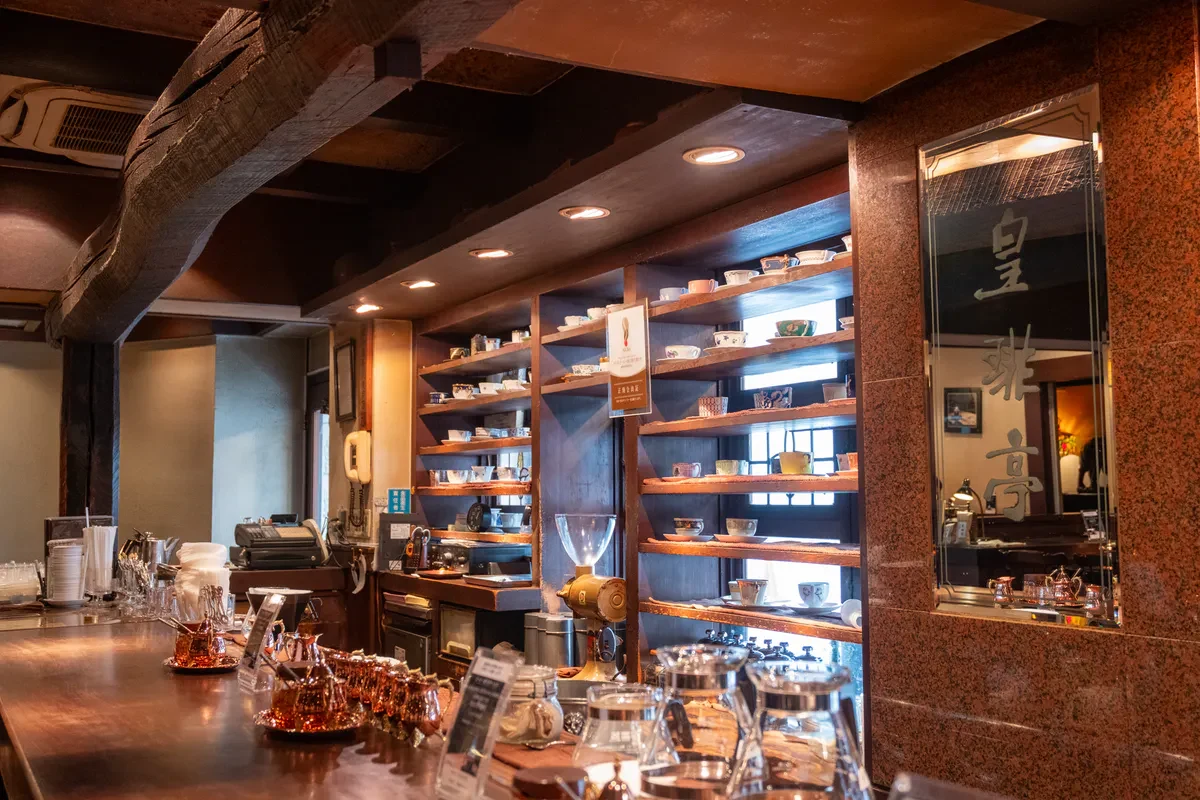
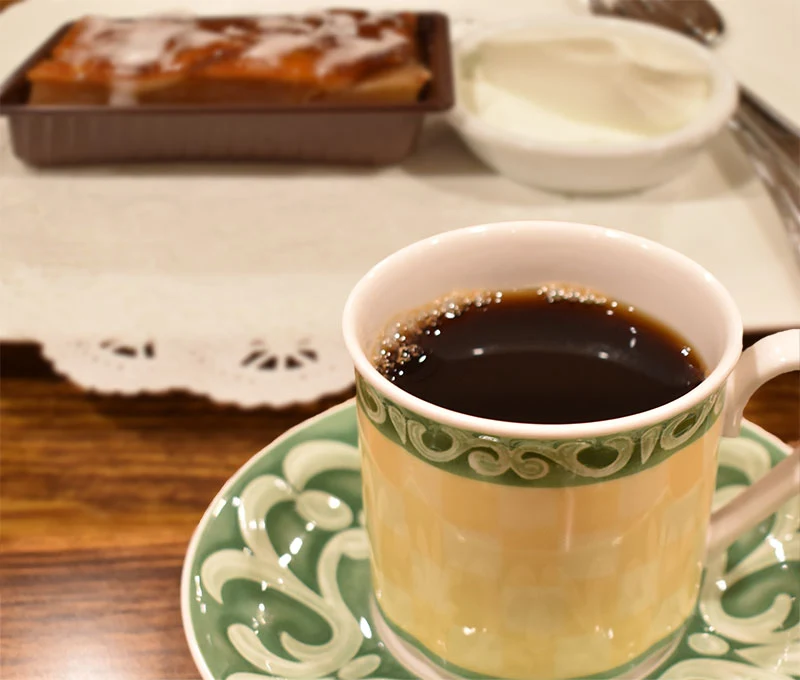
Approaching a Tokyo kissaten differs from entering a specialty cafe. The cues are quieter: a low room, not a glassy showroom; counter seats, not laptop rows; bread beside coffee; and a pace that asks for attention without performance. Cafe Bach sits in that older grammar. It is not built around spectacle, latte art, or a dessert queue, but belongs to Japanese coffee shops where room, cup, and the pause between errands matter as much as the order.
In Tokyo, where coffee culture splits into precision roasters, design-led cafes, hotel lounges, retro kissaten, and hybrid bakeries, that distinction matters. Kissaten are the least theatrical and often hardest to read from outside Japan. Their pleasures sit in habits: solo counter customers, small tables for conversation, and a menu that handles breakfast, an afternoon stop, or a light meal without making any an event.
Nihonzutsumi makes the kissaten format feel grounded, not nostalgic
The setting gives the room weight. Nihonzutsumi and the wider Minami-Senju side of Taito do not behave like Ginza, Aoyama, or Daikanyama, where cafe culture often arrives in retail polish. This part of Tokyo has a workaday texture, closer to old east-side rhythms than the city’s international luxury circuit. Here, a serious coffee shop reads less as lifestyle statement than social infrastructure.
Cafe Bach’s recognition by Tabelog’s Kissaten 100 in 2021 and 2022 places it in a defined national category, not a vague “cafe” bucket. That signal helps because kissaten are judged differently from destination tasting menus or cocktail bars. The measures are narrower and exacting: consistency, coffee focus, food that supports the format, and a room that carries daily use. A Tabelog score of 3.76 reinforces the point without making the visit trophy dining.
For a milestone meal, this is not the room for champagne, speeches, and a long procession of courses. Its occasion value is subtler: the birthday morning before a larger dinner, the first stop after arriving, a quiet parent-and-child outing, or a solo reset between temple visits, shopping, and trains. Tokyo has many restaurants for celebration by expense; the kissaten offers celebration by pause.
Where coffee, bread, and counter seating shape the occasion
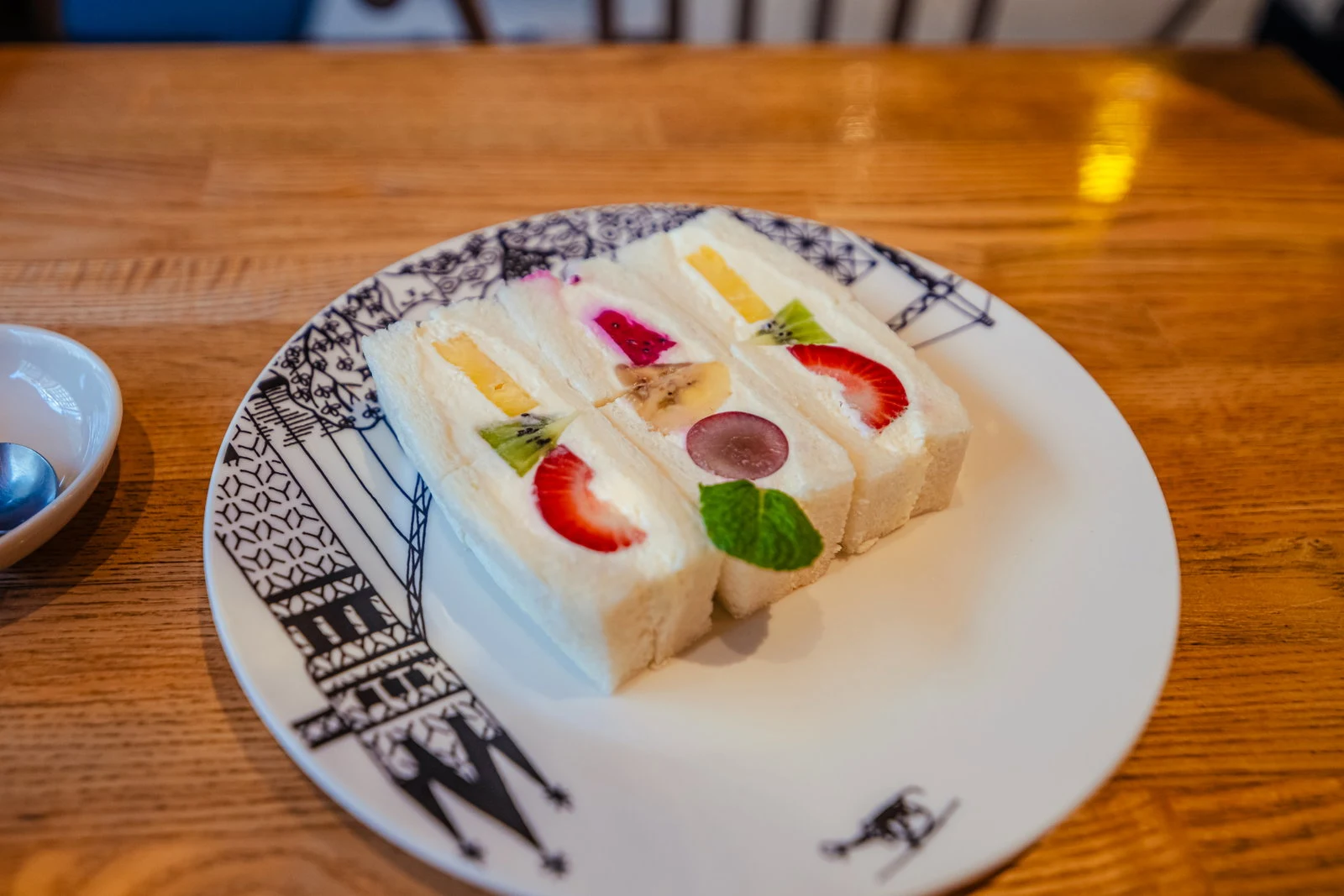
The category listing tells the story: kissa, cafe, and bread. That combination places the experience closer to everyday Japanese coffee-shop dining than to a pastry boutique or restaurant with a beverage program. Counter seating also matters. In Tokyo, counters are not limited to sushi and yakitori; they are social design, making solo dining feel intentional. With 34 seats, seven at the counter and the rest at tables, the room stays focused without becoming a reservation chase.
That scale shapes the occasion. A kissaten anniversary stop works when the aim is time together, not ceremony. It is better for two people talking over coffee than a group staging a toast. Family friendliness and children being welcome broaden the use case, unlike some rarefied Tokyo dining rooms. Non-smoking status also separates it from the older smoke-filled coffee-shop stereotype, important for travelers who love kissaten culture but not its historical haze.
Nearby comparisons clarify the lane. Maruchiba works in a higher-spend izakaya register, Obana represents unagi tradition, Ramenya Toy Box belongs to the ramen specialist track, and Asakusa Juroku sits in a more expensive meal bracket. Cafe Bach occupies neither full-dinner nor quick-noodle territory. It is a daytime hinge: lower-pressure than a formal restaurant, more anchored than takeaway coffee, and better for conversation than throughput-driven casual stops.
That makes the modest spend bracket editorially relevant without turning the visit into a bargain hunt. Tokyo’s acclaimed dining often asks travelers to plan around high deposits, fixed menus, and scarce seats. Kissaten culture offers a different value proposition: smaller outlay, narrower ritual, and more democratic access. Reservations are unavailable, so timing becomes part of the experience rather than administration. Expect coffee-shop rhythm, not a guaranteed table at a chosen minute.
How Cafe Bach fits into a Tokyo itinerary
For a serious Tokyo food itinerary, the mistake is treating every meal slot as a contest for grandeur. The city is better read in layers. A sushi counter, ramen specialist, yakitori room, izakaya, kissaten, and department-store food hall each reveal a different system of taste, time, and behavior. Cafe Bach earns its place because it shows Tokyo handling coffee as culture without imitating European cafe mythology or contemporary specialty-bar minimalism.
Its Taito position also counters western Tokyo’s polished cafe districts. Pairing an east-side coffee stop with Asakusa, Minami-Senju, or older shitamachi neighborhoods gives the day more coherence than crossing town purely for a drink. The area rewards travelers who move slowly and accept that some of Tokyo’s strongest food experiences are not clustered around luxury hotels or fashion addresses.
Readers mapping a wider restaurant day can use Our full Tokyo restaurants guide for the broader field, then compare formats across . 鮪と炭火焼き うお炭 秋葉原店, 12/10 Shinjuku ten, 124. KAGURAZAKA (Yakitori), 2D Cafe, and 3 Chome no Curry Ya San. For trip structure beyond meals, the companion city guides cover Our full Tokyo hotels guide, Our full Tokyo bars guide, Our full Tokyo wineries guide, and Our full Tokyo experiences guide.
For a broader Japan and trans-Pacific comparison of casual formats, see -Grilled beef Sukiyaki- KAMAKURA TANUKIAN 鎌倉 たぬき庵 in Kamakura,.cafe in Osaka,.know in Kumamoto, (Shoku) Vietnam in Kawasaki, [Curry Senmon Ten] Maruyama Kyoju. in Sapporo, [ki:] in Kyoto, Jōdo Saké Bar in Los Angeles, and Onigiri Time in Pasadena. The comparison is not cuisine alone, but how modest formats carry cultural seriousness when allowed to stay modest.
The editorial verdict is clear: Cafe Bach is strongest as an occasion of restraint. Choose it when celebration calls for a composed daytime interval, a serious cup, and a room belonging to Tokyo’s older coffee language. Save grand gestures for dinner; let the kissaten do what it does better: make an ordinary hour feel properly marked.