Why go
Shokupan first, everything else after
Two breads carry the whole operation: shokupan, the square sandwich loaf, and roll bread. That is the entire Pelican lineup, and the café exists to show what those two can do rather than to cover every bakery-café category. The bakery behind it has been working in Asakusa since 1942, and the café is its direct expression, run so the loaf stays the point.
The philosophy is plain: bread you can eat every day without tiring of it, with a taste that does not change simply because the times have. The signature is Pelican bread itself, not novelty or elaborate plating. Its appeal is the steady pleasure of shokupan handled with heat, softness and restraint.
The café belongs to the bread
The story starts with the bakery rather than with a chef. Leadership is expressed through bread standards and a café model that protects the product's central role, and the kitchen's job is narrow: manage texture, apply heat carefully, and avoid anything that distracts from the loaf.
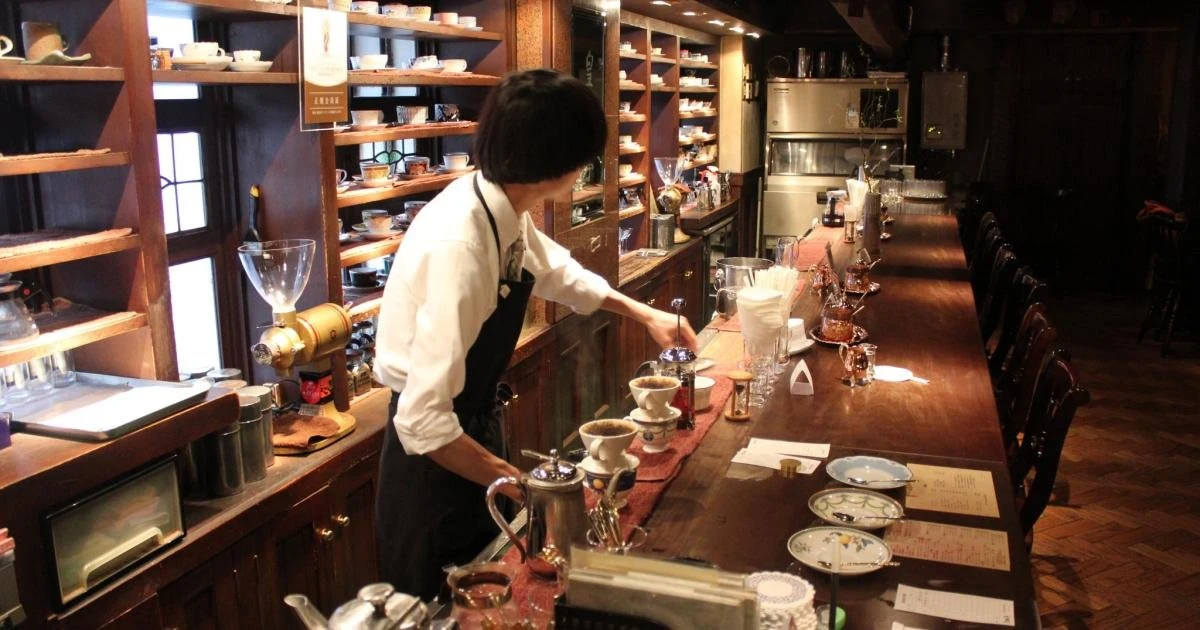
That restraint shapes the room. Pelican Cafe is a specialist bread destination, not a generalist restaurant, and its Asakusa setting ties it to the old downtown where the bakery started. The register is modest and familiar: traditional bread, old-fashioned coffee, and a storefront rhythm where bread sales and simple café eating overlap. The result is a Tokyo bakery-café built on recognition, repetition and confidence in a tightly controlled range.
Toast first, then a sandwich
Start with the toast. The shokupan is cut thick and taken to heat on equipment chosen to bring out what the loaf already has, so the surface crisps while the crumb stays soft. It is the most direct expression of the house, and the reason the menu can stay this short.
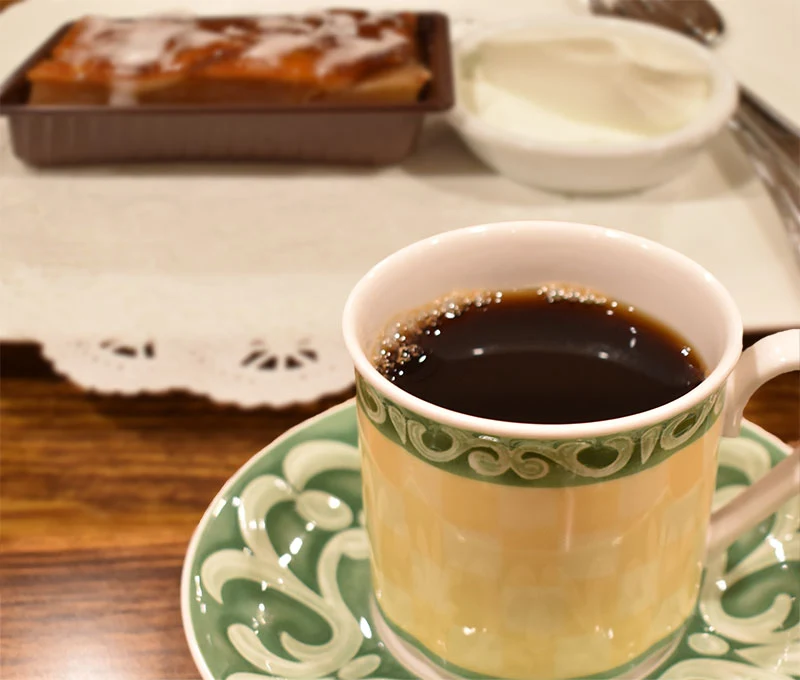
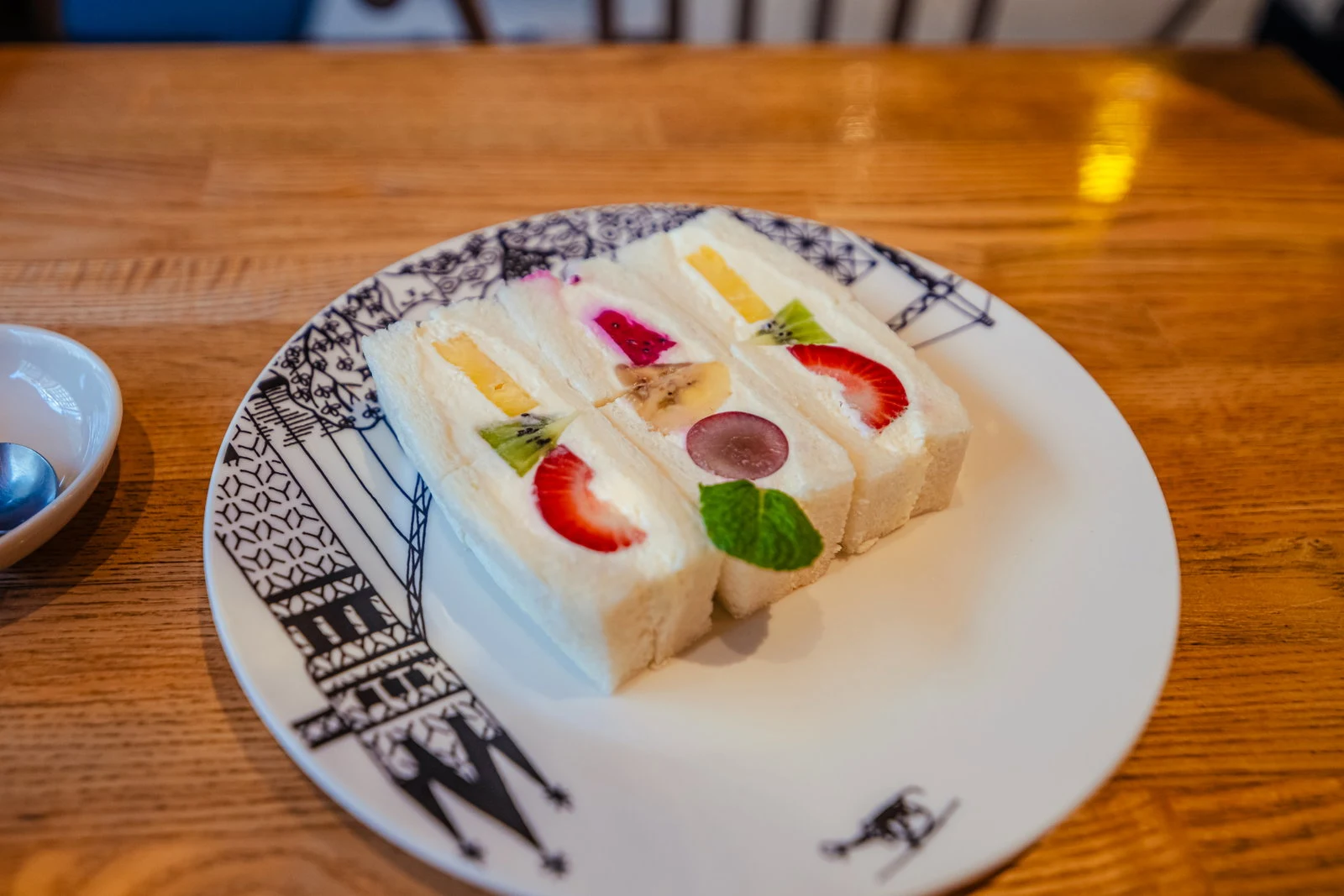
Then move to the sandwiches. Fruit sandwiches show the opposite face of the same bread, preserving the loaf's gentle softness instead of pushing toastiness, with the sandwich bread working as structure rather than background. Roll bread belongs to the same compact range. Pair either with the café's balanced, nostalgic coffee and the meal stays inside the frame Pelican intends: simple, warm and centred on a bread tradition kept since 1942.
Tags
Frequently asked questions
What should I order at Pelican Cafe?
Thick-cut toast made from the house shokupan. It is taken to heat on equipment chosen for the loaf, so the surface crisps while the crumb stays soft, and it is the most direct expression of the bakery. After that, a fruit sandwich shows the same bread untoasted, soft and gentle.
Why is the menu so short?
Because the bakery makes only two breads, shokupan and roll bread, and the café exists to show what they can do rather than to cover every category. The idea behind it is bread you can eat every day without tiring of it, so the kitchen manages texture and heat and avoids anything that distracts from the loaf.
Compare nearby places
| Venue | Type | Area |
|---|---|---|
| Coffee Tei Ruan | Café | Omori, Ota City |
| Usagiya CAFE | Café | Ueno |
| Cafe Bach | Café | Taito |
| Kayaba Coffee | Café | Yanaka |
| M & C Cafe Marunouchi oazo | Café | Marunouchi |