Omori, Ota City

Coffee Tei Ruan

CafeCoffee Bar4.3 on GoogleAbout $7 a head
Coffee Tei Ruan

Why go

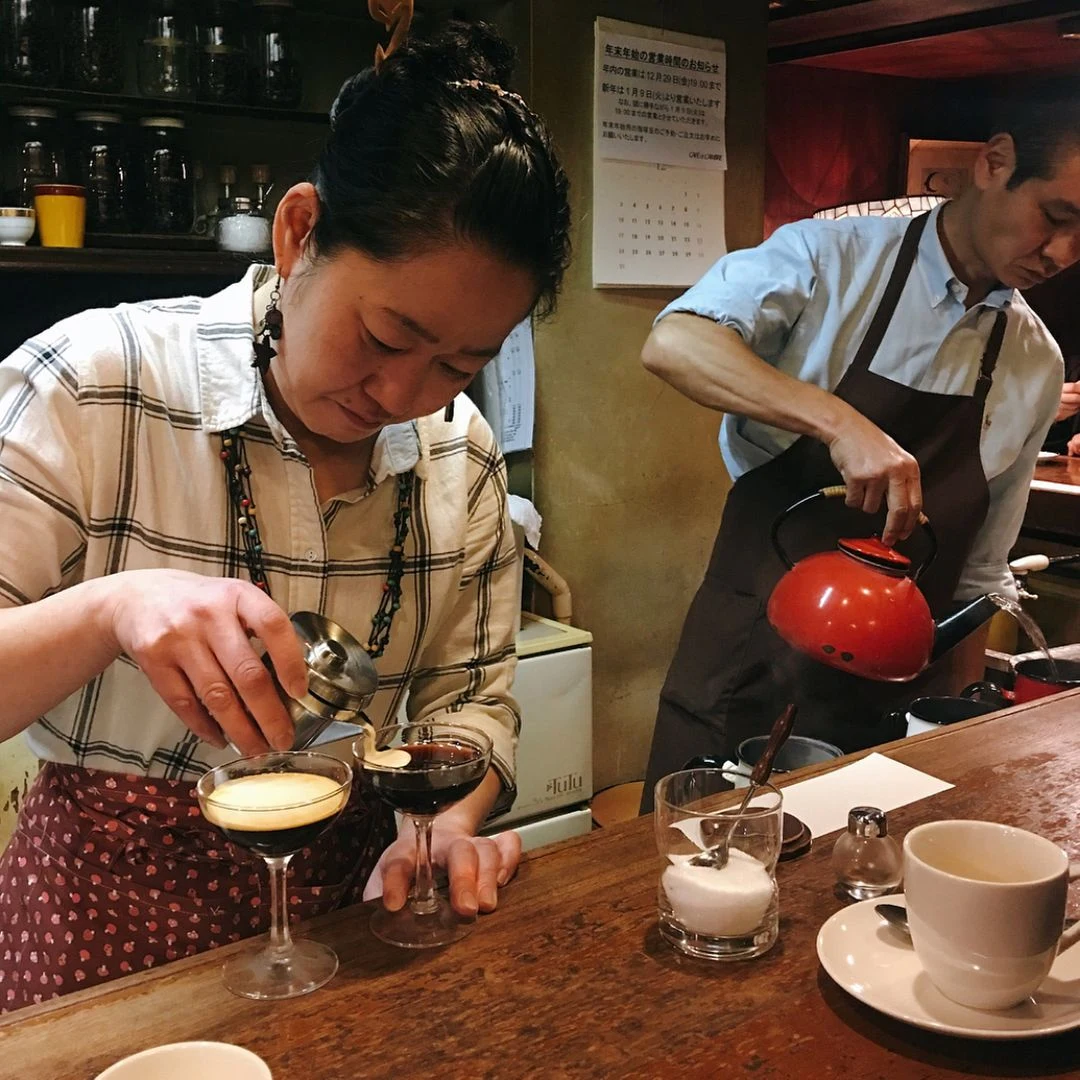
Approaching an old Tokyo kissaten is different from entering a specialty coffee bar. The cues are slower: a room built for lingering, counter seats for solitary regulars, sofa seating for longer conversations, and a rhythm closer to a neighbourhood salon than a grab-and-go caffeine stop. Coffee Tei Ruan sits in that lineage in Omori, where the pleasure is less about novelty and more about the city’s older café grammar: coffee, cake, breakfast, newspapers, families, and solo diners sharing the same room without competing for attention.

Tokyo’s café culture now splits into two visible camps. One is the design-forward espresso bar, calibrated for single-origin beans, clean counters, and quick turnover. The other is the kissaten, a postwar Japanese coffee-house form where comfort, smoking policy, seating type, and morning service can matter as much as the cup itself. The latter category has become harder to read from the outside because it is not always loud about ambition. Recognition helps. Selection for Tabelog 100 Kissaten in 2021 and 2022 puts this Omori address inside a curated field of Japanese coffee shops rather than the general café market.

Omori's kissaten rhythm, not central Tokyo café theatre

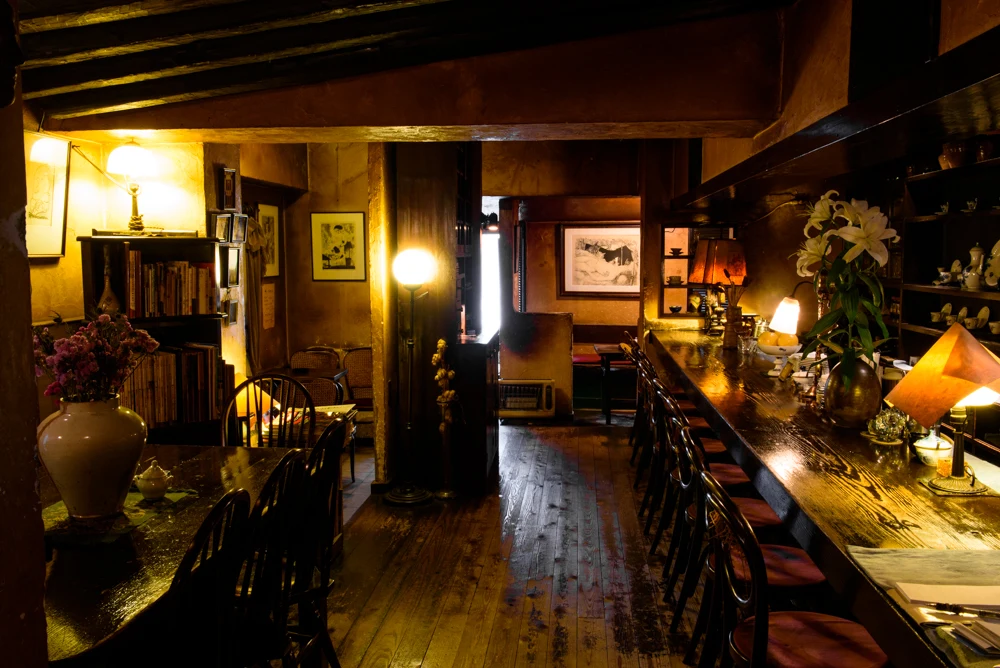
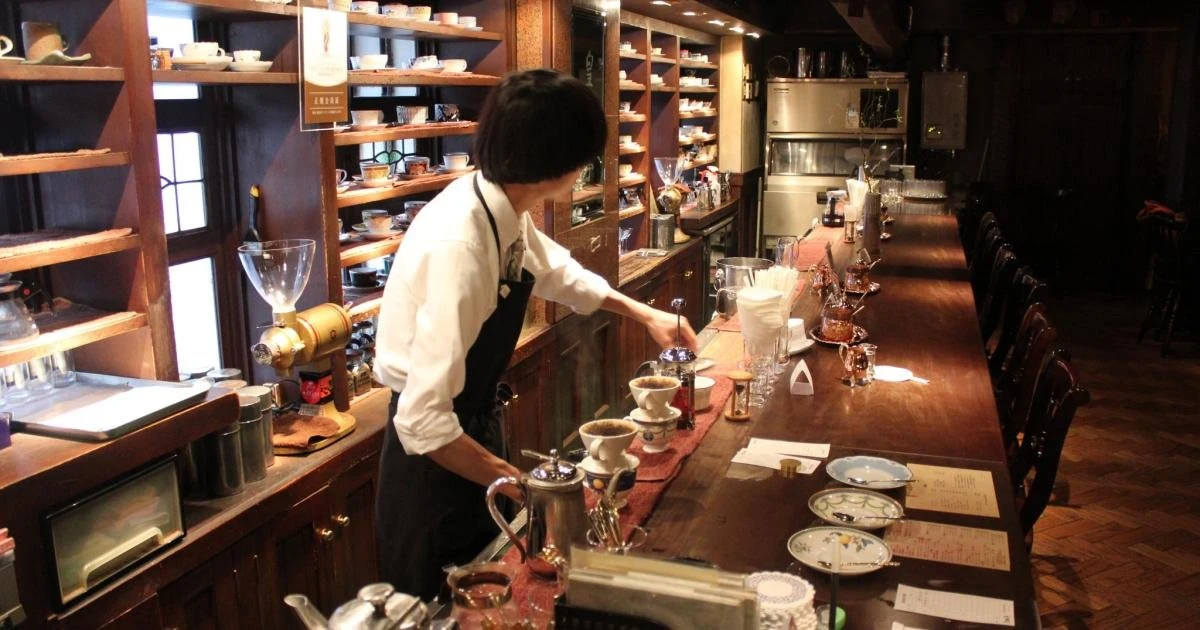
Omori changes the frame. This is not Ginza’s counter economy or Shibuya’s queue culture; it is a south Tokyo railway neighbourhood where cafés tend to function as daily infrastructure. In that context, an 80-seat kissaten reads differently from a small destination counter. Capacity supports multiple modes at once: a lone guest at the counter, a family with children, friends settling into sofa seating, and small private-room groups. That breadth is part of the category’s appeal. A kissaten is not trying to compress everyone into the same tempo.

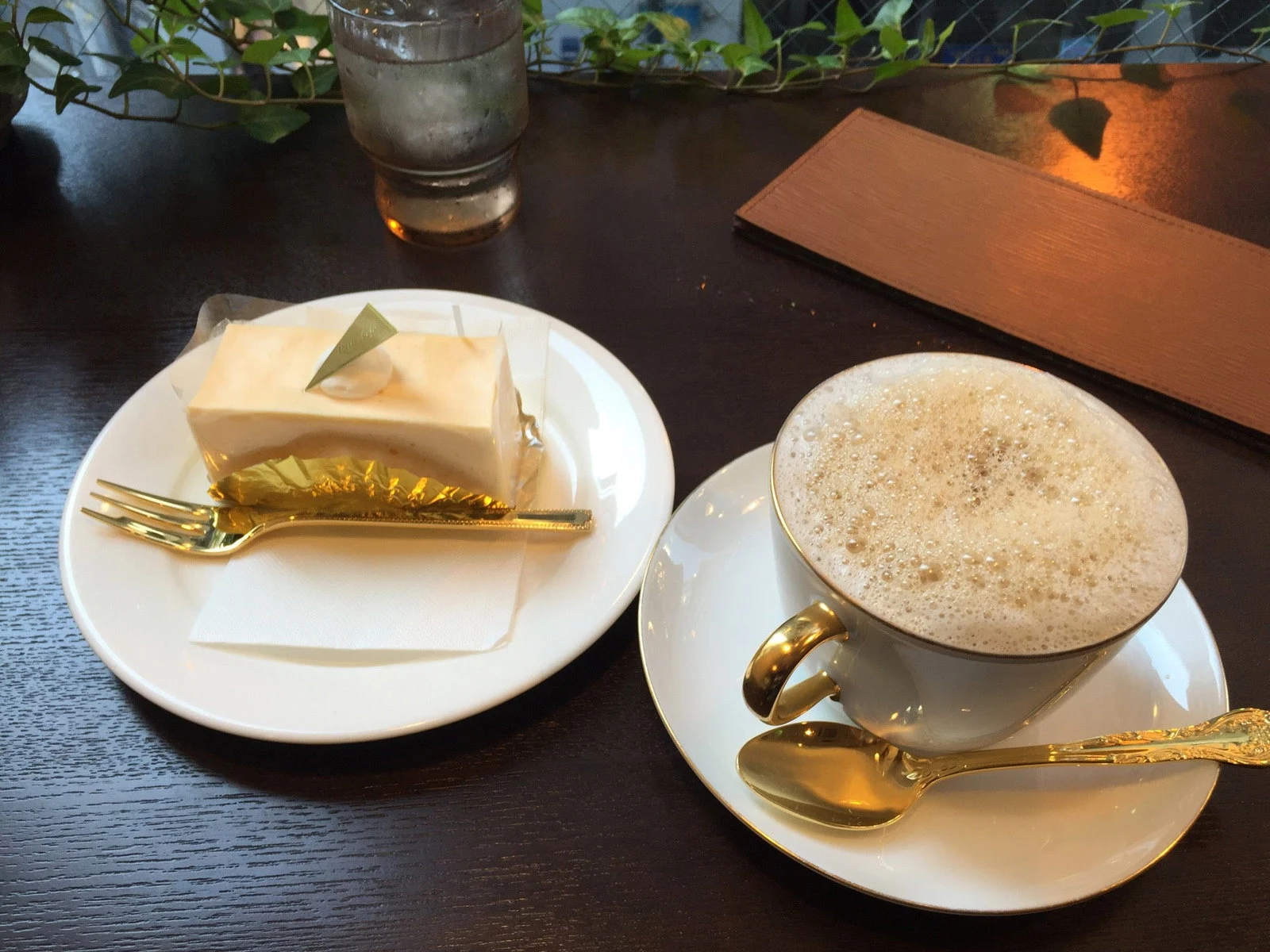
The sensory register is also quieter than contemporary café branding. The room format points toward upholstered duration rather than laptop minimalism, and the non-smoking policy gives the older genre a cleaner present-day expression. Coffee, cake, and breakfast form the core identity, which is exactly where a classic kissa should be judged. The defining idea is not a chef-led menu or a named specialty; it is the preservation of a Japanese coffee-shop format that gives equal weight to morning use, sweets, seating, and social neutrality.

That makes the comparison set unusual. A traveller looking at Tokyo breakfast might also notice Kerala no Kaze no Morning, where the draw is a more specific morning-food proposition, or Oshokuji Maruyama, where pricing places it in a nearby everyday bracket. Those comparisons clarify the point: Coffee Tei Ruan is not competing with sushi counters such as Sushidokoro Shishi or higher-ticket meals such as Tenfuku. Its value sits in the low-cost, repeatable end of Tokyo dining, where atmosphere and regularity carry more weight than ceremony.

What the award signal means in a coffee-shop category

Tabelog’s Kissaten 100 list matters because the category resists the usual luxury shorthand. Michelin stars, tasting menus, and sommelier pairings do not explain why a Japanese coffee shop earns loyalty. The relevant signals are more modest and more specific: breakfast availability, a room that can absorb different guest types, sweets alongside coffee, and enough local standing to be noticed in a national-style selection. A 3.70 Tabelog score also places the venue above the anonymous neighbourhood-café tier in a market where incremental score differences can be meaningful.

There is a useful discipline to this kind of recognition. It does not turn the kissaten into a destination restaurant, and it should not be read as a promise of culinary fireworks. It identifies a shop operating convincingly within a tradition. For visitors who already have Tokyo mapped through omakase, tempura, tonkatsu, and cocktail bars, this is a corrective: the city’s food intelligence is not confined to expensive counters. A low-price coffee shop can carry as much urban information as a formal meal if the reader knows what to look for.

The Omori location reinforces that reading. Central Tokyo often rewards speed, scarcity, and performance; an outer-neighbourhood kissaten rewards patience and observation. The room is the text. Counter seating signals solo utility, sofa seating signals time, private rooms signal small-group flexibility, and the family-friendly positioning keeps the place embedded in ordinary life. Those are not decorative details. They explain why the old coffee-house format continues to survive alongside newer café movements.

How to place it in a Tokyo itinerary

The sharpest use of Coffee Tei Ruan is as a morning or daytime counterpoint to Tokyo’s reservation-heavy dining schedule. Pairing a kissaten stop with a later formal meal gives the day better proportion: coffee-shop ease before sushi, yakitori, curry, or beef. For a wider restaurant map, EP Club’s Tokyo coverage ranges from . 鮪と炭火焼き うお炭 秋葉原店, 12/10 Shinjuku ten, 124. KAGURAZAKA (Yakitori), 2D Cafe, and 3 Chome no Curry Ya San to Our full Tokyo restaurants guide. City planning can also extend through Our full Tokyo hotels guide, Our full Tokyo bars guide, Our full Tokyo wineries guide, and Our full Tokyo experiences guide.

Japan’s casual-dining range is broad enough that a kissaten should not be treated as a minor category. It belongs on the same cultural map as regional curry, compact cafés, sake bars, and overseas Japanese formats: -Grilled beef Sukiyaki- KAMAKURA TANUKIAN 鎌倉 たぬき庵 in Kamakura,.cafe in Osaka,.know in Kumamoto, (Shoku) Vietnam in Kawasaki, [Curry Senmon Ten] Maruyama Kyoju. in Sapporo, [ki:] in Kyoto, Jōdo Saké Bar in Los Angeles, and Onigiri Time in Pasadena. Read that way, Coffee Tei Ruan is not a detour from Tokyo dining. It is evidence of how much of the city’s food culture happens below the fine-dining price line.

Tags

ClassicCozyIconicQuietSoloCasual HangoutAfter WorkFamilyHistoric BuildingStandaloneDesign Destination