Why go
Bread and bagels in a counter that keeps moving
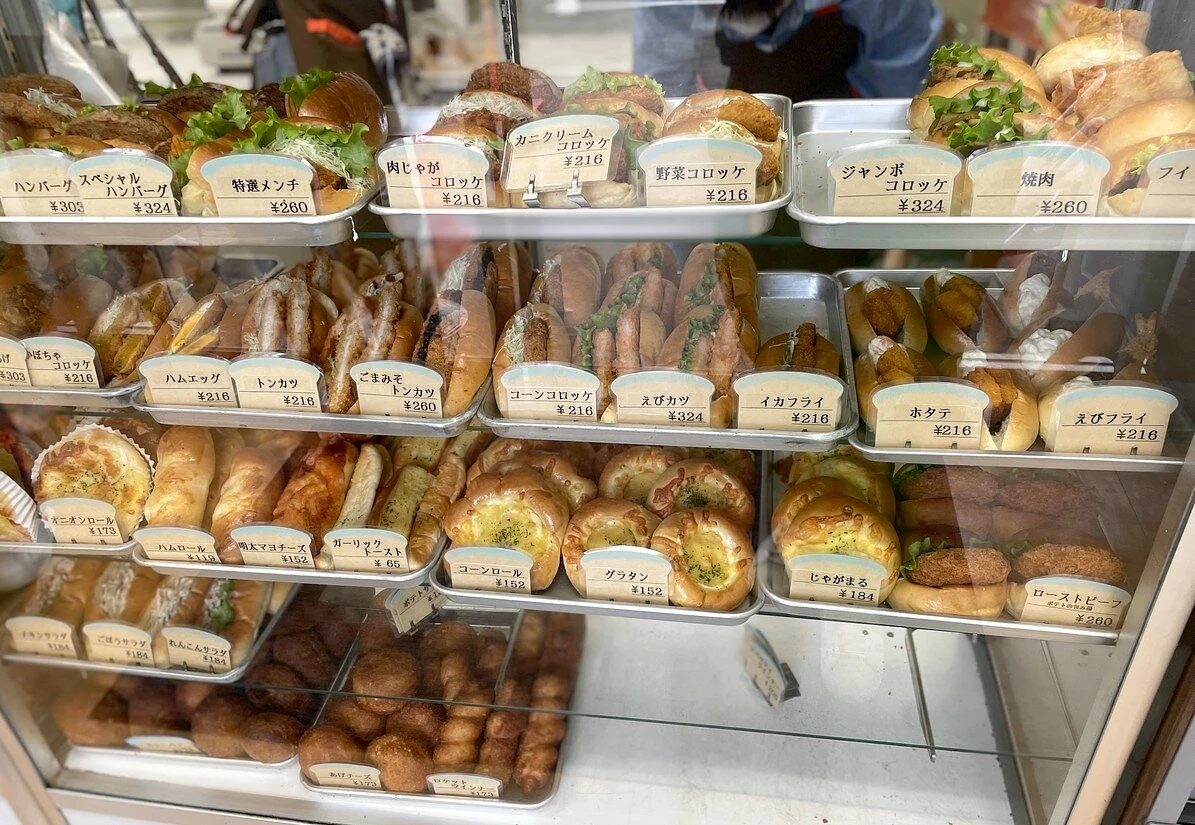
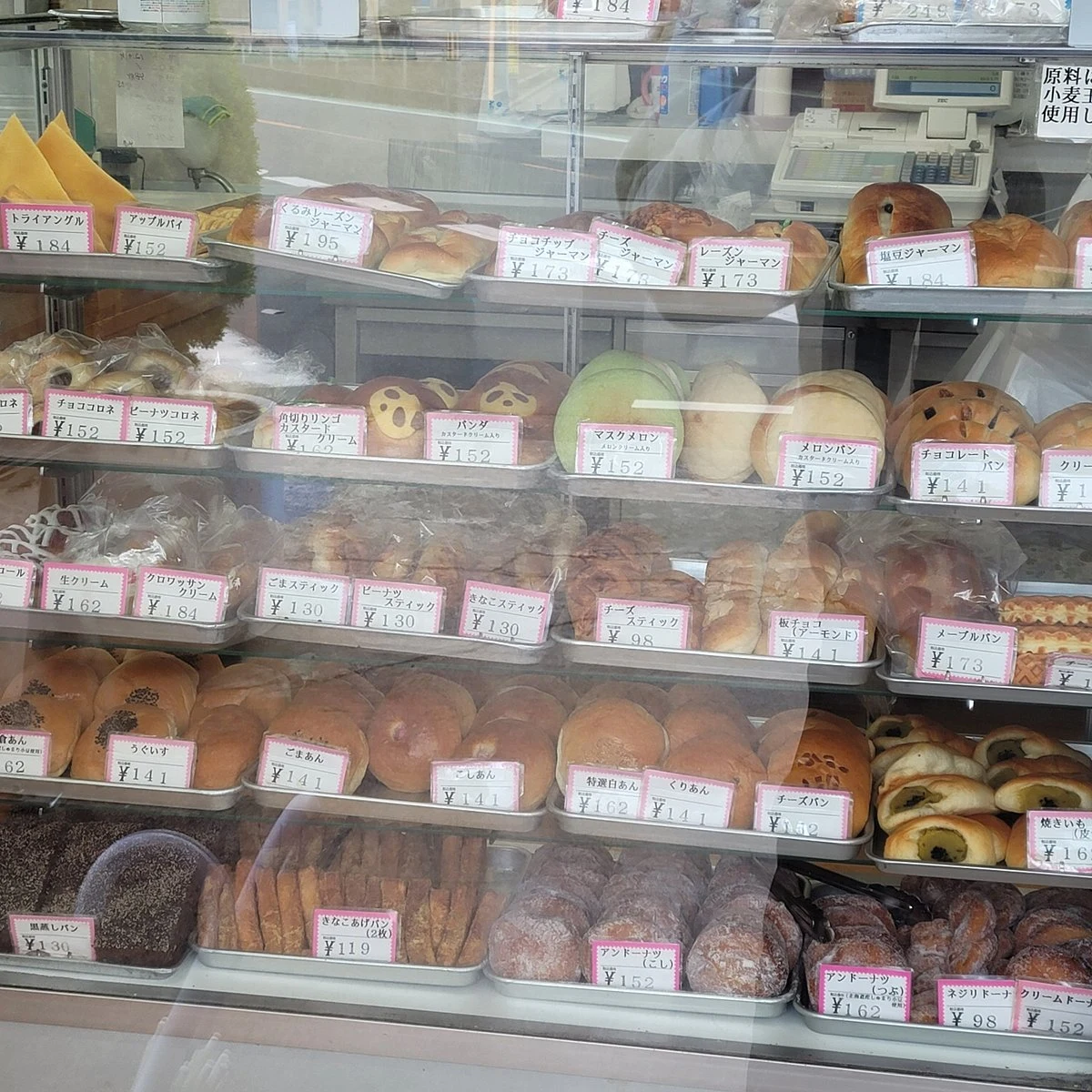
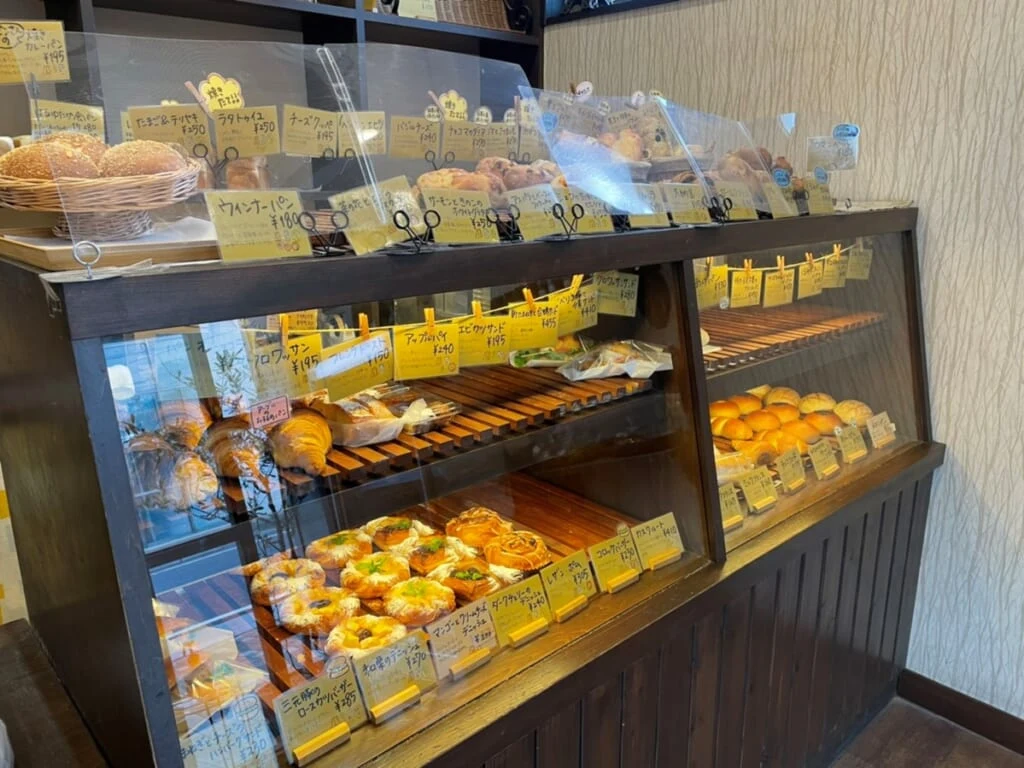
Bagels and bread carry this Asaka counter, with sandwiches filling the middle ground between the two. The shop has been baking under the same name since 2009, long enough to be a fixture in the Negishidai end of the city rather than a passing project.
Boulangerie Arbre is a take-out bakery, so the visit is a short one: read the trays, pick what fits the day, carry the bag out. In 2022 it appeared on the Tabelog 100 list at number 93, which is rare recognition for a small suburban bread shop working on everyday trade rather than on a signature product.
A bakery built around the morning
Breakfast is the natural hour here. Bread bought early carries the household through the day, while the bagels and sandwiches make the same trip work as a meal in hand for anyone heading straight on.
Because there is no dining room to hold anyone, the rhythm is quick and repetitive. Regulars arrive, take the same two or three things and go, which is the shape of a neighbourhood bakery doing steady volume rather than staging a destination visit. It also explains why the counter is at its best early: the range is widest before the day has worked through it, and a bakery of this size bakes to the demand it knows rather than to a fixed all-day display.
Order a bagel, then bread for home
Take a bagel first. It is one of the few things the shop is named for beyond bread itself, and it is the easiest thing to eat on the way. Then choose bread for home, which is the real business here and the reason the shop has lasted since 2009.
A sandwich is the third option and the most useful one if the stop is standing in for lunch. There is no elaborate signature loaf to hunt down at this counter, and chasing one would miss the point. The honest order is the everyday one, which is what a bakery of this kind is set up to do well and what has kept it on the same corner for well over a decade.
Nothing about the operation is aimed at visitors. It is aimed at the households nearby, which is usually the better sign in a bread shop and the reason the same trays reappear day after day.
Frequently asked questions
What should I order at Boulangerie Arbre?
Take a bagel and a loaf. Bagels are one of the few items the shop is specifically identified with beyond bread, and the bread itself is the core of the business. Sandwiches are the third option and the most practical if the stop is replacing lunch. The counter is takeaway only, so order with the walk home in mind.
Has Boulangerie Arbre been recognised anywhere?
It reached the Tabelog 100 list in 2022 at number 93, which is unusual recognition for a small suburban bread counter. Beyond that, its record is longevity rather than trophies: it has baked under the same name in Asaka since 2009 and works on steady neighbourhood trade.
Compare nearby places
| Venue | Type | Area |
|---|---|---|
| Asaka Bakery Honmachi ten | Bakery | Honmachi |
| Asaka Bakery Asakadai ten | Bakery | Kita Asaka |
| BOULANGERIE KEN | Bakery | Itabashi |
| PÂTISSERIE APLANOS | Bakery | Musashi-Urawa |
| Patisserie Rotantikku | Bakery | Minami Urawa |