Why go
Three grades of shokupan over the counter
The loaf is the reason to come. Asaka Bakery Honmachi ten sells its shokupan in three grades, rising from the standard loaf through to the richest of the three, each step adding weight and sweetness to the same soft, fine crumb that Japanese milk bread is built on. Choosing between them is the only real decision the counter asks of you.
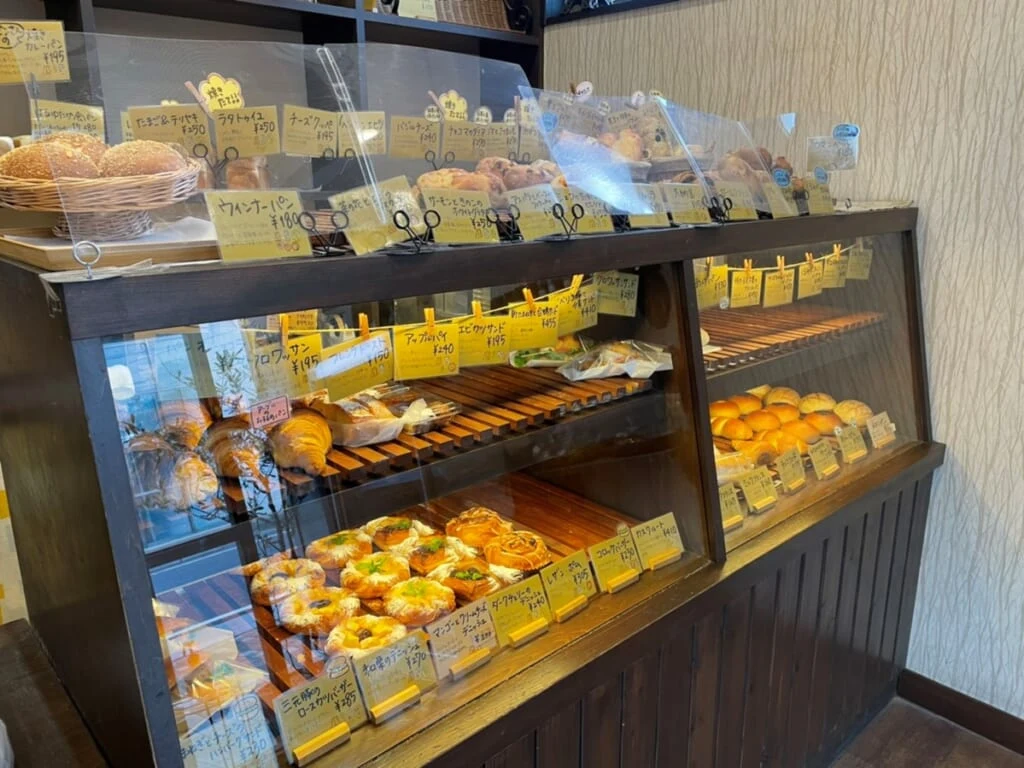
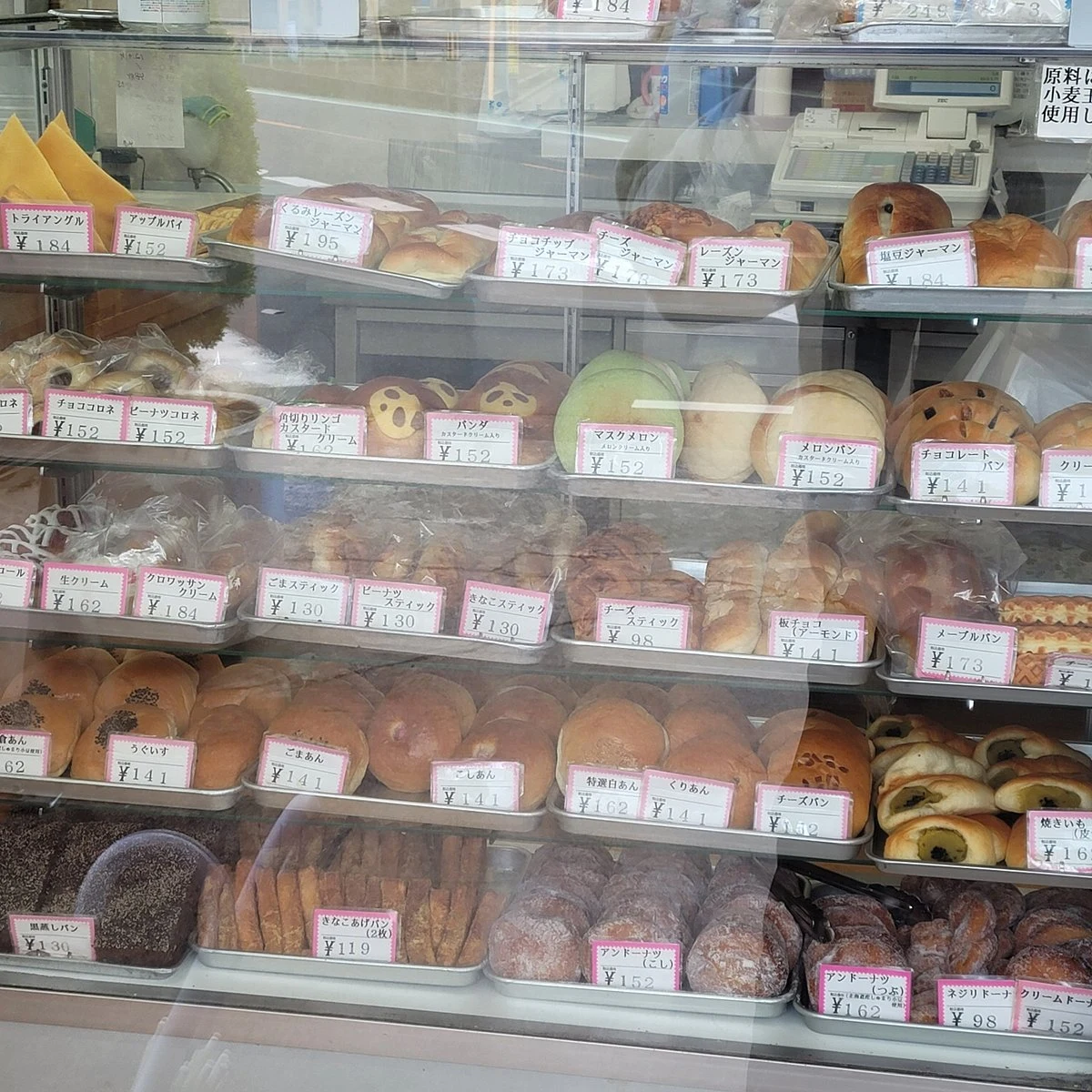
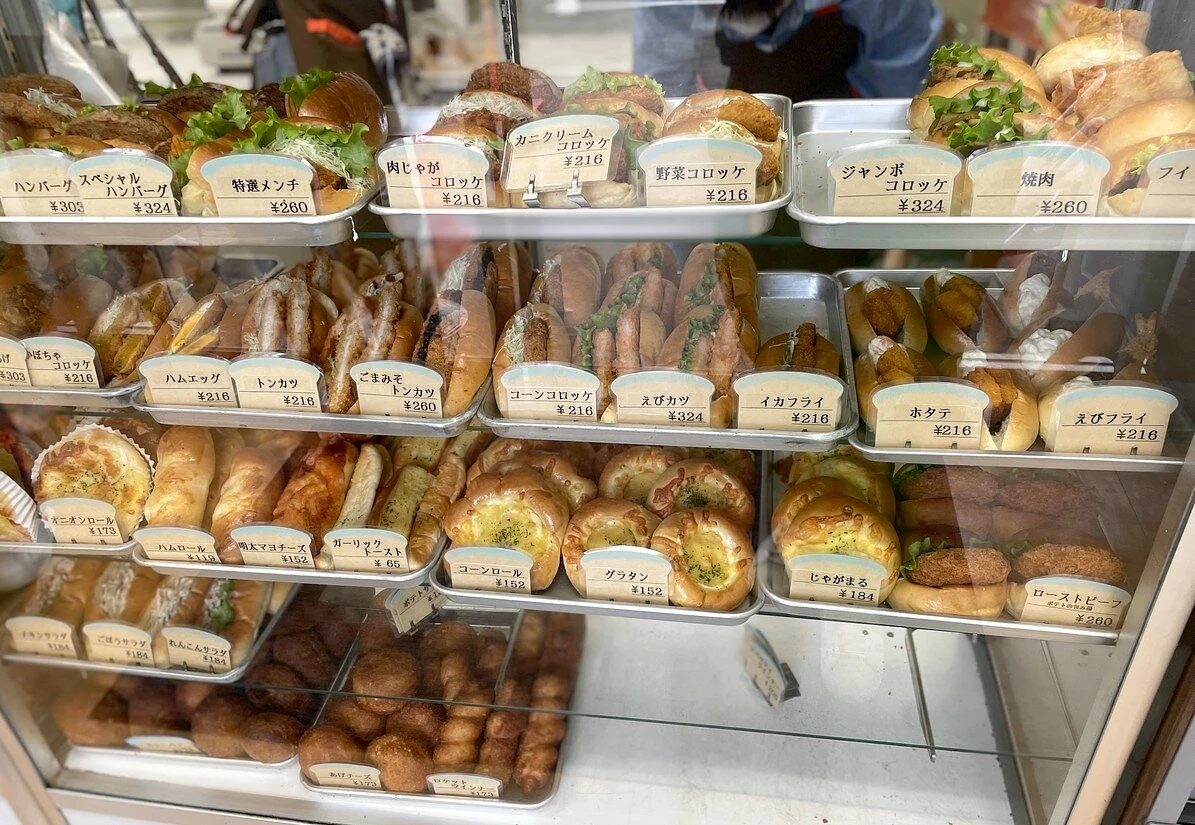
Around the loaves sits an old-fashioned bakery range rather than a modern one: melon pan with its crackled sugar shell, and sandwiches made on the shop's own bread. There is no pastry programme layered on top and no seasonal board to work through, which keeps the choice to bread first and everything else second.
A takeaway counter with a queue
There is no eat-in room here. The shop is built for collection, and a line at the door is normal rather than a sign that something unusual is happening. Regulars arrive already knowing which grade of loaf they want, buy it and go, so the whole transaction takes a minute once you reach the front.
The Honmachi shop is the group's town-centre counter and sits alongside its Asakadai branch, which makes Asaka Bakery a neighbourhood name in this part of Saitama rather than a single destination address. Tabelog selected it for the 2022 edition of its hundred-best list for bread in eastern Japan, which is the clearest outside signal of where the bakery stands.
Buy the loaf, then add the melon pan
Start with the shokupan, and if you are choosing blind, go a grade above the standard: the richer loaves are what the queue is for, and the difference is obvious side by side. One loaf is enough for most visits, since it is sold whole rather than by the slice.
The melon pan is the second thing to put in the bag, its crackled sugar top the counterpoint to all that soft white crumb. The sandwiches cover lunch if you are eating on the move, and because they are built on the shop's own loaves they are worth judging on the bread rather than the filling. Beyond that the shop does not publicise a signature bake, so the case in front of you is the menu and the sensible approach is to buy what looks freshest rather than to hunt for a named item.
Frequently asked questions
What is Asaka Bakery Honmachi ten known for?
Shokupan is what the bakery is known for, sold in three grades that rise in richness from the standard loaf upwards. Melon pan and sandwiches made on the house bread fill out a deliberately old-fashioned range. Tabelog selected the shop for the 2022 edition of its hundred-best list for bread in eastern Japan.
What should you buy at Asaka Bakery Honmachi ten?
Buy a loaf of shokupan, and take a grade above the standard one if you are choosing blind, because the richer versions are what the queue forms for. Add a melon pan for the crackled sugar top, and a sandwich if you are eating on the move. There is no eat-in space, so everything leaves with you.
Compare nearby places
| Venue | Type | Area |
|---|---|---|
| Boulangerie Arbre | Bakery | Negishidai |
| Asaka Bakery Asakadai ten | Bakery | Kita Asaka |
| BOULANGERIE KEN | Bakery | Itabashi |
| PÂTISSERIE APLANOS | Bakery | Musashi-Urawa |
| Patisserie Rotantikku | Bakery | Minami Urawa |