Why go
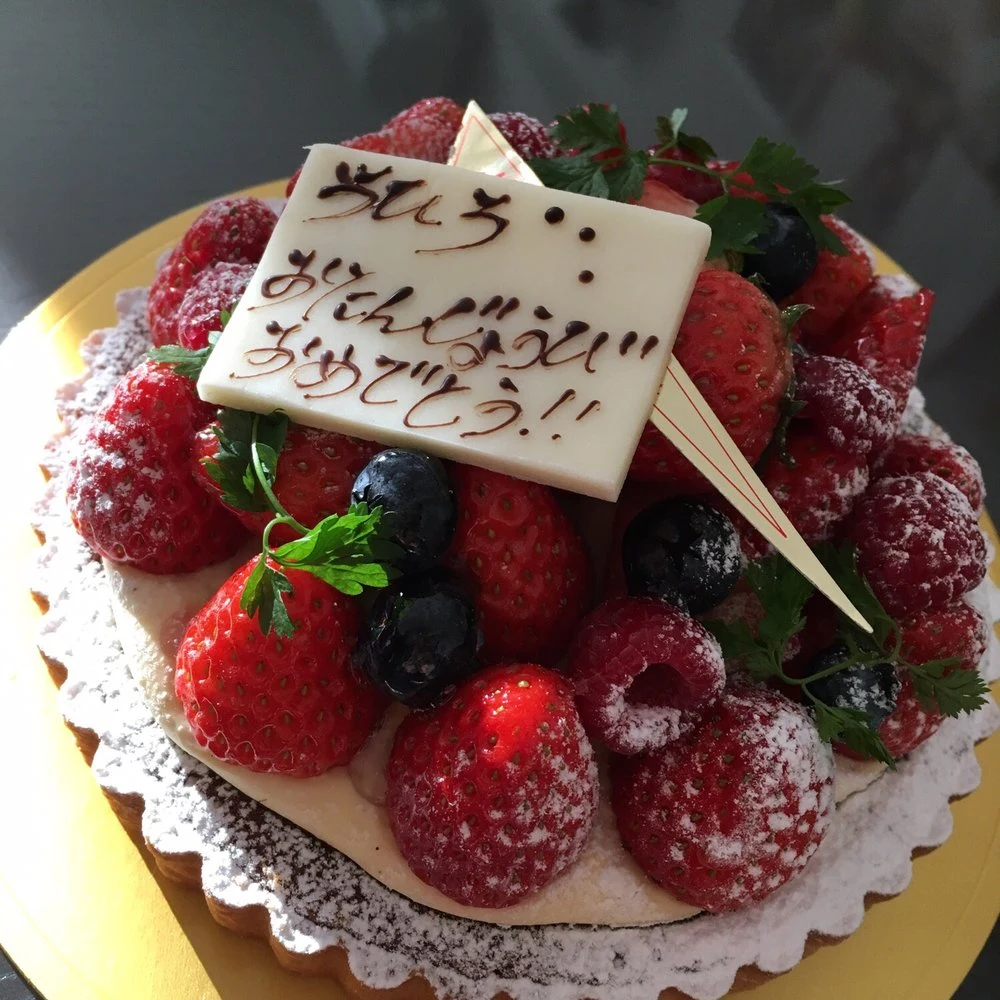
Whole cakes set the shape of PÂTISSERIE APLANOS, a Saitama City pâtisserie run by owner pâtissier Shinpei Asada. The standard lineup is short and classical, sized for a table rather than a single plate, and the shop is built around returning customers marking ordinary occasions as much as large ones.
Classic cakes set the rhythm
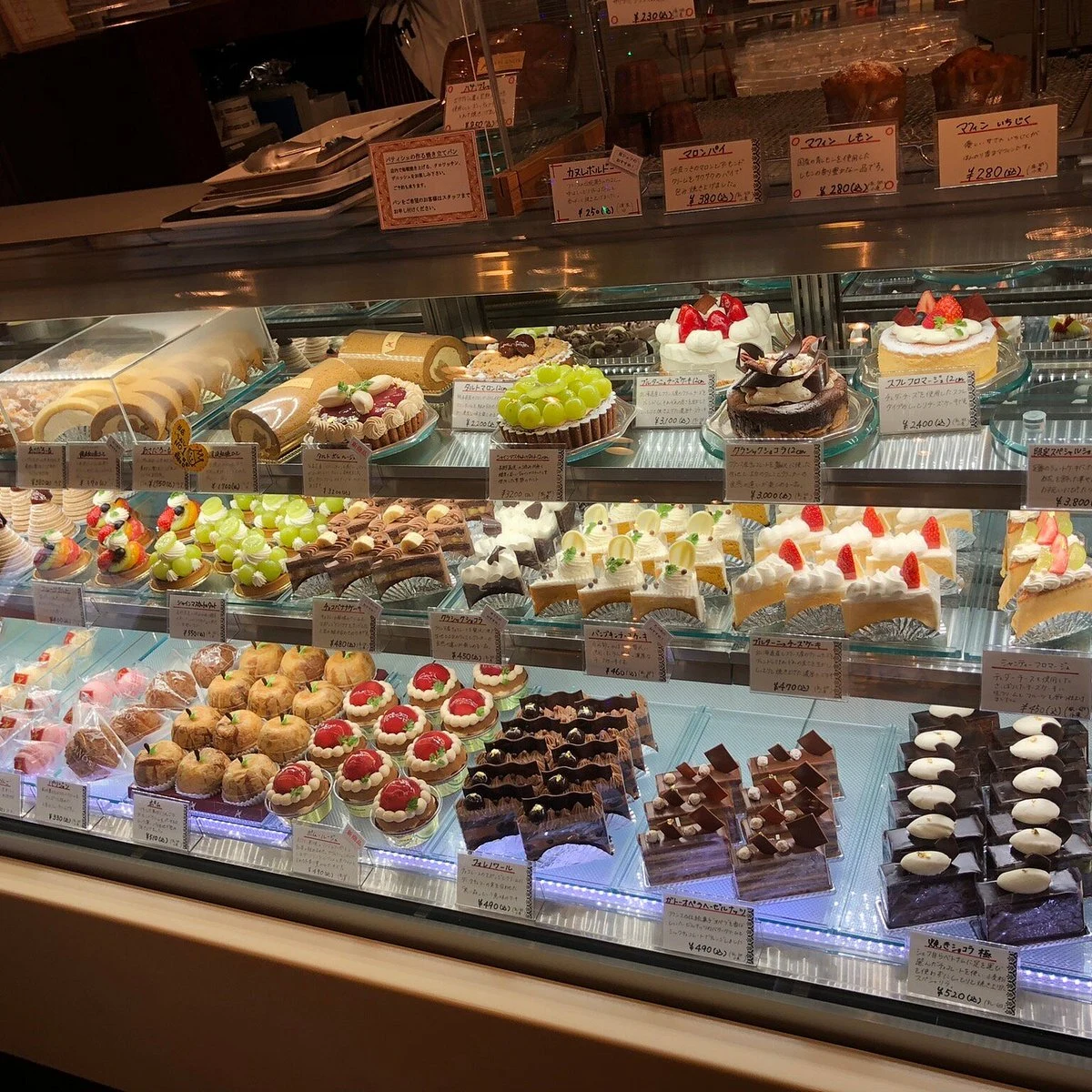
The counter leads with what the shop calls its standard cakes rather than a wide savoury menu or plated desserts. The named signatures are soufflé fromage, strawberry shortcake, chestnut tart, Bretagne cheesecake and classic chocolate cake, which between them cover cheese, fruit, nut and chocolate without straying into novelty.
The sizing tells you as much as the flavours. Most of the range comes in 12, 15 and 18 centimetre rounds, while the chestnut tart runs 12, 16 and 18, so these are cakes for birthdays, family tables and seasonal gatherings. Designs shift with what arrives from suppliers, which keeps the core recipes recognisable while the finish changes through the year.
A neighbourhood pâtisserie with a stated temperament
Asada's motto is 楽しむこと, to enjoy it: confectionery should be enjoyable to make, to give and to eat, and he holds that the maker's feelings show up in the finished sweet. He wants the shop and the kitchen full of smiles and the cakes to seem to smile back, which is a working philosophy rather than a decorating scheme.
In practice that produces a cheerful, approachable, craft-led room. Good ingredients matter, but they are treated as the starting point rather than the whole argument. The result is a local pâtisserie people return to for the same few cakes, in the rhythm of birthdays, family occasions and the year-end season, when Christmas cakes take over the case.
Start with the shortcake, come back for the chestnut tart
Order the strawberry shortcake first. It is the staple Japanese celebration cake and the most direct reading of the house style, since it lives or dies on sponge texture, cream handling and how the fruit is laid out. Soufflé fromage points in a lighter cheese direction, and the Bretagne cheesecake is the denser counterweight within the same broad category.
The chestnut tart is the richer second visit, shifting the focus onto chestnut and tart structure, and its own 12, 16 and 18 centimetre sizing puts it inside the same celebration-cake architecture as the rest. The classic chocolate cake completes the set. Together those five explain APLANOS better than a longer list would: dependable classics, whole-cake ordering, and a pâtissier who believes the mood of the maker is part of the taste.
Frequently asked questions
What should you order at PÂTISSERIE APLANOS?
The strawberry shortcake gives the clearest read on the house style, since a Japanese celebration shortcake stands or falls on sponge, cream and fruit. Soufflé fromage is the lighter cheese option and the Bretagne cheesecake the denser one, while the chestnut tart and the classic chocolate cake round out the standard lineup.
Does PÂTISSERIE APLANOS sell whole cakes?
Yes, and that is the heart of the business. Most of the standard range comes in 12, 15 and 18 centimetre rounds, with the chestnut tart in 12, 16 and 18, so the shop is set up for birthdays, family tables and the year-end Christmas cake season rather than single slices alone.
Compare nearby places
| Venue | Type | Area |
|---|---|---|
| Patisserie Rotantikku | Bakery | Minami Urawa |
| Kuneru Bakery | Bakery | Urawa |
| Asaka Bakery Asakadai ten | Bakery | Kita Asaka |
| Boulangerie Arbre | Bakery | Negishidai |
| Asaka Bakery Honmachi ten | Bakery | Honmachi |