Kita Asaka

Asaka Bakery Asakadai ten

BakeryAbout $7 a head
Asaka Bakery Asakadai ten

Why go

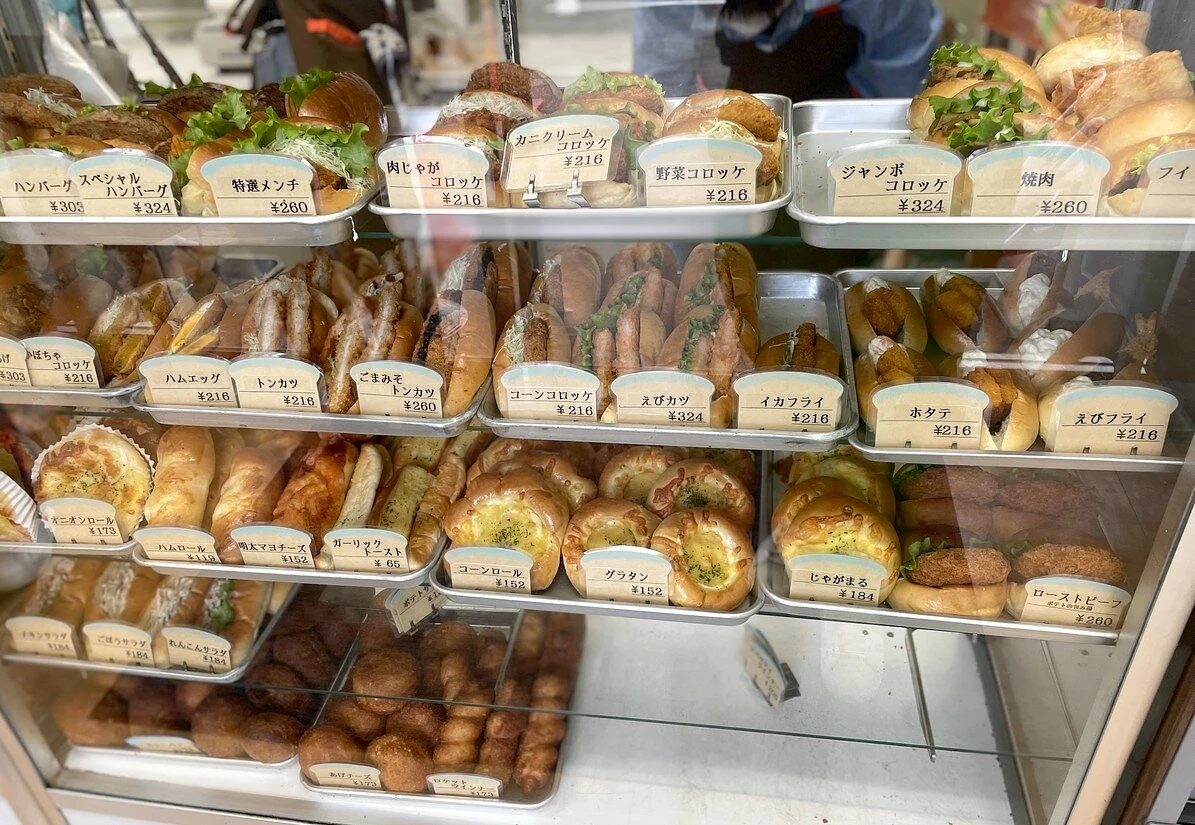
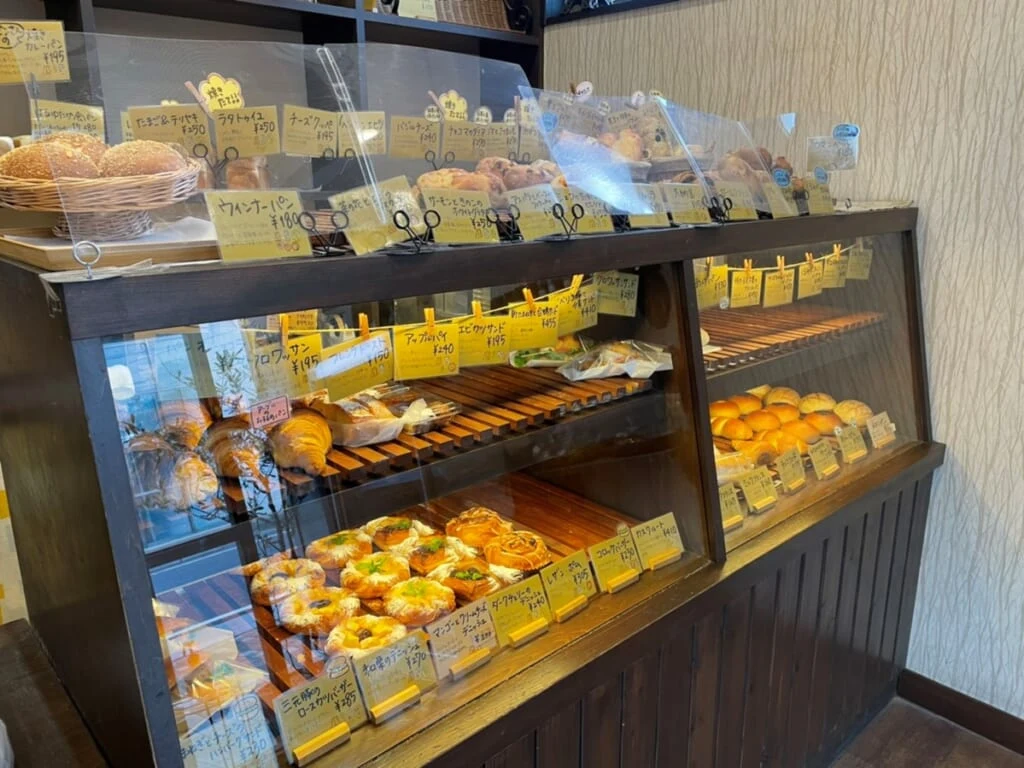
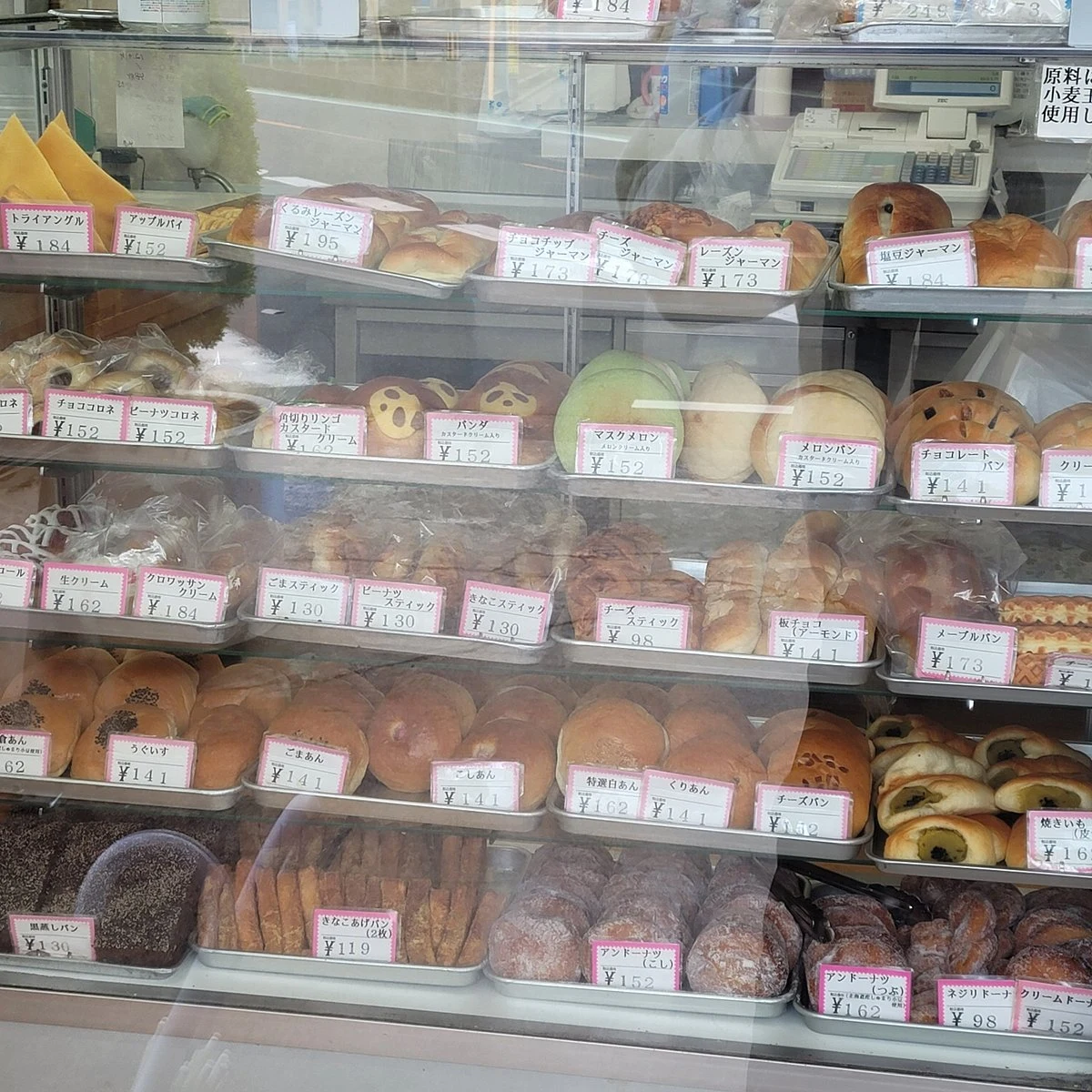
Approaching a suburban Japanese bakery in the morning is a different ritual from sitting down to a long lunch. The transaction is quicker, the standards are less forgiving, and the question is blunt: what has just come out of the oven, and what will survive the walk home? In Asaka, where commuter lines and residential blocks shape the eating rhythm, bread is not a luxury category. It is breakfast, school-run fuel, lunch filler, and an after-work stop folded into the day.

That is why Asaka Bakery Asakadai ten matters beyond its small footprint. The shop works in the bread-and-sandwich lane, a category where Japanese baking has developed its own grammar: soft-crumb loaves, filled rolls, sweet buns, and savoury breads designed for frequent repeat buying rather than formal dining. The Tabelog Bread EAST “Tabelog 100” selections in 2020 and 2022 give the address a credential that is useful precisely because the format is modest. Recognition in this category tends to reward consistency across ordinary products, not theatre.

Station-area bread culture, judged by timing rather than ceremony

Japan’s serious bakery scene often hides in plain sight. The country’s strongest bread shops are not always destination dining rooms; many operate as compact counters where production rhythm is the experience. The key variable is timing. Bread changes character across the day, and shops with set bake times train regulars to arrive around specific batches rather than browse at random. Here, the note that mixed breads have a set baking time is not a minor operational detail. It is the central planning logic.

That timing also explains why a takeaway-only bakery can carry more editorial weight than a larger café. Without seats, wine lists, or service choreography, the bread has fewer places to hide. The ingredients have to do the work: flour structure, fat, dairy, fillings, fermentation, and bake management. In Japan, where shokupan and filled breads sit alongside European-influenced viennoiserie and sandwiches, the serious local bakery is judged by repetition. A regular loaf bought twice a week is a harsher test than a single special-occasion pastry.

Asaka’s casual dining economy reinforces that point. In the local comparison set, Udon Dokoro Ohana and PATISSERIE ORANGE sit in the same low-spend bracket, while Chuka Soba Genroku moves into a higher everyday ramen range. Those differences matter for travellers reading Asaka as a food stop rather than a headline city. The bakery lane offers a lighter, earlier, more portable version of local eating, and Asaka Bakery Asakadai ten is one of the addresses where that category has been formally noticed.

Ingredient discipline without the restaurant performance

The ingredient story in a bakery is rarely about rarity. It is about whether staple components are handled with enough discipline to justify daily use. Bread asks repeat questions: does the crumb hold, does the filling overwhelm the dough, does sweetness flatten the grain, does the sandwich structure survive takeout? These are not glamorous metrics, but they are the ones that separate a serious neighbourhood bakery from a convenience purchase.

The bread-and-sandwich category also reveals how Japanese bakers absorb outside forms without copying them wholesale. European technique matters, but the local preference for softness, portability, and individually portioned breads changes the final logic. A bakery in Asaka is not competing with a Paris boulangerie on crust alone. It is competing with the station kiosk, the supermarket bakery shelf, the school lunch run, the office snack, and the family table. Recognition on a regional bread list signals that the shop has cleared that everyday competition with unusual consistency.

For travellers, the practical reading is simple: treat this as a timing-sensitive bakery stop, not a sit-down meal. The stronger move is to plan around the day’s bread cycle and pair it with a wider Asaka crawl. Nearby editorial context helps: Asaka Bakery Honmachi ten gives another branch reference for the same local bakery name, Boulangerie Arbre broadens the bread map, and asakanakicchinruburu points toward a different casual-dining register. For ramen contrast, Chuka Soba Zuizan and Chuka Soba Genroku show how Asaka’s low- to mid-spend food culture shifts once noodles replace bread.

How to place it in an Asaka day

Asaka is not a city that needs to be over-scripted. Its food appeal is cumulative: bakeries, noodle shops, family-friendly counters, and small speciality addresses rather than a single grand dining room. A takeaway bakery fits that pattern neatly. It works before a train ride, between errands, or as the first stop before moving into a heavier lunch. The absence of a dining room is part of the point; the purchase belongs to the street, the platform, or the kitchen table.

The broader Asaka edit is useful for travellers building a day rather than chasing one address. Start with our full Asaka restaurants guide for the dining map, then use our full Asaka hotels guide, our full Asaka bars guide, our full Asaka wineries guide, and our full Asaka experiences guide to understand how thin or concentrated each category is. For a wider Japan and international eating file, the same editorial rail connects to -Grilled beef Sukiyaki- KAMAKURA TANUKIAN 鎌倉 たぬき庵 in Kamakura,. 鮪と炭火焼き うお炭 秋葉原店 in Tokyo,.cafe in Osaka,.know in Kumamoto, (Shoku) Vietnam in Kawasaki, [Curry Senmon Ten] Maruyama Kyoju. in Sapporo, Jōdo Saké Bar in Los Angeles, and Onigiri Time in Pasadena.

The editorial verdict is restrained but clear. This is a bakery for readers who understand that sourcing and technique do not always announce themselves through luxury cues. In a low-price, takeaway format, the evidence sits in repetition, timing, and regional recognition. Asaka Bakery Asakadai ten is strongest as an early, practical food stop that shows how seriously suburban Japan can take the daily loaf.

Tags

QuietCozyHidden GemSoloFamilyCasual HangoutStandalone