Why go
A French counter in Saitama
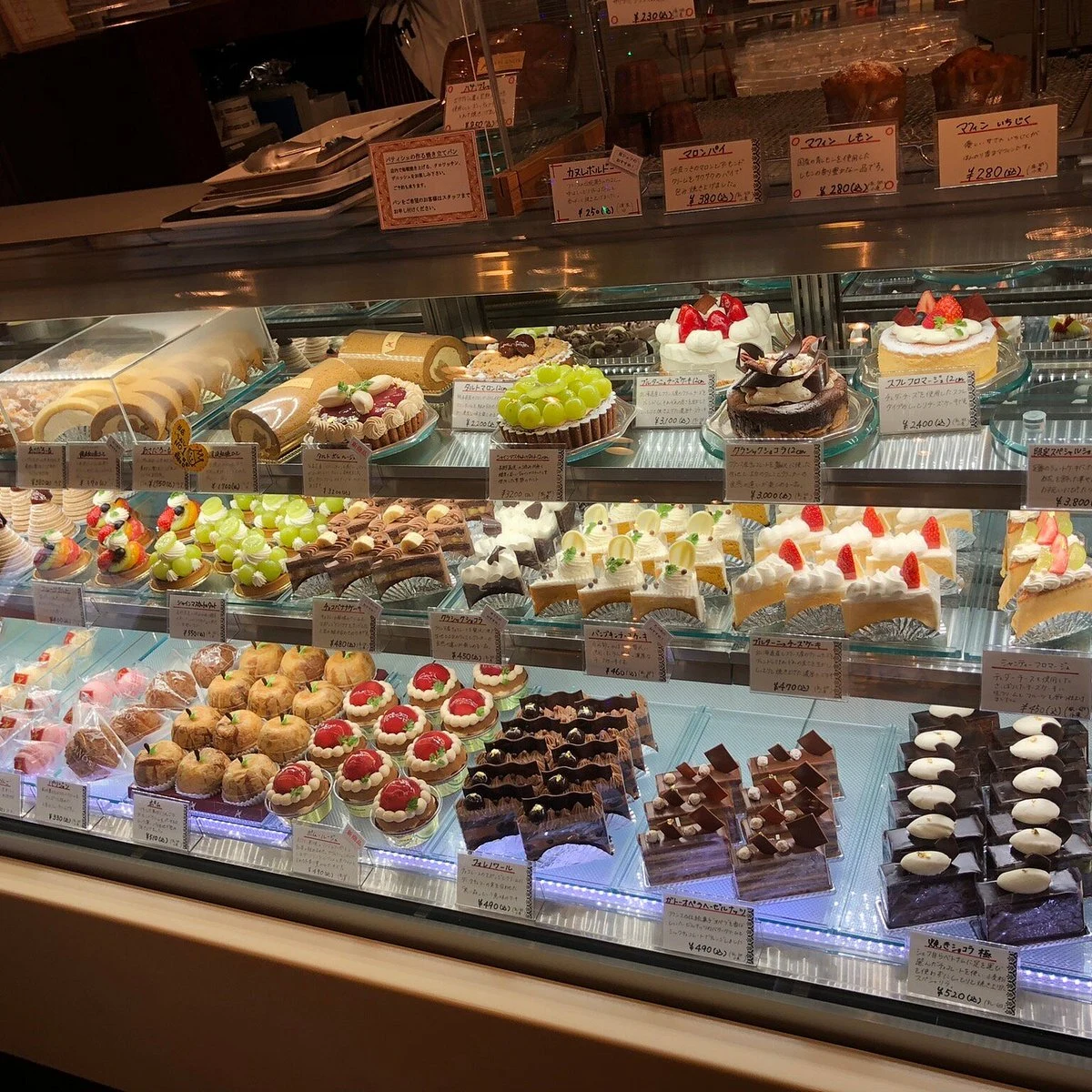
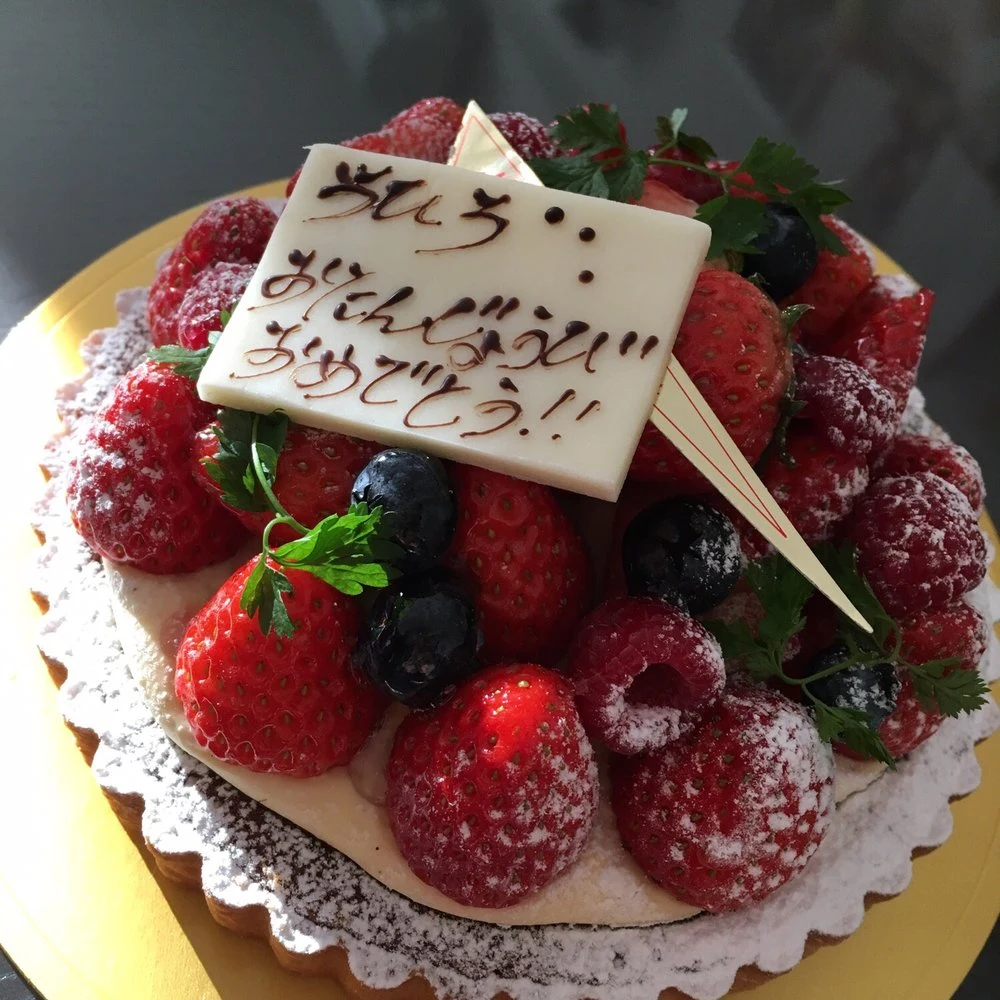
Petits gâteaux set the register here: individually finished French cakes in a glass case, made to be chosen one at a time. The shop works in classical French confectionery rather than in a Japanese-French hybrid, with whole cakes for occasions, petits gâteaux for ordinary days, baked sweets for keeping, and chocolate rounding out the range.
Patisserie Rotantikku reached the Tabelog 100 list in 2023 at number 78. Service is over the counter and the visit is short, with no dining room attached to it.
A neighbourhood shop, not a salon
The room is a retail patisserie and behaves like one. The rhythm is choosing rather than sitting: look along the case, pick a few pieces, have them boxed and carry them out.
That format shapes what the shop is good for. A whole cake belongs to something planned, a birthday or a visit, and is worth thinking through in advance. The petits gâteaux are the everyday measure of the place and the fastest way to read the pastry chef's hand. Baked sweets and chocolate cover the rest, for keeping at home or carrying as a gift, and they are the part of the case that survives a long journey.
Nothing in the format asks for a long visit, which is worth knowing in advance. This is a shop to buy from rather than a salon to sit in, so it works best slotted into an errand rather than built an afternoon around.
Start with a petit gâteau
One petit gâteau tells you most of what you need to know. It shows the classical French training the shop works in, at a scale that does not commit anyone to a whole cake, and it is the category the counter is built around.
From there, add baked sweets if the box is going home or travelling, since they hold better than fresh cream work. Chocolate is the third line and the easiest gift. A whole cake is for the fixed occasion rather than the casual stop, and is worth planning around rather than deciding on at the case. Kept simple, this is a quiet, classical stop rather than an event.
Whichever way the box is built, the case rewards choosing several small things over one large one, because the range is where a classical patisserie shows its hand.
Frequently asked questions
What should I order at Patisserie Rotantikku?
Take a petit gâteau. It is the category the counter is built around, and a single piece shows the classical French technique without committing to a whole cake. Add baked sweets if the box is travelling, since they keep better than fresh cream work, and chocolate if the purchase is meant as a gift.
Has Patisserie Rotantikku been recognised anywhere?
It made the Tabelog 100 list in 2023 at number 78. Beyond that its reputation rests on doing classic French pastry straight: whole cakes for occasions, petits gâteaux as the everyday measure of the kitchen, and a supporting range of baked sweets and chocolate sold over the counter.
Compare nearby places
| Venue | Type | Area |
|---|---|---|
| PÂTISSERIE APLANOS | Bakery | Musashi-Urawa |
| Kuneru Bakery | Bakery | Urawa |
| Boulangerie Arbre | Bakery | Negishidai |
| Asaka Bakery Honmachi ten | Bakery | Honmachi |
| Asaka Bakery Asakadai ten | Bakery | Kita Asaka |