Why go
Bread, café service, and an ashiyu rhythm
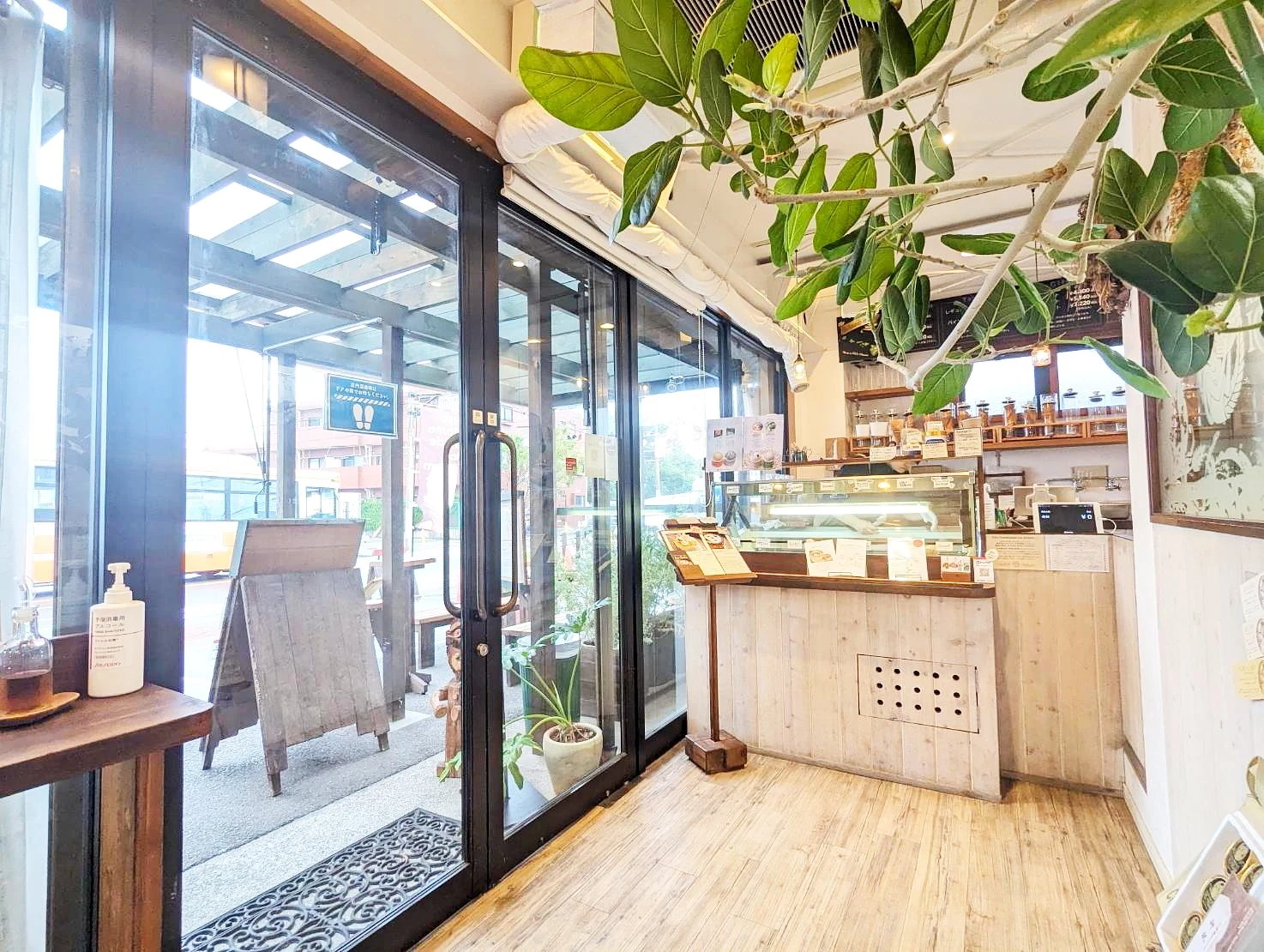
Bakery & Table Tofuya Ashiyu Cafe is identified as a Bakery & Table venue in Izu, Japan, with a concept built around three linked functions: bakery, café, and ashiyu, the Japanese foot-bath format. The name puts the bakery element at the front, while “Ashiyu Cafe” signals that the stop is not only about eating or drinking. It is a place where baked goods, café use, and warm-water relaxation are part of the same visit. That combination places it apart from a conventional bakery counter or a standard café table, because the food-and-drink side is paired with a leisure feature associated with lingering. Its public classification also frames it as a bakery, café, foot bath, takeout restaurant, and snack bar, which explains the breadth of the experience without turning it into a formal restaurant.
The counter is for a slower stop
The practical appeal is the hybrid rhythm: arrive for the bakery and café side, then let the ashiyu element stretch the visit beyond a quick purchase. The venue’s identity supports both convenience and pause, since it is described through bakery, café, takeout, snack, and foot-bath functions rather than a single dining format. That makes the guest journey feel closer to a leisure stop in Izu than to a chef-led meal with courses and a fixed sequence. Bread and café service provide the food-and-drink anchor, while the foot bath gives the visit its distinctive hospitality shape. The likely audience is made up of casual visitors, day-trippers, and leisure travelers looking for a restorative break, because the concept combines something to eat with a sensory, destination-style feature. The experience is therefore best understood as self-contained refreshment: bakery goods and café use alongside an ashiyu setting meant for comfort and lingering.
Order the beef stew set first
Approach the order with the bakery identity in mind. The venue is officially presented as Bakery & Table Tofuya Ashiyu Cafe, so bread and baked goods are central to how the place defines itself, even though the available source material does not provide a detailed item list. The useful move is to treat the café side and the ashiyu side as one visit rather than separate errands: choose from the bakery-café offering, use the stop for a light snack or takeout-style refreshment, and leave time for the foot-bath component to matter. Its classification as a snack bar as well as a bakery and café suggests a casual format rather than a long, formal meal. The strongest reason to go is the format itself: in Izu, it combines bakery, café, takeout, snack service, and ashiyu into a single relaxed stop.
Frequently asked questions
What is Bakery & Table Tofuya Ashiyu Cafe known for?
Bakery & Table Tofuya Ashiyu Cafe is known as a Japanese bakery café in Izu, with bread, bakery lunches, and a tender beef stew set among its signature items.
Compare nearby places
| Venue | Type | Area |
|---|---|---|
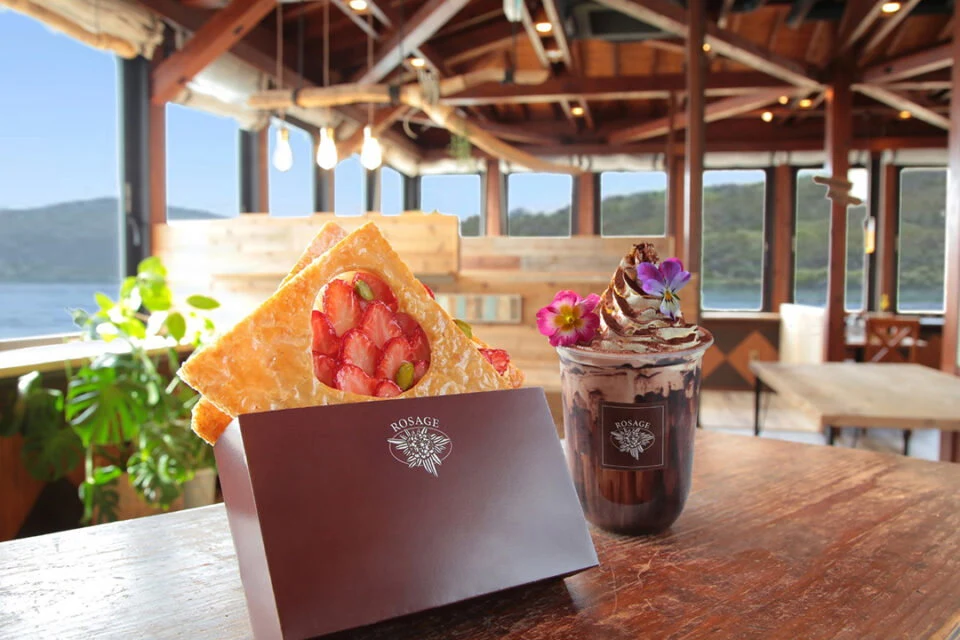
| Salon de the ROSAGE | Café | Lake Ashi / Motohakone |
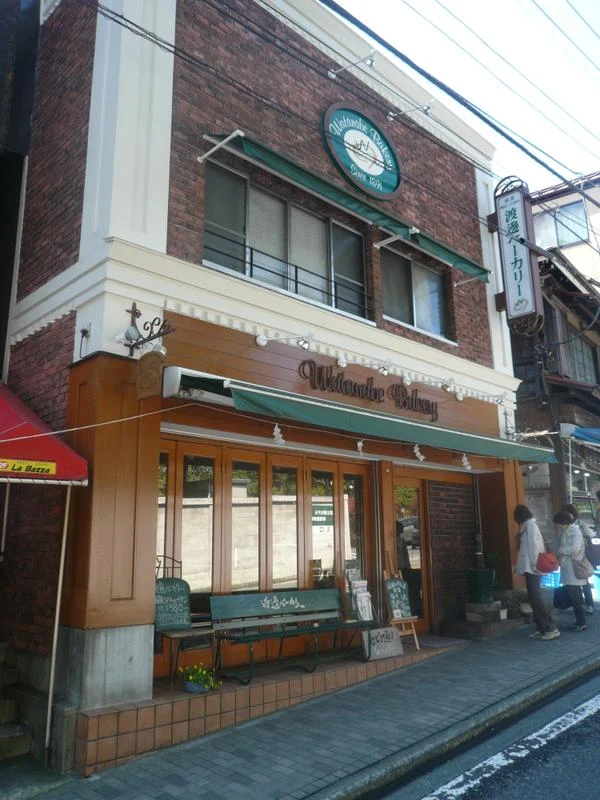
| Watanabe Bakery | Bakery | Miyanoshita |
| Hilo Homemade Ice Cream | Café | Kugenumakaigan |
| Cafe Suzuki | Café | Hon Atsugi |
| ASINA BAKERY ASIBE | Bakery | Ashina, Yokosuka |