Why go
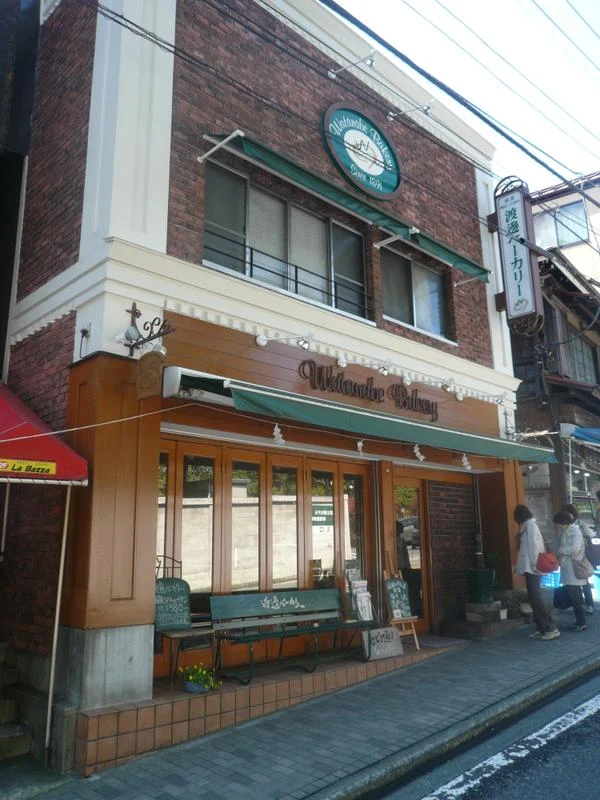
Order the 温泉シチューパン and it goes into the oven after the request is placed, which is why the eat-in room smells of hot bread and stew in the middle of the afternoon. Watanabe Bakery, 渡邊ベーカリー, has been baking in Ashigarashimo-Gun since 1891, and the house treats that stew bread as its number one item and a Hakone specialty.
Breads named after the mountain and the hot springs
The lineup reads like a map of the area. ワタナベのパン〈箱根山ブレッド〉 anchors the bread side, 箱根山あんぱん carries the same Hakone mountain name into a sweet filled bun, and 温泉シチューパン and 温泉村ドーナツ borrow the language of the hot-spring village. 梅干あんぱん adds a sharper Japanese accent with umeboshi, and セピア通りパン takes its name from the same local geography.
Seasonal bakes rotate around that core rather than replacing it. Recent limited anpan have been filled with ずんだあん and 夏みかんあん, and ミックスベリー『あじさいぱん』 is named for the hydrangea. The result is a counter that stays recognizable year to year while still giving regulars a reason to look at the shelf twice.
A Meiji-era shop with an eat-in room
Watanabe is not only a takeaway bread shop. An イートインスペース sits alongside the counter, and it is the reason the stew bread works: baked to order, carried out hot, eaten with a coffee a few steps from the oven rather than unwrapped later in a hotel room. The room is old-school and unhurried, closer to a neighbourhood bread shop than a modern cafe.
The 1891 founding, Meiji 24, is part of the shop's own name and signage, and in a hot-spring town built on repeat visits that longevity does real work. Residents and travellers use the place for the same things: a bag of bread for the walk, or a seat and something hot.
What to order first
Start with the Onsen Stew Bread. It is the item the bakery puts first, the one with a service detail attached, and the clearest answer to what separates Watanabe from a standard bread shop. Allow it its finishing time; the wait is the point.
After that, build outward: Hakoneyama Bread for the plain-bread side, Hakoneyama anpan and umeboshi anpan for the sweet filled buns, an onsen-mura donut to eat on the move. If a seasonal anpan is on the shelf, take it, because those flavours do not come back around quickly.
Frequently asked questions
What should I order at Watanabe Bakery?
Order the Onsen Stew Bread, 温泉シチューパン, first. It is the bakery's number one item, baked after the order is placed and carried out hot, so it needs a few minutes. After that, work through the house names: Hakoneyama Bread, Hakoneyama anpan, umeboshi anpan and the onsen-mura donut.
Is there anywhere to sit at Watanabe Bakery?
Yes, there is an eat-in space beside the bakery counter. It matters more here than at most bread shops, because the stew bread is baked to order and served hot, so eating it on site is the intended version. The room is old-school and unhurried, suited to bread and coffee rather than a full meal.
Compare nearby places
| Venue | Type | Area |
|---|---|---|
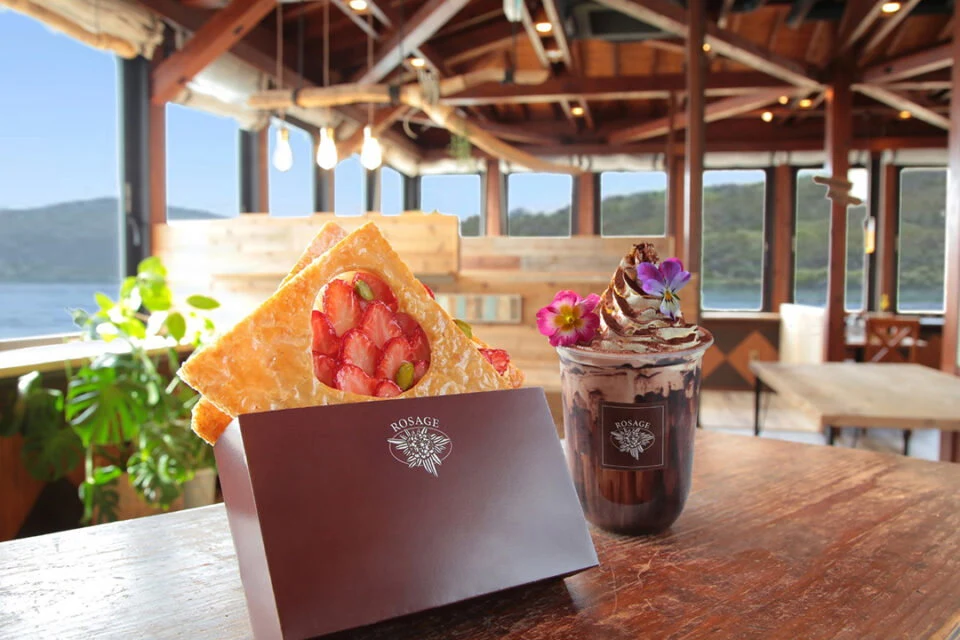
| Salon de the ROSAGE | Café | Lake Ashi / Motohakone |
| Cafe Suzuki | Café | Hon Atsugi |
| Hilo Homemade Ice Cream | Café | Kugenumakaigan |
| Hattori Bokujou Ice cream Kobo Kasaringa | Café | Aikawa |
| Bakery & Table Tofuya Ashiyu Cafe | Bakery | Yoshina Onsen |