Why go
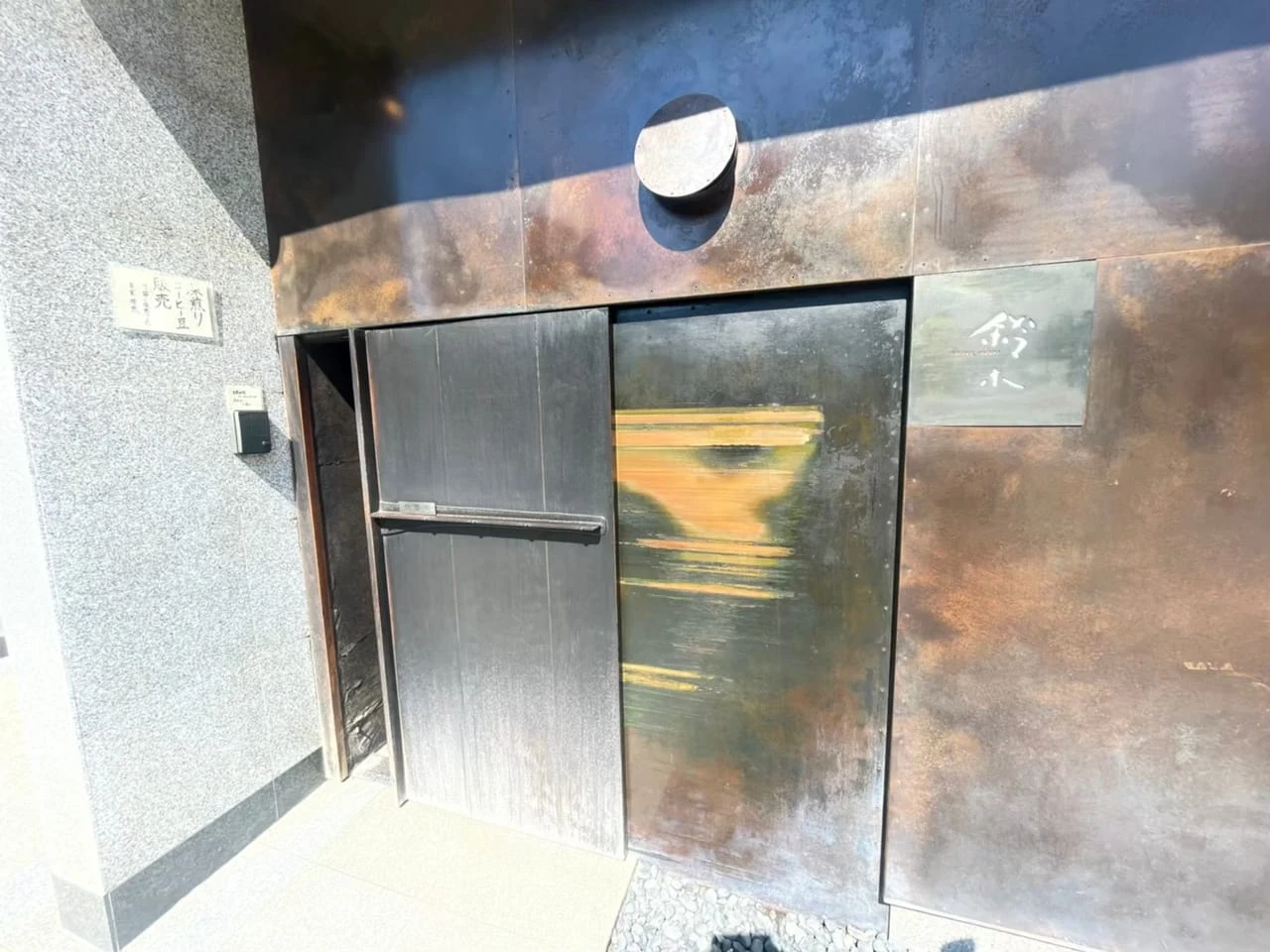
Approaching the first floor of the Rock Hills building near Hon-Atsugi, the pace changes from station-front movement to the quieter code of a Japanese kissaten. The format matters: counter seating, no private rooms, no smoking, and a room shaped for solo time rather than group spectacle. In a city where many food itineraries are built around ramen bowls, grilled beef, and commuter-friendly meals, Cafe Suzuki represents a different Atsugi habit, the afternoon-to-late-night coffee shop as a place for pause, reading, conversation, and measured service.
The stronger way to read this address is through the kissaten tradition rather than through the language of contemporary café culture. Japan’s older coffee shops tend to treat sourcing, brewing, room design, and guest rhythm as connected decisions. Beans, extraction, glassware, counter height, lighting, and sound all work toward a slower exchange than takeaway coffee allows. Cafe Suzuki’s recognition in Tabelog 100 Kissaten in 2021 and 2022 places it inside that national conversation, where the subject is not novelty but consistency within a mature form.
A counter-only kissaten in a city better known for quick, savory stops
Atsugi’s dining map is practical before it is performative. The local circuit includes ramen counters such as Atsugi Honmaru Tei, Chuka Soba Menya Shokudo Honten, and Ramen Atsugiya, plus higher-spend beef dining at Yakiniku Waganse. Against that backdrop, a kissaten works as a useful corrective. It is not competing for the same appetite as a noodle shop or yakiniku room; it answers the part of the day when coffee, quiet, and a seat at the counter are the point.
That distinction is also economic. Cafe Suzuki sits in the JPY 1,000 to JPY 1,999 band, while Yakiniku Waganse moves into a much higher dinner tier and the city’s ramen addresses often sit below or around the same everyday bracket. The comparison is not about value in the crude sense. It shows how Atsugi supports several forms of precision: broth shops built on turnover, beef rooms built on ingredient spend, and a small coffee shop where the discipline is in the room’s pace and the handling of a narrower offer.
The ingredient-sourcing angle in a kissaten is quieter than in a farm-to-table restaurant, but it is no less central. Coffee shops of this type usually build identity through bean selection, roast preference, brewing method, and how those choices hold across repeat visits. The available public details do not name specific beans or producers, so the meaningful claim is structural: this is a category where sourcing shows through restraint, not announcement. Tabelog’s Kissaten list rewards places that diners recognize for depth within that coffee-shop form, and Cafe Suzuki’s two-year selection is the trust signal here.
Design, sourcing discipline, and the older grammar of Japanese cafés
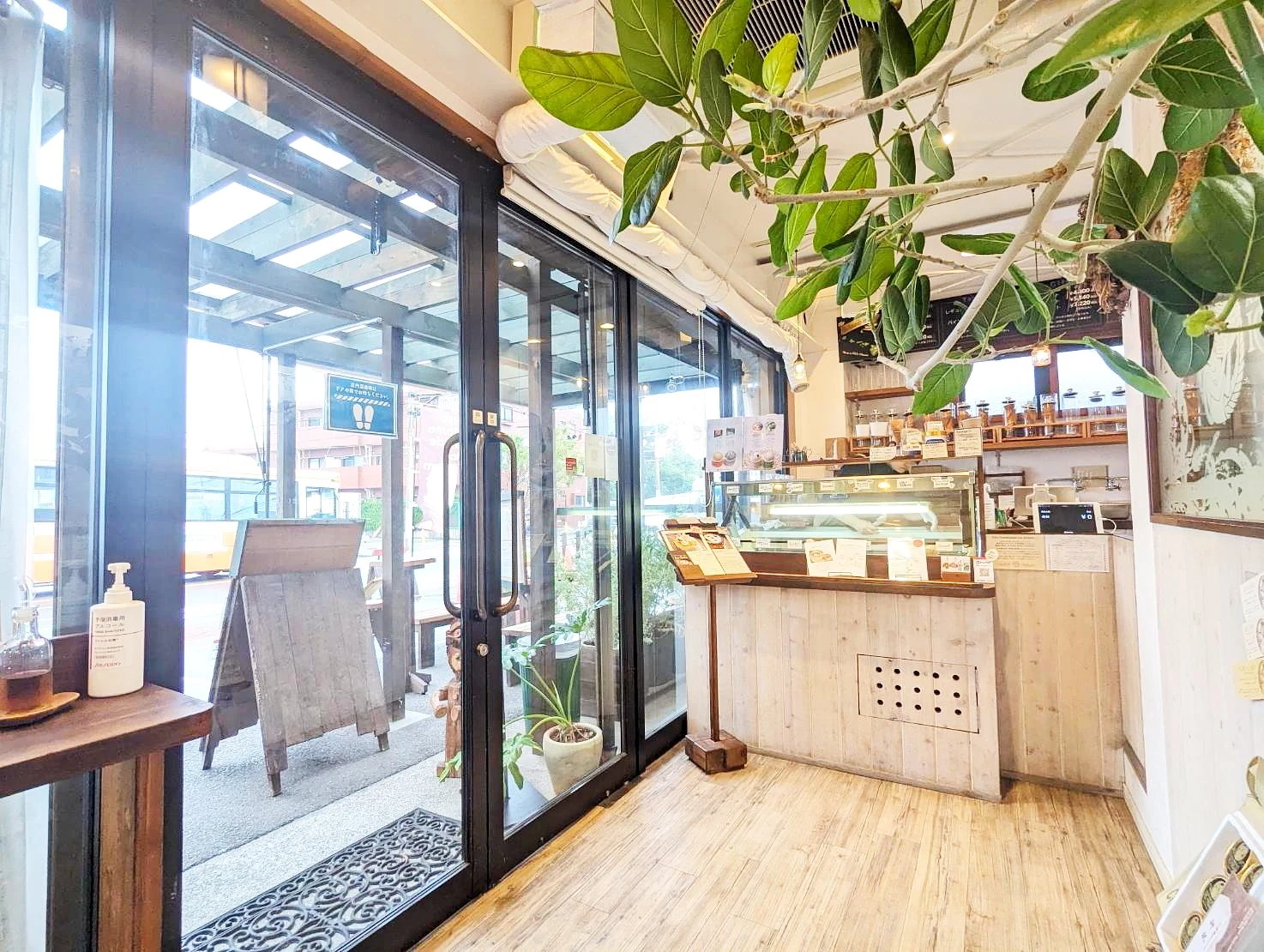
The room carries another piece of context: it was designed by Yukio Hashimoto. That detail matters because kissaten culture is as much about spatial behavior as it is about food and drink. A counter-only configuration limits the social volume of the room and changes how guests use it. It favors solitary visits, short exchanges, and direct attention to preparation. The result is closer to a listening bar or sushi counter in social architecture than to a large café designed for laptops and table turnover.
In Japan, the kissaten tradition developed separately from the global espresso-bar template. The stronger examples often feel edited rather than expansive: fewer seats, more control, less tolerance for disorder. Cafe Suzuki’s 18-seat counter format fits that grammar. The absence of private rooms and private use also keeps the room from becoming an events space. It remains, in form, a coffee shop for individual guests and small parties, not a flexible venue trying to serve every occasion.
That specificity is useful for travelers using Atsugi as more than a transit stop. A food day here can move from ramen to coffee to late dinner without importing a Tokyo rhythm onto the city. For a broader read on the area, Our full Atsugi restaurants guide maps the dining side, while Our full Atsugi hotels guide, Our full Atsugi bars guide, Our full Atsugi wineries guide, and Our full Atsugi experiences guide help place the city in a wider travel plan.
How to place it within a Japan food itinerary
Cafe Suzuki is strongest as a counterpoint, not as a replacement for a meal-driven booking. Pair it with ramen if the day is built around casual eating, or use it after a heavier lunch when a full second restaurant would blur the afternoon. Nearby and regional choices point in different directions: ZUND-BAR gives another view of the Kanagawa ramen conversation, while (Shoku) Vietnam in Kawasaki shows how neighboring cities fold non-Japanese cooking into everyday dining.
For travelers extending the route beyond Atsugi, the comparison becomes more about format than cuisine. -Grilled beef Sukiyaki- KAMAKURA TANUKIAN 鎌倉 たぬき庵 in Kamakura sits in a different register of beef-focused dining;. 鮪と炭火焼き うお炭 秋葉原店 in Tokyo reads through tuna and charcoal;.cafe in Osaka and.know in Kumamoto broaden the café lens outside Kanagawa. Further afield, [Curry Senmon Ten] Maruyama Kyoju. in Sapporo, Jōdo Saké Bar in Los Angeles, and Onigiri Time in Pasadena show how tightly defined formats can carry as much editorial interest as grand dining rooms.
The practical read is simple: this is a small, counter-only, cash-oriented kissaten with reservations listed as available, closed on Tuesday, and operating from afternoon into late night on other listed days. It suits solo guests especially well and works for travelers who understand that Japanese coffee culture is not a side note to dining, but a parallel craft with its own standards. In Atsugi, that makes Cafe Suzuki a serious stop for anyone tracking where ingredient care, room discipline, and local routine meet.