Why go
Black tea, poured the same way since 1974
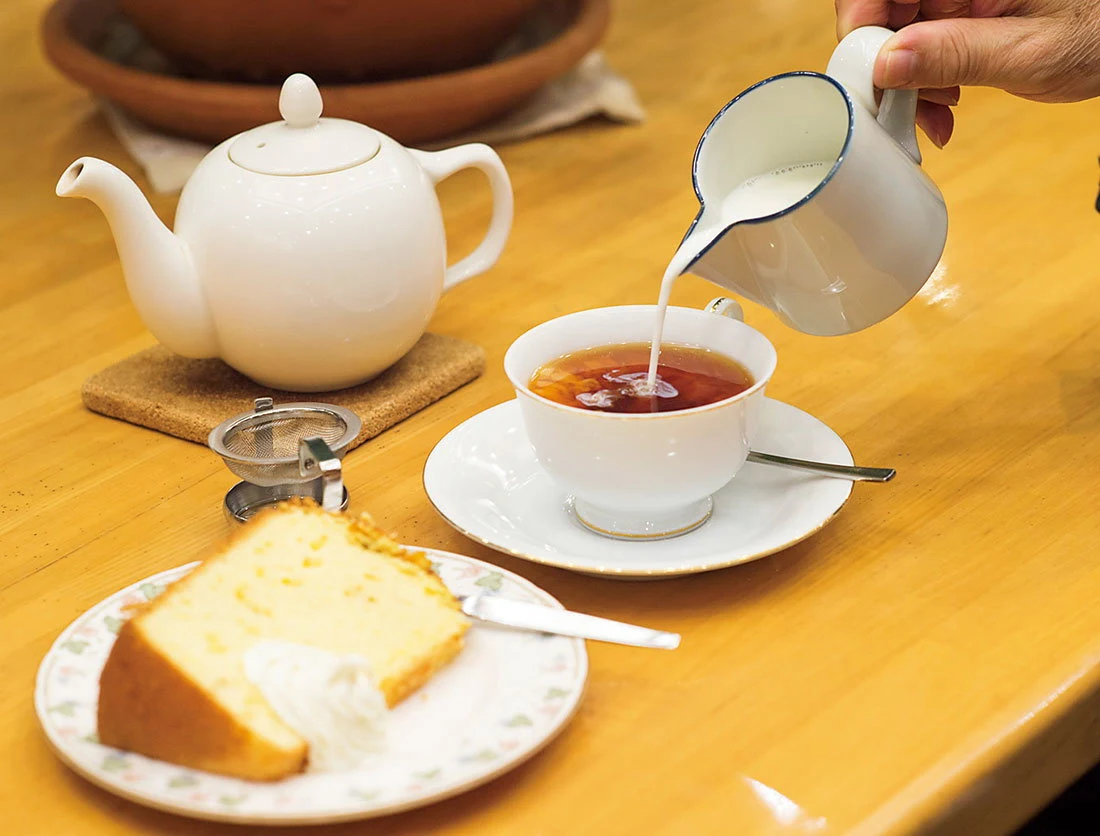
Royal milk tea is the order that explains this Jinbocho tea house, and the room has been pouring it since 1974. TAKANO built its identity on black tea rather than coffee or pastry, and the year matters: it places the house in an older Tokyo lineage, well before the current wave of specialty drinks, so continuity is part of what is being served. Earl Grey sits at the centre of the leaf list, and the house speaks directly to people who drink black tea by choice rather than by default. A place at number 59 on the Tabelog 100 in 2025 is the outside marker, though the tea room's own argument is simpler: one drink, taken seriously, for half a century.
A basement room on Showa time
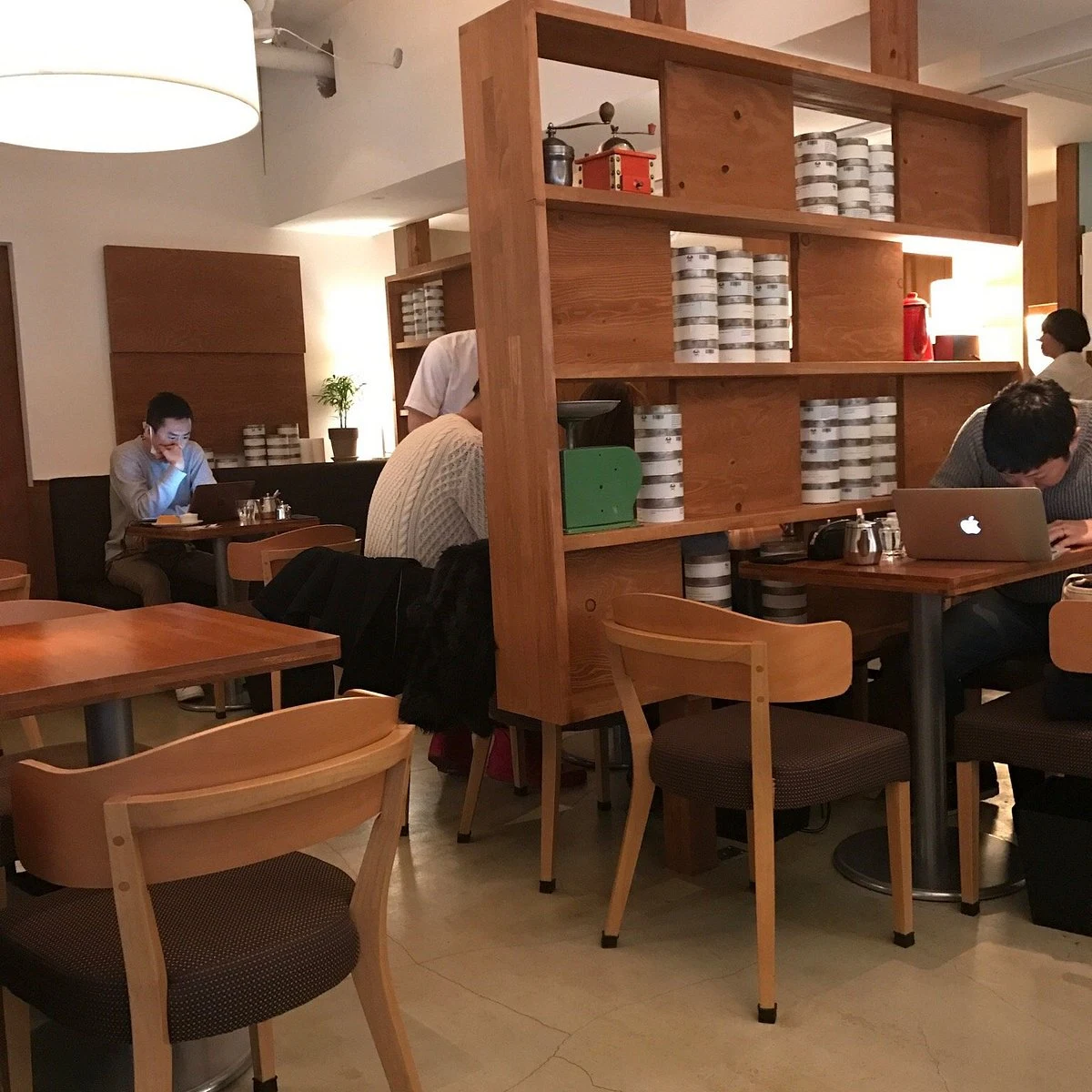
The room is downstairs, below street level in Kanda Jinbocho, the second-hand bookshop district, and it keeps the look of an older Tokyo café: warm low lighting, plain wooden furniture, an unhurried pace. It suits reading, which is convenient given the neighbourhood outside the door. Nothing here is designed for speed. The tea arrives properly made, the room stays quiet, and the point of the visit is sitting with a cup rather than passing through on the way somewhere else. In a city where coffee bars and pastry counters compete for attention, TAKANO stands apart by keeping the focus narrow and letting the format age well rather than chasing the current fashion.
Order royal milk tea, then a scone
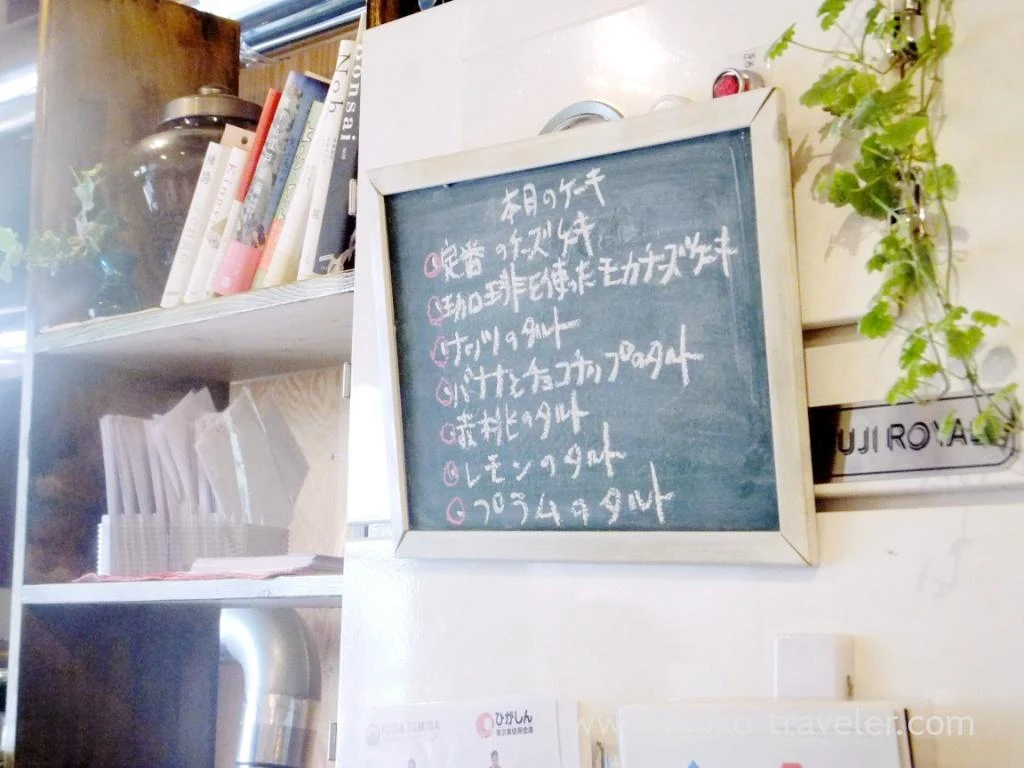
Start with the royal milk tea, the house signature, brewed strong and finished with milk rather than having milk poured over it at the table. Earl Grey is the order for anyone who wants the leaf on its own, and it is the clearest way to judge how the house handles a straight pot. From the kitchen, scones with clotted cream and jam are the classic accompaniment, and they are the reason many tables stay for a second pot. If the visit falls closer to lunch, the grilled cheese sandwich and the club sandwich are the savoury options, both in the old kissaten tradition of simple plates made carefully beside the drink. Let the tea lead and treat everything else as support for it. The kitchen keeps its list short, which is consistent with everything else about the house: one thing, done the same way, for a very long time.
Tags
Frequently asked questions
What should I order at Tea House TAKANO?
Royal milk tea first, the house signature, with Earl Grey the order for anyone who wants the leaf on its own. Scones with clotted cream and jam are the classic accompaniment, and at lunchtime the grilled cheese and club sandwiches are the savoury options beside the pot.
What is the room like?
It is a basement tea room in Kanda Jinbocho, the second-hand bookshop district, with warm low lighting, plain wooden furniture and an unhurried pace that suits reading. The house has poured black tea there since 1974, and a visit is built around sitting with a cup rather than passing through.
Compare nearby places
| Venue | Type | Area |
|---|---|---|
| Coffee Senmon Ten Sanjikken Ginza honten | Café | Ginza |
| Sumida Coffee | Café | Kinshicho |
| Sumibi Yaki Coffee Kura | Café | Ikebukuro |
| CAFE Mame-Hico Sangenjaya honten | Café | Sangenjaya |
| Coffee Sha Kura | Café | Jimbocho |