Why go
A kissaten pace, kept deliberately
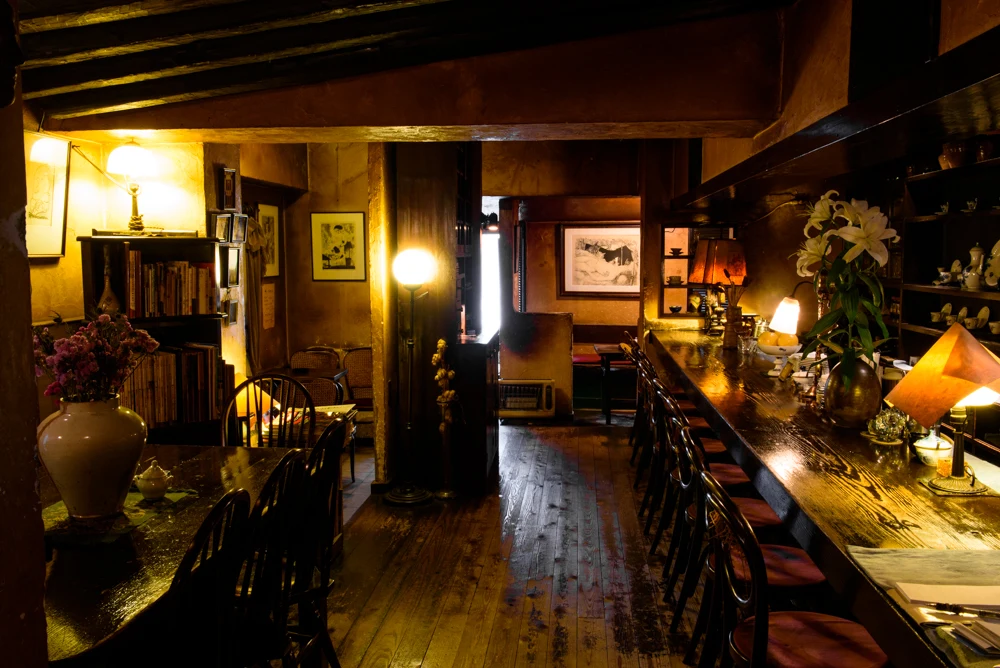
Order coffee and sit. That is the whole proposition at Coffee Sha Kura, a traditional kissaten in Jimbocho where a visit is measured by the time it takes to finish a cup rather than by courses. The room holds twenty-five seats across a counter and tables, small enough that whoever is already inside sets the pace.
Kissaten is a specific word. It describes the Japanese coffee shop that predates the specialty wave: unhurried service, coffee treated as the reason to be there, and no pressure to leave once the cup is empty. That is the register here.
Jimbocho is Tokyo's secondhand book quarter, and the cafe reads as an extension of it. Somewhere to come alone after lunch, on a work break, or with one or two people for a conversation that does not need to be loud.
Counter or table, smoke and all
Smoking is permitted, and that single fact places the room in the older kissaten tradition rather than among Tokyo's smoke-free contemporary cafes. It shapes the air, the upholstery and the kind of regular the place keeps.
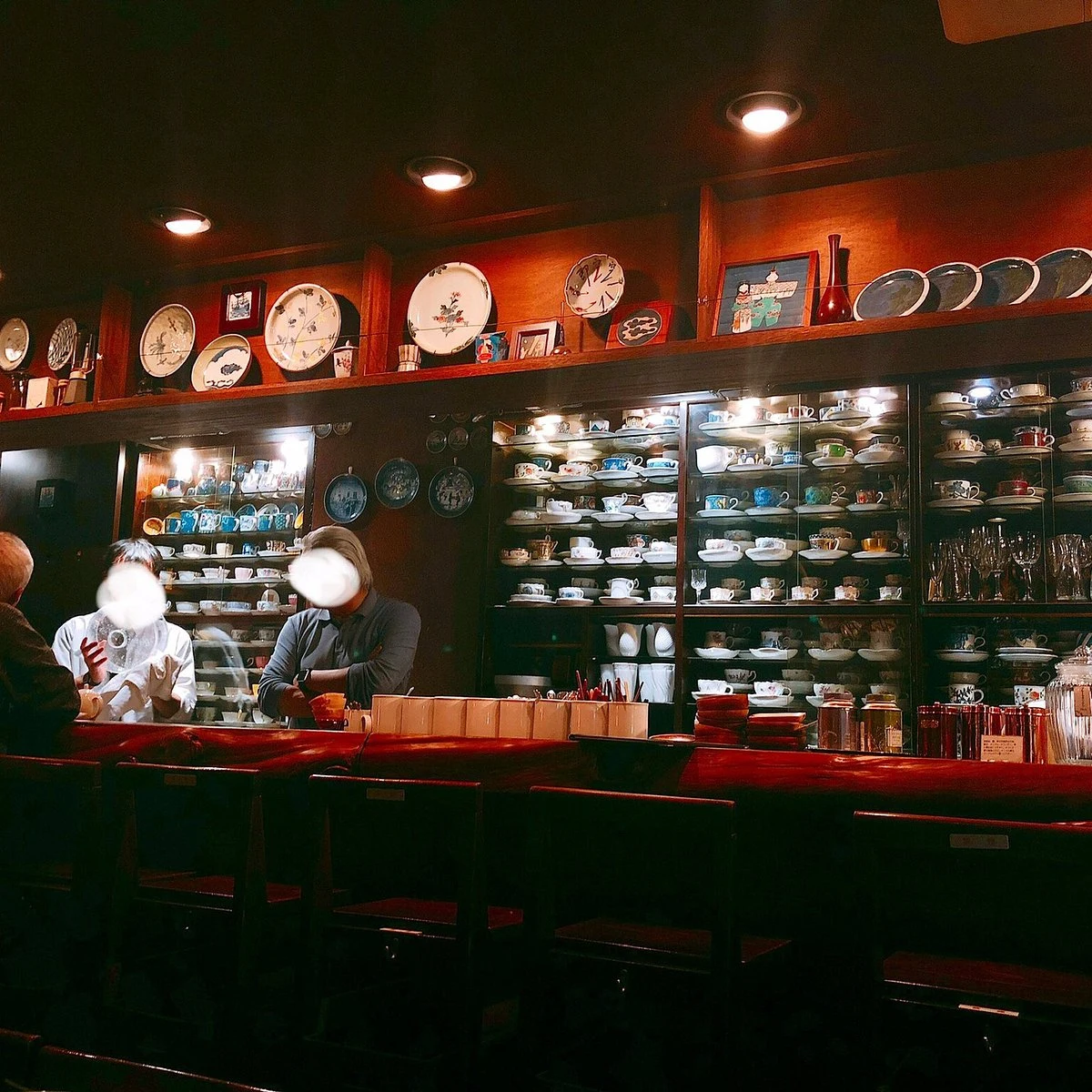
The seating split matters too. The counter suits solo visits, where coffee arrives without ceremony and nobody expects conversation. The tables take pairs and threes. What the room is not built for is a large group, and the rhythm is noticeably arranged around small parties. Jimbocho's kissaten are part of the district's furniture, the rooms students, editors and booksellers have used for decades between the shops, and twenty-five seats are what keep this one in that category.
Coffee first, lunch if you want it
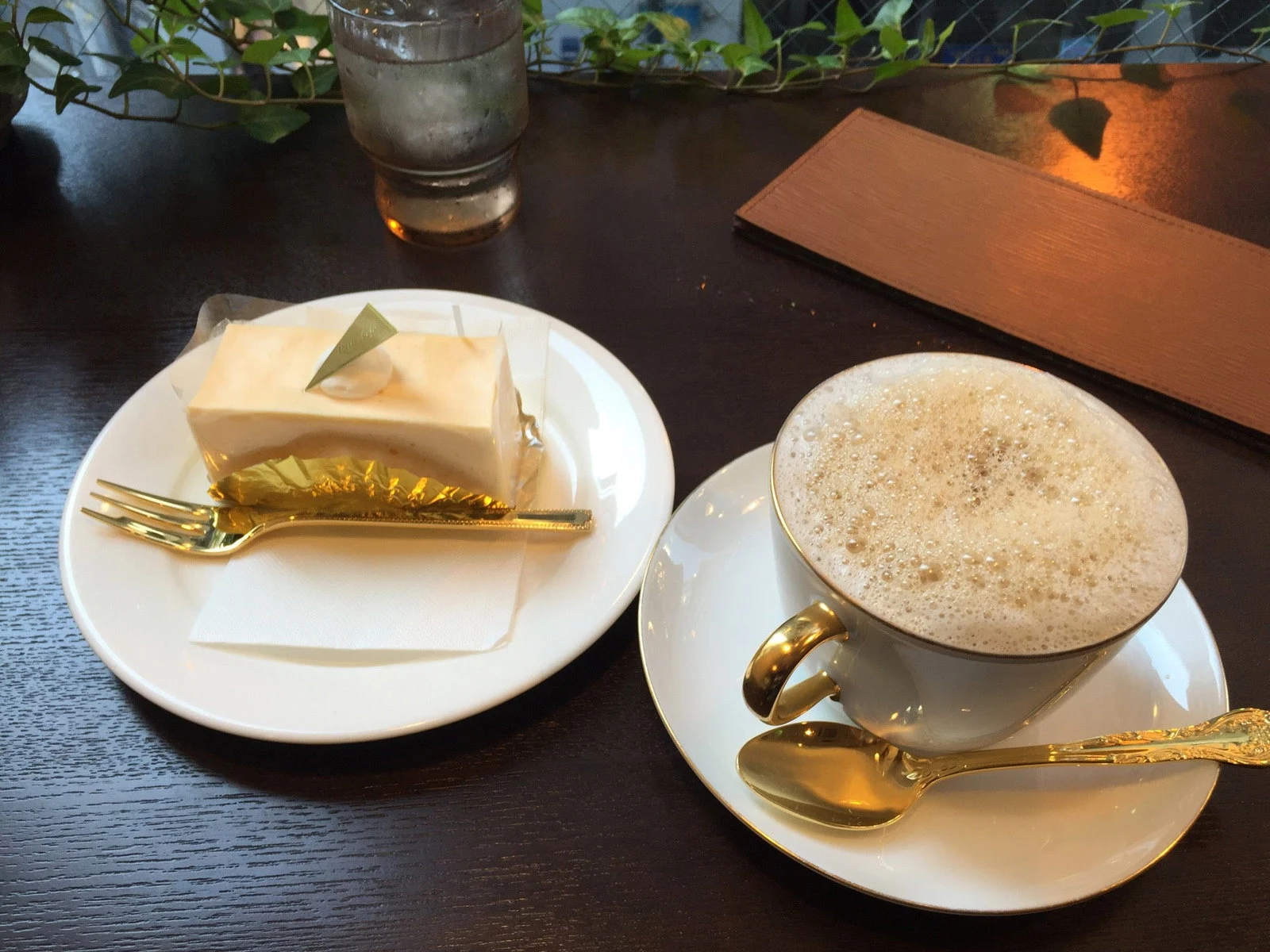
Coffee leads, with a short run of food and a small lunch alongside it. The list is compact by design, the mark of a coffee shop that would rather do a narrow thing repeatedly than run a kitchen with range. Repeat visits are the pattern rather than one-time pilgrimages, which is what a neighborhood kissaten is for.
The house does not name its beans, origins or brewing kit, so arrive without a checklist of roasters to interrogate. Order the coffee, take the counter if it is free, and treat the visit as the sit-down pause it is built to be rather than a stop on the way somewhere else.
Tags
Frequently asked questions
What is Coffee Sha Kura like inside?
It is a classic Tokyo kissaten: twenty-five seats split between a counter and tables, arranged for solo visitors and small parties rather than groups. Smoking is permitted, which places it in the older coffee-shop tradition rather than among the city's newer smoke-free specialty cafes.
What should I order at Coffee Sha Kura?
Order coffee, which is what the room is built around. The rest of the list is short, running to a little food and a small lunch alongside the drinks. The house does not name its beans or its brewing equipment, so this is a place to drink coffee rather than to interrogate it.
Compare nearby places
| Venue | Type | Area |
|---|---|---|
| Café Trois Chambres | Café | Shimokitazawa |
| Coffee Kizoku Edinburgh | Café | Shinjuku |
| Jikabaisen Coffee Bon | Café | Shinjuku |
| Takayama Coffee | Café | Kanda |
| Kayaba Coffee | Café | Yanaka |